Live updates: Iran war ceasefire for 45 days ‘being discussed,’ official says, ahead of Trump’s Hormuz deadline
Tehran and Washington weigh 45-day ceasefire in Hormuz dispute, Trump’s deadline looms, official tells NBC.
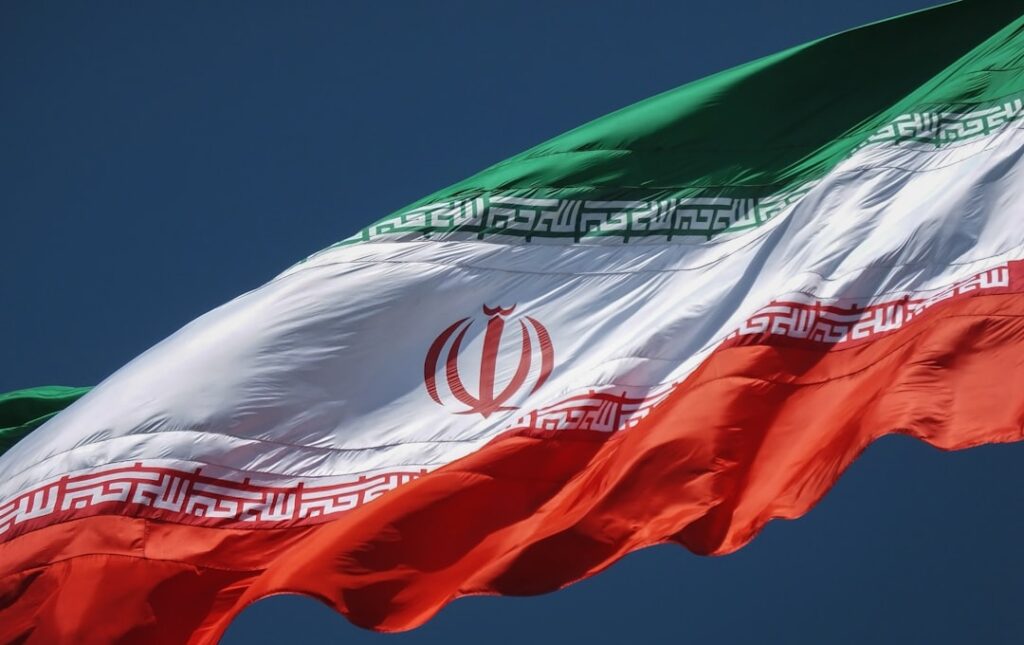
Image: GlobalBeat / 2026
Iran war: 45-day ceasefire proposal emerges as Trump issues Hormuz deadline
Muhammad Asghar | GlobalBeat
A possible 45-day ceasefire between Iran and US-led forces is under active discussion as President Donald Trump’s 10-day deadline for Tehran to halt military operations or face blockade of the Strait of Hormuz approaches expiration.
The temporary truce proposal surfaced through back-channel talks led by Oman and includes provisions for Iranian forces to pull back from strategic oil shipping lanes while negotiations commence on maritime security guarantees, a senior Gulf official involved in the discussions told NBC News.
The initiative represents Washington’s first attempt to de-escalate the 18-day conflict sparked by Iranian missile strikes on Israeli bases on March 18. Iran’s Revolutionary Guards have since attacked three US warships in the Persian Gulf and launched drone swarms across the waterway that carries 20% of global oil supplies.
Iranian Foreign Minister Abbas Araghchi acknowledged “external efforts” to halt fighting during a Wednesday press conference in Tehran but said his government “has not been formally approached with any ceasefire terms.” The minister added that ending what Iran terms its “defensive operations” would require American forces to cease “all hostile actions” in regional waters.
Saudi Arabia’s foreign ministry announced it supports “any initiative that prevents further loss of life and protects vital economic infrastructure” following emergency talks with White House envoy Steve Witkoff in Riyadh. The kingdom’s oil exports through Hormuz have dropped 35% since hostilities began, according to tanker tracking data compiled by Bloomberg.
Oman’s Sultan Haitham bin Tariq personally carried messages to Tehran within the past 48 hours outlining potential ceasefire parameters, a source at the royal court confirmed. These would include Iran suspending attacks on commercial shipping, American naval forces repositioning away from Iranian territorial waters, and both parties agreeing to indirect negotiations mediated by European governments.
The proposed timeline matches Trump’s public ultimatum delivered Monday: Tehran has until April 16 to “stand down from hostile activities” or face “total isolation” from global energy markets enforced by American naval blockade. The president wrote on Truth Social that US Navy ships already position “in appropriate defensive locations” throughout Hormuz.
Iranian Revolutionary Guards commander Brig. Gen. Seyyed Razi Mousavi rejected the deadline Wednesday night on state television. “The Islamic Republic determines its own security schedule, not foreign occupiers,” Mousavi said. He referenced plans for what Tehran has termed “decisive week” exercises throughout the Persian Gulf starting Friday.
Defense analysts tracking ship movements confirm Iran has moved additional missile batteries to Qeshm Island near the strait’s narrowest chokepoint. Satellite imagery shared by the Middlebury Institute shows at least 12 coastal defense launchers newly installed at Bandar Lengeh naval base on Tuesday.
Oil markets responded positively to ceasefire speculation early Thursday, with Brent crude falling 3.4% to $87.60 per barrel after hitting $94.20 during Wednesday’s session. “Even temporary de-escalation removes some military risk premium from pricing,” Ole Hansen of Saxo Bank wrote in client notes. “But markets remain skeptical until concrete terms emerge.”
White House national security spokesman Sean Curtin declined to discuss “private diplomatic communications” when asked about the Omani initiative aboard Air Force One. He emphasized Trump’s “patience is not unlimited” and said “potential response options remain on the table” should the April 16 deadline pass without Iranian cooperation.
The conflict has already caused significant economic disruption beyond energy markets. Shipping giant Maersk suspended all container services to Iran and Israel, while Qatar Airways rerouted flights away from Gulf airspace after two cargo aircraft encountered Iranian jamming systems. Lloyd’s of London added Persian Gulf waters to its high-risk list, raising insurance premiums sixfold for flagged vessels entering the waterway.
Background
Iran and the United States have faced repeated naval confrontations in Gulf waters since the 1980s tanker war phase of the Iran-Iraq conflict. The narrow Strait represents the sole sea access for Iraq, Kuwait, Qatar, Bahrain and Iranian oil terminals. Tehran has previously threatened to close the waterway in response to sanctions, while American naval patrols assert freedom of navigation through what international law designates as transit passage waters.
Trump’s blockade threat recalls previous US interdictions of suspected Iranian oil shipments during his 2017-2021 first presidency. Those moves achieved limited success due to difficulty implementing United Nations Security Council authorization absent Iran’s agreement. Current circumstances differ as open warfare with Iran exists following March’s missile attacks plus Tehran’s subsequent targeting of American forces across Iraq, Syria and Gulf waters.
What’s Next
Oman mediators expect formal Iranian response to ceasefire terms before Friday prayers in the region, giving Tehran roughly 48 hours to accept, reject, or propose modifications. Should no agreement emerge, American naval commanders will face Trump’s April 16 expiration deadline with potential orders to begin intercepting Iranian-flagged vessels as first-stage blockade implementation.
[The Hormuz blockade threat forces Tehran to weigh accepting breathing space against appearing to submit under American pressure — a calculus that could decide whether Middle East conflict expands into full regional war or enters temporary pause]
Senior Correspondent, World & Geopolitics
Muhammad Asghar covers international affairs, conflict zones, and US foreign policy for GlobalBeat. He has reported on events across the Middle East, South Asia, and Eastern Europe, with a focus on the intersection of diplomacy and armed conflict. He has been writing wire-service journalism for over a decade.