Iran warns US blockade of ports must end as Strait of Hormuz opens
Iran demands end to U.S. port blockade as Strait of Hormuz reopens, state media says.
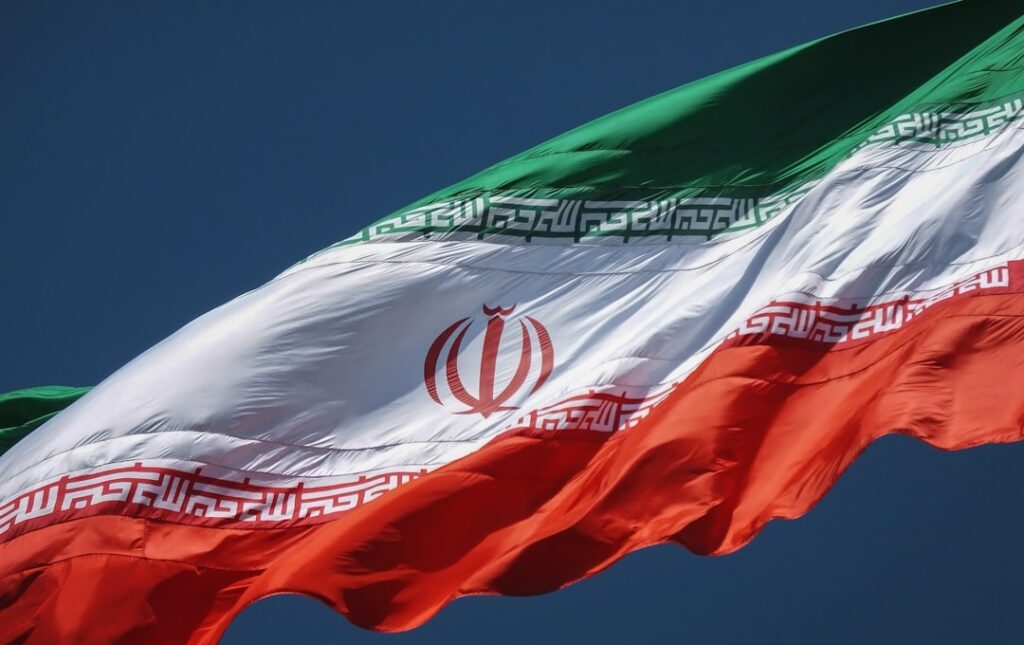
Image: GlobalBeat / 2026
Iran Hormuz blockade: Tehran demands US end port restrictions as oil route reopens
Muhammad Asghar | GlobalBeat
Tehran warned Washington on Friday to lift its naval blockade of Iranian ports within 48 hours after the Islamic Revolutionary Guard Corps reopened the Strait of Hormuz to commercial traffic.
The ultimatum came as IRGC patrol boats withdrew from the waterway’s shipping lanes, ending a 72-hour closure that had idled 50 tankers and driven global crude prices up 8 percent.
The dispute flared when US warships stopped 3 Iranian vessels off Bandar Abbas on Tuesday, part of President Trump’s “maximum pressure 2.0” sanctions push. Iran responded by deploying rocket launchers and anti-ship missiles along the strait’s northern coast, triggering the most serious confrontation in the chokepoint since 2019.
IRGC Navy commander Alireza Tangsiri told state television the blockade must end “before Sunday sunrise” or Iran would consider “all options on the table.” He gave no details, but an IRGC-linked news channel aired footage of mobile missile batteries that analysts identified as Noor anti-ship cruise missiles with a 120-mile range.
US Fifth Fleet spokesman Commander Timothy Hawkins said American forces “continue to operate in international waters” and rejected Iran’s demand. “The United States will not be dictated to regarding lawful maritime security operations,” Hawkins told reporters in Bahrain. He declined to say whether additional destroyers had been ordered into the region.
Oil markets eased after the reopening. Brent crude fell $3.42 to $81.60 a barrel, erasing two-thirds of the spike that had pushed prices toward $90. But insurers kept war-risk premiums at elevated levels, adding roughly $250,000 to the cost of moving a standard cargo through Hormuz, shipbrokers in Dubai estimated.
The episode marks the first direct shipping disruption since Trump reimposed sweeping oil sanctions in February. Iran’s crude exports had already dropped to 600,000 barrels per day in March, down from 1.4 million under the Biden administration, according to tanker-tracking data compiled by Petro-Logistics.
European capitals urged restraint. “Free passage through the strait is essential for global energy security,” EU foreign policy spokesman Peter Stano said in Brussels. France’s foreign ministry summoned both countries’ ambassadors to stress “the need to avoid any escalation that could threaten commercial navigation.”
China, the largest buyer of Iranian oil, voiced sharper criticism. Foreign Ministry spokeswoman Mao Ning called the US interdictions “unilateral bullying” and demanded “an immediate end to illegal unilateral sanctions.” Beijing imported 1.1 million barrels per day from Iran last month, most of it transshipped through Malaysian ports to circumvent US restrictions.
Tehran says the detained ships were carrying food and medical goods exempt from sanctions under humanitarian provisions. US officials counter that satellite imagery showed covered deck cargo consistent with ballistic-missile components. Neither side released photographs, and independent verification has not been possible.
The standoff reignites a pattern that played out repeatedly during Trump’s first term, when tit-for-tat tanker seizures roiled the waterway used by a fifth of the world’s traded oil. In July 2019 Iran impounded the British-flagged Stena Impero after Gibraltar’s UK authorities held an Iranian tanker; both vessels were released after six weeks of negotiations.
Background
The 21-mile-wide Strait of Hormuz has been a flashpoint since the 1980s, when Iraq and Iran targeted each other’s oil terminals during their eight-year war. American naval forces began escorting reflagged Kuwaiti tankers in 1987 after Iranian mine strikes, an operation that culminated in the US shooting down an Iranian civilian airliner, killing 290 people.
Washington reimposed oil sanctions on Iran in 2018 after Trump withdrew from the 2015 nuclear deal, known as the JCPOA. Tehran responded with a series of maritime sabotage attacks and ship seizures, while also gradually exceeding the accord’s limits on uranium enrichment. Indirect talks to revive the agreement collapsed in 2022 and have not resumed under the current US administration.
What’s Next
A US aircraft-carrier strike group led by the USS Harry S. Truman is expected to reach the northern Arabian Sea by Tuesday, joining two destroyers already shadowing Iranian waters. In Tehran, lawmakers will debate a bill mandating the IRGC to seize any oil tanker transiting Hormuz that belongs to countries complying with US sanctions, a move that could set up fresh confrontations within days.
Watch whether insurers lift the extra war premium once the Truman group is on station. If rates stay high, Asian refiners may accelerate purchases of US and North Sea crude instead, shaving another 200,000 barrels per day off Iranian sales and tightening global markets ahead of summer driving season.
Senior Correspondent, World & Geopolitics
Muhammad Asghar covers international affairs, conflict zones, and US foreign policy for GlobalBeat. He has reported on events across the Middle East, South Asia, and Eastern Europe, with a focus on the intersection of diplomacy and armed conflict. He has been writing wire-service journalism for over a decade.