Strait of Hormuz open to commercial ships for remainder of ceasefire, Iran says
Tehran says commercial shipping may transit the Strait of Hormuz throughout the ceasefire, easing Gulf trade concerns.
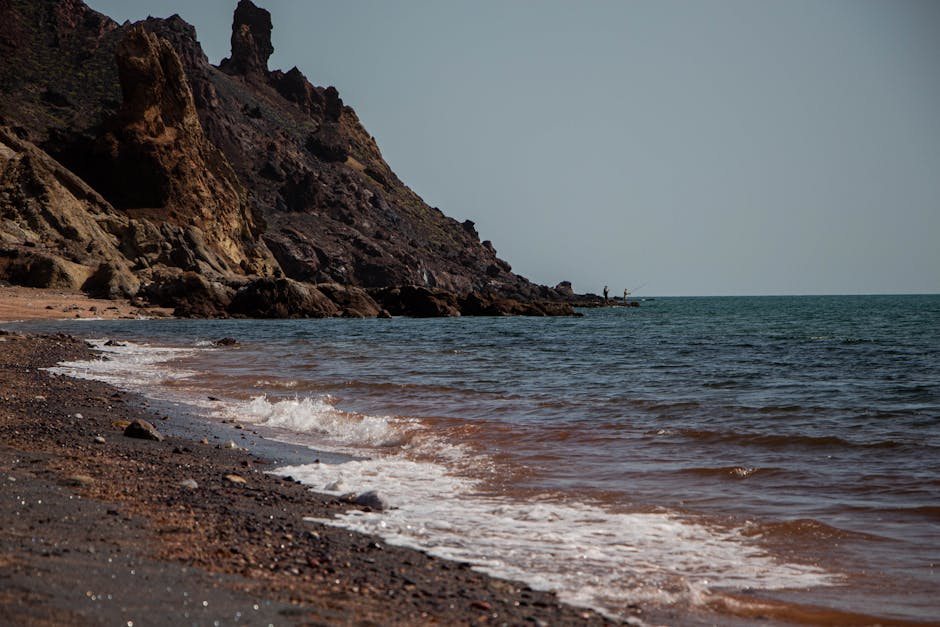
Image: GlobalBeat / 2026
Strait of Hormuz ceasefire keeps commercial shipping lane open through Iran deal
Iran announced Thursday that commercial vessels can transit the Strait of Hormuz for the rest of the ceasefire period.
Tehran’s foreign ministry issued the guarantee after separate phone calls with Britain, France and Germany, diplomats told reporters in London.
The waterway carries 20 percent of the world’s oil supply. Any interruption triggers immediate price spikes and forces tankers onto a 3-week detour around Africa.
British shipping insurers had warned clients earlier Thursday that war risk premiums would triple without explicit Iranian assurances. The Lloyd’s Market Association said rates reached 1 percent of cargo value during previous tensions, adding about $400,000 to the cost of a standard oil shipment.
“We received clear commitments that merchant shipping will not be targeted,” a European diplomat said on condition of anonymity. The source said Iran’s deputy foreign minister Ali Bagheri Kani delivered the message during a 40-minute call with his British counterpart.
Three commercial tankers passed through the strait Thursday afternoon, according to shipping data company MarineTraffic. The vessels included two crude carriers flagged to Marshall Islands and one container ship registered in Singapore.
U.S. Navy vessels maintained their patrol pattern but pulled back from the 12-mile territorial limit off Iran’s coast, a defense official in Washington confirmed. The official spoke on condition of anonymity because operational movements are typically not disclosed.
Oil prices fell 2.3 percent on the news. Brent crude dropped to $71.40 per barrel, erasing earlier gains that had pushed energy markets to 3-month highs.
The ceasefire took effect Monday after a 72-hour exchange of missiles between Iran and Israel. Terms require both sides to halt attacks for 10 days while negotiations continue through Qatari mediators.
Iran had threatened to close the strait if Israel launched further strikes on Iranian territory. Revolutionary Guard naval commander Alireza Tangsiri said last week that Tehran would treat any vessel heading to Israeli ports as a “legitimate target.”
Israeli officials dismissed the Iranian announcement as “empty propaganda” but confirmed they would honor the truce terms. “We expect full compliance, not press releases,” Foreign Minister Gideon Saar told Army Radio.
The strait is only 21 miles wide at its narrowest point. International law guarantees “transit passage” through the waterway, but Iran has challenged this interpretation in previous confrontations.
Insurance markets remained cautious despite Tehran’s assurance. “Underwriters want to see 72 hours of incident-free passage before reducing rates,” said Michelle Wiese, marine director at the Baltic Exchange in London.
Japan’s Mitsui OSK Lines said it would resume Gulf routes but maintain longer transit times through the area. South Korean refiner SK Innovation told Reuters it would load two crude cargoes scheduled for next week.
Background
The Strait of Hormuz has been a flashpoint since 2019, when Iran seized a British-flagged tanker in retaliation for the UK’s detention of an Iranian vessel near Gibraltar. The Revolutionary Guard has used speedboats and helicopter-borne commandos to board merchant ships during previous tensions.
Last month’s Israeli strike on Iran’s Isfahan nuclear facility brought renewed threats to shipping. Tehran responded by firing 200 missiles at Israeli military bases, prompting the current ceasefire negotiations brokered by Qatar and Turkey.
What’s Next
The 10-day ceasefire expires next Friday. Qatari mediators expect a second round of talks in Doha over the weekend, with proposals for extending the truce or converting it into a longer-term arrangement.
Iran’s shipping guarantee removes one immediate economic pressure point, but European diplomats say oil markets remain vulnerable to any resumption of hostilities. “This is a temporary fix, not a permanent solution,” one envoy said.
Senior Correspondent, World & Geopolitics
Muhammad Asghar covers international affairs, conflict zones, and US foreign policy for GlobalBeat. He has reported on events across the Middle East, South Asia, and Eastern Europe, with a focus on the intersection of diplomacy and armed conflict. He has been writing wire-service journalism for over a decade.