Israel says Iran strikes to ‘increase significantly,’ as Trump talks of ‘winding down’ in Middle East
Israel warns Iranian strikes will escalate, while Trump signals U.S. pullback from Middle East conflicts.
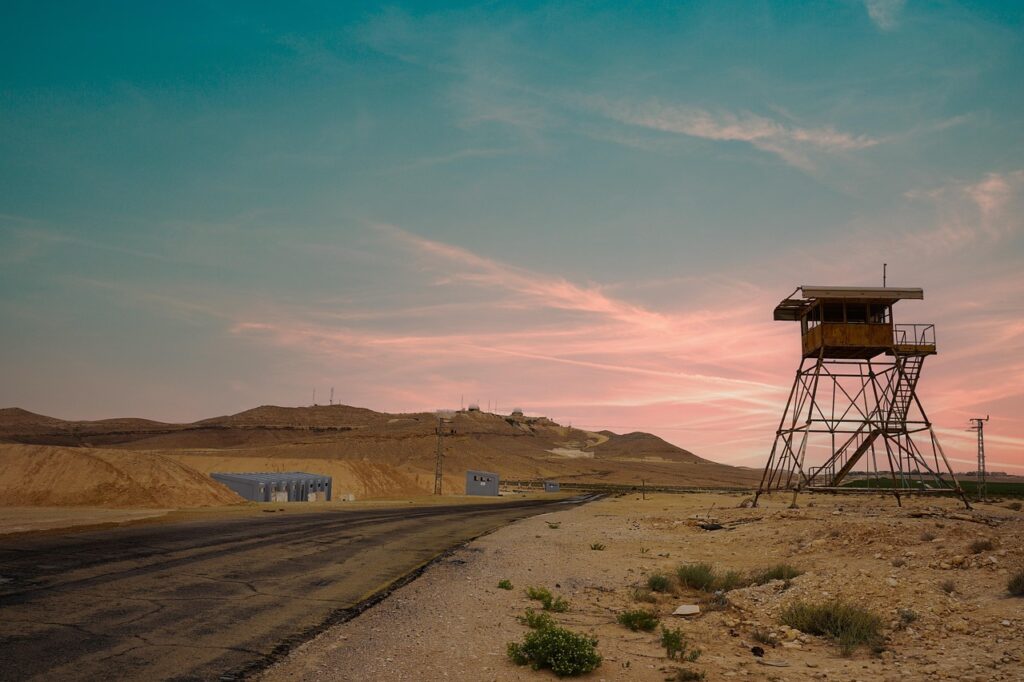
Image: GlobalBeat / 2026
Israel warns Iran strikes to surge as Trump eyes Middle East exit
Israel said its military strikes on Iran would increase significantly, hours after U.S. President Donald Trump declared his intention to “wind down” American involvement in the region, officials announced on Friday.
Israeli Defense Minister Israel Katz issued a written statement warning that “the scope and intensity of attacks will increase,” NBC News reported from Tel Aviv.
The announcement deepened the divide between the two allies, one seeking to extend confrontation with Tehran and the other signaling readiness to pull back. Israel has repeatedly struck Iranian-linked targets in Syria and pushed Washington for expanded freedom of action against Tehran’s nuclear program, yet Trump — facing a domestic focus on trade and migration — vowed to bring troops home.
“We do not want to get into another long war in the Middle East,” Trump told reporters at the White House earlier on Friday, according to the White House press pool. The president cited “costly tribal conflicts” across Syria and Iraq and insisted that “we are winding down, not ramping up,” Reuters reported.
Israel’s security Cabinet met shortly after the U.S. statements, Channel 12 television said. The cabinet approved broader rules of engagement that authorize deeper strikes inside Iran, although targets remained classified, three unnamed defense sources told CNN. The Israeli military declined to comment on the reports.
Iranian Foreign Ministry spokesperson Esmaeil Baghaei warned that any new Israeli attacks would meet “an immediate and commensurate response,” according to state television IRIB. He gave no specifics but added that Tehran was “closely monitoring enemy movements.”
European diplomats expressed alarm late on Friday, fearing that a U.S. exit could leave Israel with fewer restraints. “We don’t need two uncoordinated conflicts boiling at once,” an unnamed EU envoy told Agence France-Presse in Brussels. The diplomat said France and Italy would press the United Nations Security Council to call for de-escalation next week.
Background
Israel disclosed in 2018 that it had launched at least 200 air raids against Iranian targets in Syria during civil-war years, although many operations remain officially unclaimed. Tehran has backed Palestinian militias since the 1980s, supplying rockets to Hezbollah in Lebanon and, more recently, drone technology to Hamas. The U.S., under both Democratic and Republican administrations, has shared intelligence with Israel but sent its own planes into direct action just twice: in 2003 against Saddam Hussein and in 2014 targeting Islamic State.
Trump’s “America First” foreign policy pushed European allies to resist the 2018 U.S. withdrawal from the Iran nuclear deal. The president approved the 2020 drone killing of Iranian commander Qasem Soleimani in Iraq, yet simultaneously demanded large-scale troop withdrawals from Afghanistan and Syria. In his current term, Trump has signed executive orders freezing 8,000 pending refugee admission slots from Iraq and Syria, signaling deeper disengagement.
What’s Next
Israel’s air force plans additional long-range drills over the Mediterranean this weekend, rehearsing refueling routes used in past Iran strikes, Channel 13 reported. Meanwhile, the United Nations atomic watchdog confirmed that its inspectors will visit Iran’s Natanz enrichment halls on Monday, a fact-finding mission already delayed twice amid rising threats. Any clash near declared nuclear sites could force the Biden administration’s indirect negotiations on uranium stockpiles to restart, analysts said in Washington.
Israel has publicly set a “red line” against Iran enriching uranium above 60 percent purity; Tehran recently reached 63 percent, according to February inspector data. The discrepancy has fueled calls inside Israel’s security establishment to strike before uranium is converted into fuel rods or warheads, a window Israeli analysts now place at six to ten months.