No end to war in sight after one month as Iran squeezes global economy
One month into Mid-East war, Iran’s oil threats keep global markets on edge with no truce in sight.
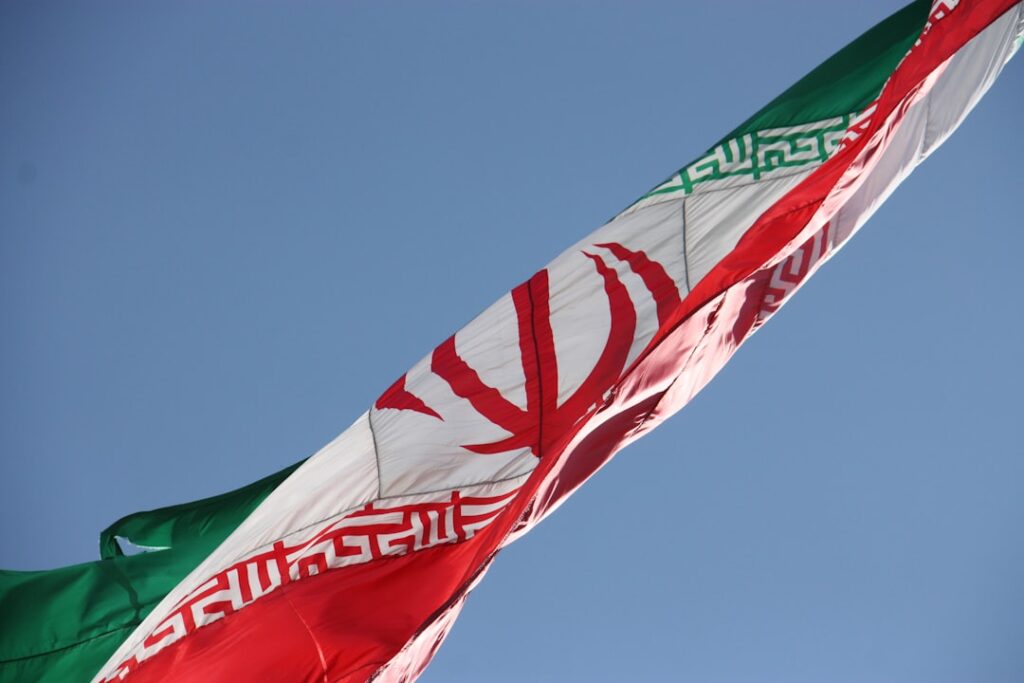
Image: GlobalBeat / 2026
[Iran war economy pressures mount as global shipping routes face renewed attacks]
Muhammad Asghar | GlobalBeat
Iran-backed Houthi militants launched fresh strikes on commercial vessels in the Red Sea after one month of war, disrupting global trade routes and driving up energy prices.
The attacks hit 3 vessels near the Bab el-Mandeb strait, forcing major shipping companies to reroute cargo around Africa and adding 10-14 days to Europe-Asia voyages.
Tehran’s proxy forces have targeted more than 70 commercial ships since October, responding to Israeli military operations in Gaza and U.S. support for Israel.
Oil prices surged 4% to $79 per barrel following the latest incidents, while insurance rates for Red Sea transits tripled since October, according to Lloyd’s Market Association data.
Shipping giants Maersk and Hapag-Lloyd announced extended suspensions of Red Sea services, diverting vessels through the Cape of Good Hope. The rerouting adds $1 million in fuel costs per ship and delays deliveries of consumer goods ahead of peak shopping season.
China’s foreign ministry called for “immediate de-escalation” and urged all parties to protect civilian vessels. Beijing imports 40% of its crude oil through the affected waterway.
U.S. Secretary of State Antony Blinken warned Iran during a phone call with his counterpart Hossein Amir-Abdollahian that Washington would take “appropriate measures” to defend maritime commerce. The Pentagon deployed the USS Eisenhower carrier group to the region last month.
European Union foreign ministers discussed launching an EU naval mission to protect commercial shipping. Diplomats said the operation could deploy 6-9 frigates within weeks, though member states remain divided over rules of engagement.
The Houthis claimed responsibility for targeting what they described as “Israeli-linked” vessels, though most hit ships have no Israeli connection. The group controls Yemen’s western coast and has access to Iranian-supplied missiles and drones.
Saudi Arabia and other Gulf states quietly increased security coordination with Israel despite having no diplomatic relations. Riyadh fears the conflict could derail its Vision 2030 economic transformation plans that rely heavily on stable oil exports.
Asian economies face particular pressure as 30% of global container traffic normally transits the Red Sea. Toyota and Honda announced temporary production cuts at European factories due to parts shortages.
The International Maritime Organization reported 19 shipping companies now avoid the Suez Canal route entirely. Traffic through the waterway dropped 45% compared to November, costing Egypt an estimated $500 million in lost transit fees monthly.
Background
Iran has armed and trained Houthi forces since 2015 when Saudi Arabia intervened in Yemen’s civil war. The relationship deepened after the U.S. withdrew from the Iran nuclear deal in 2018 and imposed sanctions on Iranian oil exports.
The Houthis have fired over 1,000 missiles and drones at Saudi targets since 2015, according to Riyadh. The group captured sophisticated weapons from Yemeni army depots and received additional capabilities from Tehran, including anti-ship missiles with 300-kilometer ranges.
What’s Next
Western diplomats expect the Biden administration to announce new sanctions on Iranian entities involved in supplying Houthi weapons next week. The measures would target shipping networks and financial intermediaries handling Iranian oil sales that fund proxy operations.