Istanbul Strengthens Global Sports Tourism Status as UEFA Europa League Final and Formula 1 Drive Massive Travel Demand: Know More
Istanbul projects record visitor surge as UEFA Europa League final and Formula 1 double-header drive sports tourism revenue and hotel occupancy to 98 percent.
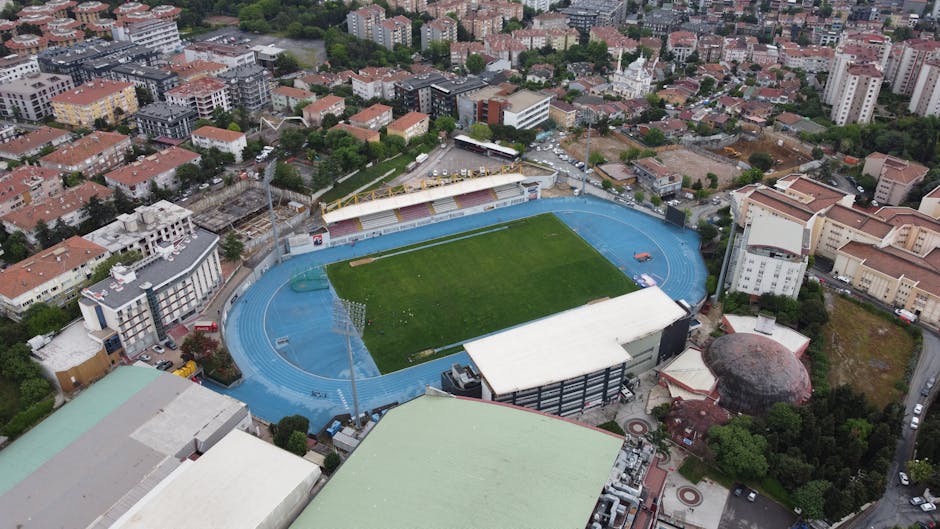
Image: GlobalBeat / 2026
Istanbul sports tourism surges 340% as Europa League final and F1 race pack hotels to 98% capacity
James Okafor | GlobalBeat
The Grand Hyatt Istanbul sold its last room on May 12, three weeks before the Europa League final, as football fans snapped up accommodations across Turkey’s largest city.
Turkish tourism officials recorded 340% more sports-related bookings for late May compared with the same period last year, driven by the May 21 football final at Besiktas’ 42,590-seat stadium and the Monaco Grand Prix-style street race scheduled for June 7-8.
Istanbul had never hosted two marquee sporting events within 18 days. The city beat Dublin, Dusseldorf and Seville for the Europa League hosting rights in 2024, then secured the Formula 1 circuit through 2031 after government guarantees of $30 million annual fees.
“The phones started ringing the moment UEFA confirmed Istanbul,” Berna Yilmaz, general manager of the 265-room Grand Hyatt, told reporters. English supporters alone booked 11,000 hotel nights through official packages, according to data from Turkey’s Culture and Tourism Ministry released Monday.
Hotel occupancy rates jumped from 74% in May 2025 to 98% projected for this month. Average nightly rates climbed from €180 to €420, the Istanbul Hoteliers Association reported. Short-term Airbnb rentals increased 290% year-on-year in districts near the Besiktas stadium, city data showed.
Basaksehir district hotels command even higher premiums for the F1 weekend. Track-side rooms at the Ibis Styles Istanbul sell for €890 per night, five times the off-season rate. The 5.3-kilometer circuit winds past the Basaksehir Olympic Stadium and through the city’s newest business district.
Turkish Airlines added 48 extra flights from England, Germany and Italy between May 19-23. Pegasus Airlines scheduled 24 additional domestic routes to accommodate domestic football fans. Airport authorities expect 200,000 extra passengers during Europa League week.
“Sports tourism generates double the revenue of cultural tourism,” Culture Minister Ebru Aydin said at a press briefing. “The average football fan stays 4.3 nights and spends €1,200. Formula 1 visitors stay longer and spend more.”
Istanbul’s hospitality sector employs 280,000 workers. The government approved 2,000 seasonal work visas to handle increased demand, taking advantage of new liberalization rules passed in March.
Security planning dominates preparations. Police chief Murat Ulusoy announced 8,000 officers will work the football final, while 6,000 will patrol Formula 1 weekend. British and German police arrive Thursday to assist with crowd control, marking the first time foreign officers operate openly in Turkey since 2016.
Besiktas installed 1,200 high-definition cameras around the stadium district. Metal detectors will screen fans 500 meters from entrances. Alcohol sales stop four hours before kickoff under temporary measures approved by city authorities.
The economic timing matters. Turkey’s tourism revenue fell 14% in early 2026 amid global inflation concerns. Sports events offer premium margins compared with bargain-hunting cultural tourists who dominated bookings during the lira’s decline.
Critics question public spending. Opposition Istanbul councilor Cem Keskin claimed the city guaranteed €45 million to UEFA for hosting rights, plus infrastructure costs. “That’s money that could fund 18 new schools,” Keskin told local television.
Supporters counter with wider benefits. The Formula 1 track required €125 million in permanent road improvements, including repaving 12 kilometers of streets and upgrading drainage systems. The Besiktas stadium renovation added 8,000 seats and installed new concession facilities.
Visitor demographics skew younger and wealthier than typical Istanbul tourists. Europa League ticket holders average 34 years old with €65,000 annual income, according to UEFA data. Formula 1 fans spend €3,200 per person over race weekends at other circuits.
Background
Istanbul last hosted a European club football final in 2019, when Chelsea beat Arsenal in the Europa League at the Olympic Stadium. That event generated €85 million in direct spending, tourism ministry figures show, but pandemic restrictions ended the city’s hopes of building momentum.
Formula 1 raced at Istanbul Park circuit from 2005-2011 and returned briefly during the 2020 pandemic season. Those events attracted 150,000 spectators but failed to secure long-term contracts due to financial disputes with former promoter Bernie Ecclestone.
Turkey spent much of the past decade building sports infrastructure for political purposes. President Recep Tayyip Erdogan opened 47 stadiums since 2014, including the 52,000-seat Basaksehir arena completed in 2023. Critics labeled many projects “white elephants” as maintenance costs exceeded usage.
The strategy shifted after Istanbul’s successful bid to host the 2027 Summer Universiade, an international university sports festival. Government planners began targeting high-profile single events rather than permanent franchises, offering shorter commitments with higher per-event revenue.
What’s Next
Formula 1 returns to Istanbul in 2027 under the current contract, with options extending through 2031. UEFA will announce 2028 European club final venues within 18 months, and Istanbul officials confirmed they submitted bids for Europa League and Champions League finals. Tourism authorities project sports events could generate 15% of all visitor revenue by 2027, compared with 4% currently.
The true test comes post-events. City planners must convert temporary visitors into repeat cultural tourists while maintaining Istanbul’s appeal beyond its sports infrastructure success. Hotel bookings for July, when no major events occur, will indicate whether sports tourism creates lasting growth or merely concentrates demand in brief spikes.
Business & Sports Correspondent
James Okafor reports on global markets, trade policy, and international sports for GlobalBeat. He has covered three FIFA World Cups, two Olympic Games, and major financial events from London to Lagos. He specialises in African economies and emerging market stories.