Live: Trump threatens to hit Iran hard; Tehran pledges to ‘fight back’
Trump threatens massive strikes on Iran; Tehran vows retaliation amid rising Middle East tensions.
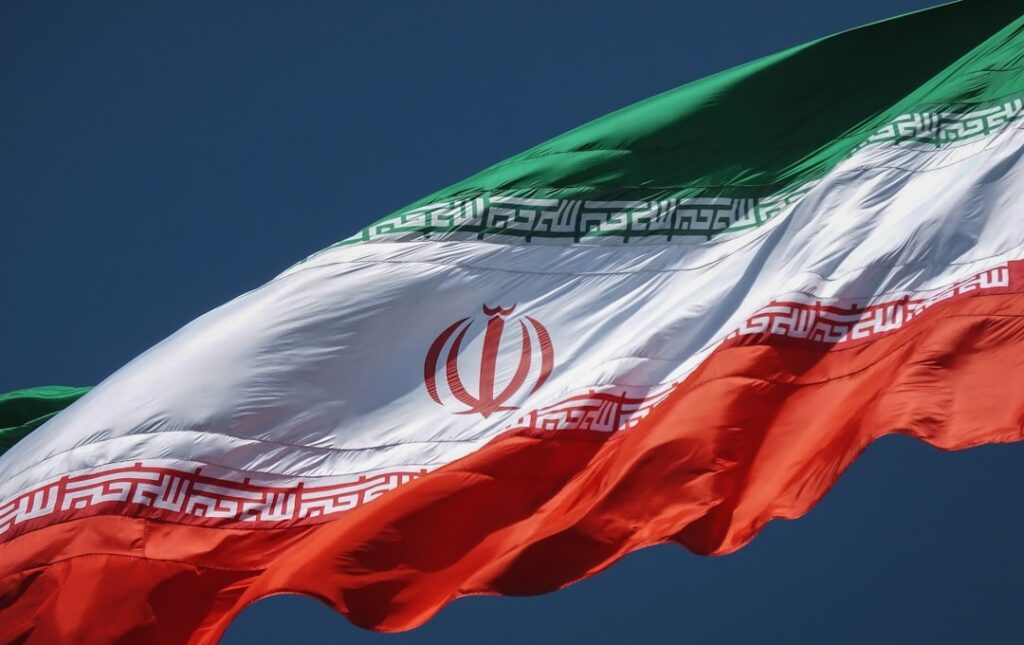
Image: GlobalBeat / 2026
Trump Iran conflict: US president threatens strikes as Tehran vows retaliation
By Muhammad Asghar | GlobalBeat
WASHINGTON — President Donald Trump warned Iran of heavy strikes late Monday after Tehran pledged to fight back against any US attack.
Trump told reporters at the White House that Iran would “be hit very hard if they do anything wrong” amid rising tensions following Israeli strikes on Iranian targets.
The exchange marked the most direct public threat between the two nations since Trump returned to office in January, raising fears of a wider regional conflict.
Iran’s Foreign Ministry responded within hours, warning that any US military action would trigger an immediate response. The spiral began after Israeli aircraft struck what Israel called Iranian military installations across Syria last week, killing 16 people including 7 Iranians.
Trump spoke briefly to reporters as he left for a campaign event in Pennsylvania. “They know what I mean when I say they’ll be hit very hard,” the president said. “We’ve got everything in place if we need it.”
The White House released no details on what form US strikes might take. Pentagon officials declined to comment on any deployment changes in the region.
Iranian Foreign Minister Abbas Araghchi fired back on state television. “The Islamic Republic has made it clear that any aggression by the United States will face a decisive and regrettable response,” Araghchi said. “Our armed forces are fully prepared.”
The Iranian military put its air defenses on high alert across the country, according to the semi-official Tasnim news agency. Revolutionary Guard naval units also increased patrols in the Strait of Hormuz, the vital waterway that carries 20 percent of global oil supplies.
Israel’s strikes last Tuesday hit multiple locations around Damascus and central Syria, according to the Syrian Observatory for Human Rights. The Britain-based monitoring group said the attacks targeted weapons depots and radar facilities used by Iranian forces.
Russia, which maintains troops in Syria, condemned the Israeli raids and called for restraint from all sides. “Further escalation serves nobody’s interests,” Kremlin spokesman Dmitry Peskov told reporters in Moscow.
Oil prices jumped 3.4 percent on Monday to $78.90 per barrel, the highest level in three weeks. The spike reflected market fears that any conflict could disrupt shipments through the Strait of Hormuz.
Major airlines began rerouting flights away from Iranian and Iraqi airspace, extending journey times between Europe and Asia by up to 45 minutes. Lufthansa, Air France and British Airways all confirmed the changes.
European Union foreign policy chief Kaja Kallas urged both sides to step back. “There’s no military solution to the tensions in the region,” Kallas said in Brussels. “We call for maximum restraint and dialogue.”
The crisis comes as Iran continues to enrich uranium at near-weapons-grade levels, according to the UN nuclear watchdog. The International Atomic Energy Agency reported last month that Iran had stockpiled enough material for several nuclear bombs if further enriched.
Trump withdrew the United States from the 2015 Iran nuclear deal during his first term and imposed sweeping sanctions that crippled the Iranian economy. President Joe Biden had tried to revive the agreement, but talks collapsed in 2022.
Israel has long advocated military action to prevent Iran from obtaining nuclear weapons. Prime Minister Benjamin Netanyahu discussed the issue with Trump during a White House visit last month, though no details of their conversation were released.
Background
Tensions between the United States and Iran have simmered since the 1979 Islamic Revolution that toppled the US-backed shah. The two countries broke diplomatic relations after Iranian students seized the American embassy in Tehran and held 52 hostages for 444 days.
Relations worsened in 2002 when President George W. Bush labeled Iran part of an “axis of evil” along with Iraq and North Korea. The US and Israel are widely believed to have carried out cyberattacks on Iranian nuclear facilities, including the Stuxnet virus that damaged centrifuges at Natanz.
Trump’s first term saw the most dangerous confrontation in decades. A US drone strike killed Iranian General Qassem Soleimani in Baghdad in January 2020, prompting Iran to fire ballistic missiles at American troops in Iraq. More than 100 US personnel suffered traumatic brain injuries, but no one was killed.
What’s Next
UN Secretary-General Antonio Guterres plans to send his top Middle East envoy to both Washington and Tehran this week in a bid to de-escalate the crisis. Regional powers including Saudi Arabia and the United Arab Emirates have also offered to mediate.
The standoff could reshape Middle East alliances as Arab states balance their hostility toward Iran with fears of regional war. Most Gulf Arab countries maintain discreet security ties with Israel but worry about becoming targets if the conflict spreads.
Senior Correspondent, World & Geopolitics
Muhammad Asghar covers international affairs, conflict zones, and US foreign policy for GlobalBeat. He has reported on events across the Middle East, South Asia, and Eastern Europe, with a focus on the intersection of diplomacy and armed conflict. He has been writing wire-service journalism for over a decade.