Live Updates: Iran touts video of Strait of Hormuz cargo ship seizures as Trump keeps quiet on next move
Iran releases video showing seized cargo ships in Strait of Hormuz; Trump silent on U.S. response.
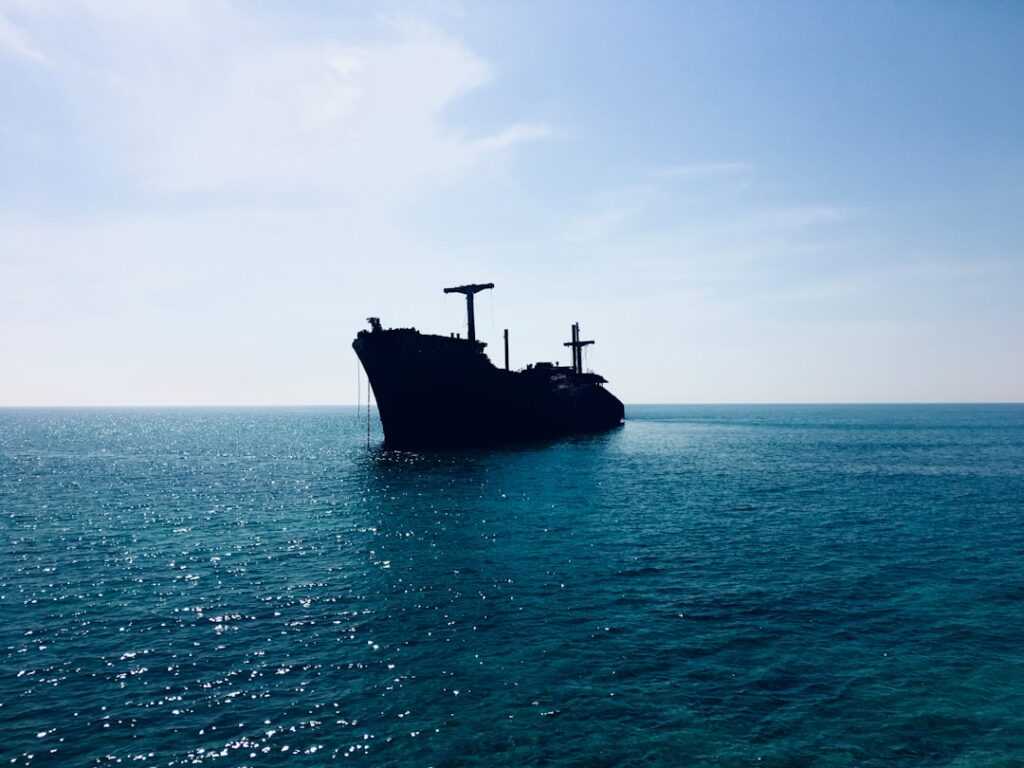
Image: GlobalBeat / 2026
Iran cargo ship seizure: Tehran releases footage of 2 tankers captured in Hormuz strait as Trump stays silent
Muhammad Asghar | GlobalBeat
Iran seized two international cargo vessels in the Strait of Hormuz on Saturday and released dramatic naval footage of the operation as U.S. President Donald Trump withheld any military response.
The Islamic Revolutionary Guard Corps published video showing masked commandos fast-roping from helicopters onto the Portuguese-flagged MSC Aries and the Marshall Islands-flagged Advantage Sweet while gunboats circled. Both ships remain anchored off Bandar Abbas.
The twin seizures choked the world’s most critical oil chokepoint. Roughly 20 percent of globally traded petroleum passes through the 21-mile-wide strait, and tanker insurance rates leapt 15 percent within hours, London brokers reported. No country can quickly replace the route.
One clip, time-stamped 9:47 a.m. local time, shows IRGC speedboats forcing the MSC Aries to a halt. A voice shouts in English over bridge radios: “Stop engine, stop engine, this is Iranian navy.” The 366-meter container ship, leased by Geneva-based MSC and operated by an Israeli-affiliated firm, carried 1,800 TEU of cargo including European automobiles.
The second video, shot at night, captures the Advantage Sweet’s crew kneeling on deck with hands on heads. The Kuwaiti-chartered, Turkish-managed tanker had loaded 100,000 tons of Aramco crude from Ras Tanura in Saudi Arabia and was bound for Houston. Iran’s state news agency IRNA claimed both vessels committed “maritime violations,” a charge shipping executives denied.
Trump, speaking to reporters outside the White House on Sunday evening, ignored three shouted questions about Iran. His national security adviser, Waltz, issued only a one-sentence statement: “We are consulting with allies and will respond at a time of our choosing.” The muted tone contrasted with Trump’s 2019 order for airstrikes after an earlier drone downing.
Pentagon officials confirmed two U.S. destroyers, the USS Bainbridge and USS Mason, shadowed the seized ships but received no orders to intervene. “We maintained a defensive posture,” a Navy commander told reporters, requesting anonymity because operational details remain classified. The U.S. Fifth Fleet in Bahrain said it continues “routine patrols.”
Tehran’s mission to the United Nations defended the seizures in a letter late Sunday. Ambassador Iravani wrote that Iran acted “to protect commercial navigation” after what he called weeks of Israeli attacks on Iranian shipping in the Red Sea. Israeli officials rejected the allegation as “fantasy.”
European capitals warned of escalation. The U.K. Foreign Office summoned Iran’s chargé d’affaires in London and demanded “immediate release of vessels and crews.” Foreign Secretary Lammy called the incidents an “unacceptable violation of freedom of navigation.” Brussels is preparing new sanctions on Iran’s drone industry, EU officials leaked to reporters.
Asian buyers panicked. South Korea’s trade ministry convened an emergency meeting with refiners SK and Hyundai Oilbank. Japan’s Mitsui OSK Lines rerouted three very-large crude carriers around Africa, adding 14 days to voyages. Brent crude futures closed up $3.42 to $93.17, the highest since October.
Inside Iran, the IRGC portrayed the seizure as patriotic theatre. State television looped the boarding footage under martial music and interviewed sailors who praised the Guards’ professionalism. Hard-line MP Boroujerdi told parliament the operation shows “Iran controls the Persian Gulf.”
The crews remain in limbo. Advantage Sweet carries 23 Indian nationals, 1 Russian and 1 Filipino, according to port documents. MSC Aries lists 17 Indian crew and 4 Europeans. Iranian authorities allowed Indian consular access on Monday, but Western diplomats said other crew were barred from phone calls.
Washington’s Gulf allies urged restraint. Saudi Arabia’s foreign ministry issued a statement calling for “de-escalation” and “unhindered passage” through Hormuz. The UAE, which imports almost all its food via the same strait, instructed shippers to lodge pre-arrival declarations with Emirati naval authorities.
Background
Iran has periodically disrupted commercial traffic since the 1980s. During the so-called Tanker War phase of the Iran-Iraq conflict, Tehran attacked hundreds of vessels, prompting Kuwait to register its tankers under the U.S. flag. The tactic re-emerged in 2019 after Trump exited the nuclear deal and imposed maximum-pressure sanctions. Several incidents followed, including the seizure of British-flagged Stena Impero and explosions that damaged multiple tankers.
The strait itself narrows to two 2-mile-wide shipping lanes. Its geography grants Iran an asymmetric advantage: a constellation of missile sites and naval bases overlooks inbound traffic from the Omani side. analysts say the IRGC’s small fast-attack craft can swarm larger warships, while shore-based anti-ship missiles deter intervention.
What’s Next
Insurance exclusions kick in 72 hours after a seizure, analysts warn, raising the possibility that remaining carriers will abandon the route unless naval escorts expand. Diplomats expect Iran to seek leverage for sanctions relief when talks on reviving the 2015 nuclear accord resume in Muscat next week, shipping executives fear more ships will be targeted if negotiations stall.
Every major importer is now recalculating risk. India, the biggest supplier of crew to global shipping, is exploring naval convoys, while China quietly pressed Tehran through back channels to avoid energy disruptions ahead of the Communist Party plenum in June. One thing is certain: empty rhetoric has run out of room, and the next ship taken may tip an uneasy standoff into open conflict.
Senior Correspondent, World & Geopolitics
Muhammad Asghar covers international affairs, conflict zones, and US foreign policy for GlobalBeat. He has reported on events across the Middle East, South Asia, and Eastern Europe, with a focus on the intersection of diplomacy and armed conflict. He has been writing wire-service journalism for over a decade.