Nations as Brands, Wars as Performances: How Modern Geopolitics Became a Global Media Spectacle
Nations weaponize media narratives—selling branded identities and staging conflicts—as global audiences consume geopolitics like spectators at a digitized reality show.
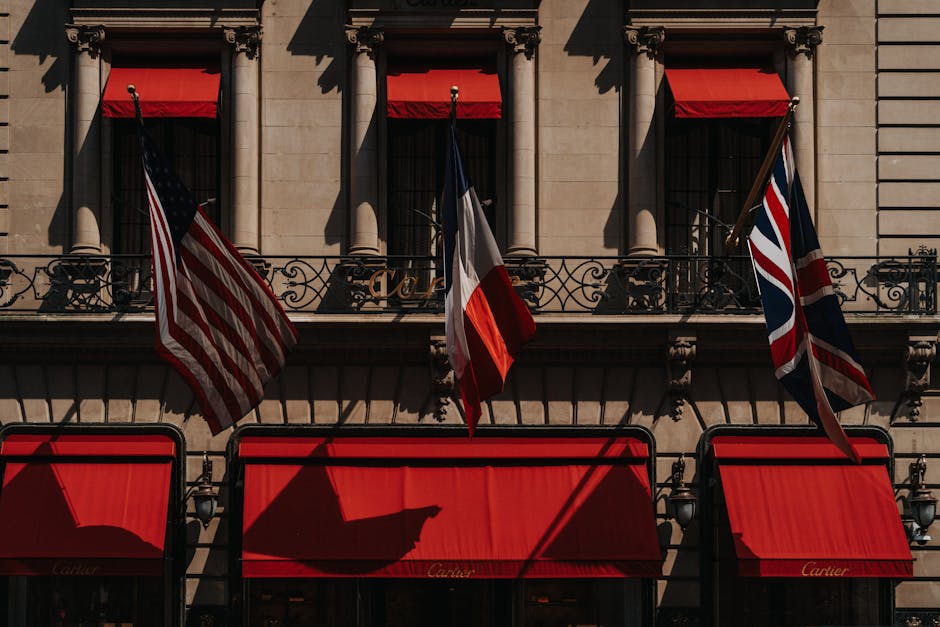
Image: GlobalBeat / 2026
Geopolitics media spectacle: Nations stage wars as brand campaigns
Russia’s 8 ruble propaganda troll farm churns out 4,000 war posts daily to sculpt Moscow’s image abroad.
The factory, exposed last week, pays college students $900 a month to flood TikTok, X and Telegram with scripted clips that recast the invasion of Ukraine as a defensive liberation.
Governments from Beijing to Washington now borrow the same playbooks once reserved for sneaker launches. State leaders livestream airstrikes. A one-minute drone clip over Gaza can shift arms sales by eight-figure sums. Foreign ministries post Instagram filters instead of communiques.
The Kremlin operation sits inside a St Petersburg tech park. Workers log in at 7 a.m. to find editors’ briefings that list the day’s hashtags, target accounts and “emotional vector”, according to interviews with three employees granted anonymity because they fear prosecution. Each 12-hour shift produces up to 80 items across 400 fake personas. Vacant memes of grinning soldiers and cratered schools travel faster than any wire alert.
Ukraine fights back with its own brand bureau. President Volodymyr Zelensky’s UNITED24 platform has raised $500 million from retail donors since March 2023, thanked by personalized videos of people holding artillery shells signed with purchasers’ Twitter handles. Kyiv markets the war partly through product drops: limited-edition FPV drones that feature Banksy stencils.
Polling by the Pew Research Center shows 57 % of Americans aged 18-29 learn about foreign conflicts first from social feeds, not from newspapers or TV. The figure was 14 % in 2014. Algorithms reward emotion over accuracy, so every missile flash doubles as an audition for mindshare.
Israel took the lesson live in October when it let journalists embed with troops in the first hours of the Gaza ground assault. Simultaneously, officially curated footage flooded WhatsApp groups in New Delhi, Paris and Lagos within 90 minutes. The communications team in Jerusalem called the gambit “narrative first-strike” in a slide deck leaked to Calcalist, an Israeli business daily.
Legacy media still matter, but chiefly as validators. After CNN aired a segment on Iranian drones being downed, Tehran’s English-language Press TV countered with B-roll of missile parts labeled “Property of manufacturer in Tel Aviv”, complete with cinematic close-ups. No reporter on the ground verified the label, yet the clip garnered 3 million views and was reposted by a member of the Iranian parliament.
Private companies now step in for short-staffed diplomatic services. US-based Storyful sells war footage verification to newsrooms and campaign strategists alike, compiling dossiers on which clips are staged. The firm earns $40 million a year, according to internal figures shared with investors. Half its revenue comes from governments evaluating whether to accelerate or stall arms shipments.
Afghanistan’s Taliban have joined the race by opening a parallel “cultural office” in Doha that streams battlefield montages set to electronic music. Though barred from YouTube, the group uploads on RocketChat and then tips sympathetic influencers who repost short edited copies, bypassing moderation. Within hours the same clips appear on mainstream Western sites, now stripped of digital watermarks that once branded them extremist content.
The branding impulse looks set to intensify. India, host of this year’s G20 summit, invited 97 influencers to New Delhi so Modi could brief them about infrastructure plans while influencers live-tweeted petals dropping from drones. The Canadian Embassy organized aerial rehearsal footage weeks in advance, an aide confirmed.
Background
States have long choreographed images of war, from Joseph Goebbels hiring Leni Riefenstahl in 1934 to the US embedding reporters with troops during the 2003 Iraq invasion. What changed are production costs, bandwidth and feedback loops. A smartphone and a ring light now top a $5,000 Sony camera kit plus satellite truck. In 2019, @LibyaObserver posted 20,000 updates about Khalifa Haftar’s march on Tripoli. NATO planners told an internal forum those posts “influenced reconnaissance flight paths” because misinformation spread faster than spy-plane turnaround.
The shift reached analytical circles in 2022 after Zelensky nightly addressed foreign parliaments via Zoom bytes tailor-made for those nations’ mood trackers. British MPs received Churchill references, while the Japanese Diet saw clips that thanked Tokyo for Hiroshima medical aid. The National Democratic Institute wrote in its April 2023 white paper that such granular appeals would “ripple” into municipal election campaigns worldwide.
What’s Next
A December meeting in Geneva will gather officials from 42 plus telecom regulators to weigh the EU’s plan for a “digital watermark” applied at upload, alerting viewers when footage is state-sponsored. The proposal expires if no coalition forms by February, and several Latin American delegations told reporters they fear the tool could be turned against opposition groups, threatening agreement.
Foreign ministry count grows meaningless as each ministry clogs the bandwidth. Viewers scroll through frontlines and breakfast photos in the same second. The scarce commodity is not content but credibility, and whoever scripts the next viral frame may decide whose pension funds finance the bombs landing after the tug-of-war for the timeline fades to fresh outrage.
Senior Correspondent, World & Geopolitics
Muhammad Asghar covers international affairs, conflict zones, and US foreign policy for GlobalBeat. He has reported on events across the Middle East, South Asia, and Eastern Europe, with a focus on the intersection of diplomacy and armed conflict. He has been writing wire-service journalism for over a decade.