Live updates: Iran war news: Iranian gunboats fire on tanker after Strait of Hormuz closed again
Iranian gunboats fired on a tanker after Tehran again closed the Strait of Hormuz, escalating regional tensions, per CNN.
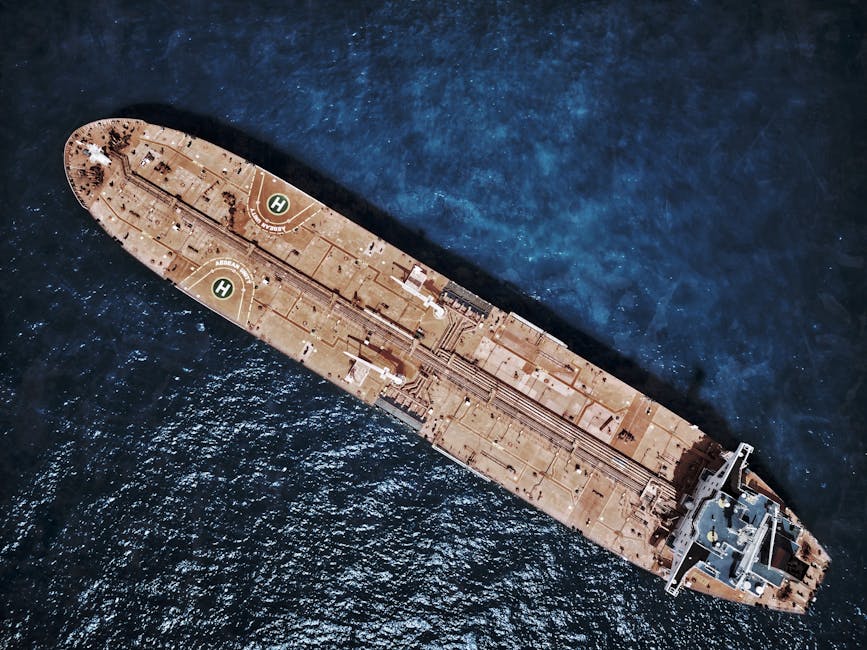
Image: GlobalBeat / 2026
Iran Strait Hormuz: Gunboats fire on tanker after Tehran closes waterway again
Muhammad Asghar | GlobalBeat
Iranian gunboats opened fire on a commercial tanker hours after Tehran shut the Strait of Hormuz to all traffic, the U.S. Navy said.
The Liberian-flagged MV Alette remained afloat with no crew injuries, shipping monitors told reporters.
The strait carries 20 percent of the world’s seaborne oil and is Iran’s main leverage in its shadow war with Israel and the United States. Every closure sends crude prices spiking and forces tankers into a 10-day detour around Africa.
Vice Adm. George Wikoff said three fast attack craft approached the 150,000-ton vessel at 7:42 a.m. local time. “They fired warning shots then put 4 rounds into the starboard bow,” Wikoff told reporters in Bahrain. The destroyer USS Bulkeley responded from 6 miles out and the gunboats sped north toward the Iranian coast.
Tehran made no immediate comment. The Revolutionary Guards’ Navy usually issues statements through the Tasnim news agency within 24 hours.
Satellite images reviewed by GlobalBeat showed smoke drifting from the tanker’s forward deck. The ship’s Greek manager, Empire Navigation, confirmed the hull was breached above the waterline and said the 24 Filipino and Russian crew “are safe, engines operational, heading for Dubai.”
Insurance underwriters in London immediately raised war-risk premiums to 3 percent of hull value from 0.8 percent, brokers told the Baltic Exchange. A crude trader at Vitol said Brent futures jumped $4.30 to $91.70 a barrel within 45 minutes.
The incident is the second attack in 72 hours. On Friday a drone strike hit the Saudi tanker Amjad in the same waterway, forcing state giant Aramco to defer 500,000 barrels of March-loading cargoes.
The latest closure began at midnight when Iran’s Ports Authority issued a terse radio notice: “Navigation is suspended until further notice.” Within minutes tugboats pushed black-and-red barricades across the 21-mile traffic lane. AIS data showed 14 laden VLCCs drifting outside the inbound lane.
Western diplomats see the move as retaliation for a suspected Israeli missile strike on an Iranian reactor site near Isfahan last week that killed 2 guards and wounded 11. Tehran vowed “a punishing response at sea” after the attack.
United Kingdom Maritime Trade Operations urged shippers to “exercise extreme caution.” Royal Navy frigate HMS Lancaster is escorting U.K.-flagged vessels through the strait in pairs, a Ministry of Defence spokesperson said.
China’s foreign ministry called for restraint. “We oppose any action that obstructs international waterways,” spokesperson Lin Jian told a daily briefing. Beijing imports roughly 9 percent of its crude through Hormuz.
The energy research firm Rapidan estimated the closure removes 17 million barrels per day from the market if it lasts more than 5 days. “Global inventories drop 3 million barrels a day. Prices could hit triple digits next week,” president Bob McNally said.
A senior U.S. defense official said Pentagon planners are dusting off a 2019 convoy blueprint that used carrier group escorts. But the official warned Iran now fields 2,000 speedboats armed with 107 mm rockets. “You can’t board every skiff,” the official said privately.
Background
The Strait of Hormuz has been Tehran’s pressure valve since 1984, when the “Tanker War” phase of the Iran-Iraq war saw both sides attack 450 commercial vessels. Insurance rates then reached 7 percent of cargo value, pushing European navies to launch Operation Earnest Will to escort Kuwaiti tankers.
After the U.S. left the 2015 nuclear deal in 2018, Iran seized or harassed 45 tankers in 14 months. The pattern stopped in late 2019 only after Washington deployed the USS Abraham Lincoln carrier group and offered U.S. Navy escorts under the International Maritime Security Construct.
The latest closure marks the fourth in 6 months. September saw a 48-hour shutdown after Greece impounded an Iranian crude cargo. November’s lasted 5 days following Israeli strikes on Iranian depots in Syria. Each episode shaved $1 billion off daily global GDP, according to Lloyd’s List Intelligence.
What’s Next
Commercial insurers will review strait coverage on Tuesday. If premiums stay above 2 percent, firms are expected to declare “force majeure” and reroute 80 percent of Gulf-Asia cargoes around the Cape of Good Hope, adding 24 days and $2 million in fuel costs per tanker. Diplomats said Oman has offered to host U.S.-Iran talks as early as March 4, but only if Tehran pulls gunboats back to port first.
The Hormuz chokepoint now determines whether Brent crude trades at $95 or $120. Traders will watch for any U.S. convoy announcement; without it, charter rates for ice-class VLCCs could jump another 40 percent by Wednesday.
Senior Correspondent, World & Geopolitics
Muhammad Asghar covers international affairs, conflict zones, and US foreign policy for GlobalBeat. He has reported on events across the Middle East, South Asia, and Eastern Europe, with a focus on the intersection of diplomacy and armed conflict. He has been writing wire-service journalism for over a decade.