Live updates: Iran war news; Trump, Iran give conflicting signals on talks as Hormuz deadline postponed
Trump and Tehran issue contradictory signals on negotiations as a quarterly deadline to block Iran’s Hormuz oil shipments is quietly delayed.
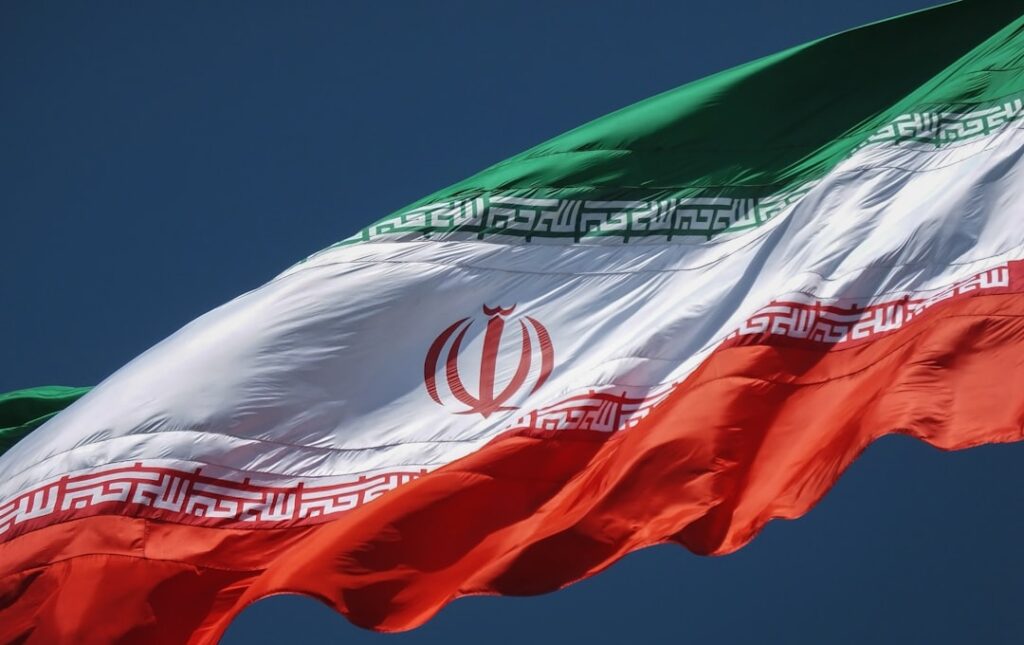
Image: GlobalBeat / 2026
Iran war: Trump, Tehran issue rival statements as Hormuz deadline extended
Muhammad Asghar | GlobalBeat
President Donald Trump said Iran had asked for negotiations while Tehran denied any talks as the U.S. postponed a threatened naval blockade of Iranian oil exports.
Trump told reporters at the White House that Iranian officials “want to negotiate” and that talks could start “pretty soon”, without giving details.
The conflicting messages came hours before an unspecified U.S. deadline for Iran to accept stricter nuclear limits or face American moves to halt its crude shipments through the Strait of Hormuz. The administration later said it would allow more time for diplomacy, officials said.
Trump spoke after Iranian Foreign Minister Abbas Araghchi tweeted that “there are no talks, directly or indirectly, with America”. Iran’s mission to the United Nations issued an identical statement.
The Pentagon had floated a plan to board or turn back tankers carrying Iranian oil, a step Tehran warned would equal “an act of war”.
“We are giving diplomacy a little more room,” a senior U.S. official told Reuters, adding that no final decision on the blockade had been taken. The official spoke on condition of anonymity because he was not authorised to comment publicly.
Iranian crude exports have risen to around 1 million barrels per day despite existing American sanctions, according to ship-tracking data compiled by TankerTrackers.com. Oil revenue provides the Iranian government with more than 30 percent of its budget, official figures show.
European diplomats said they received no advance notice of the U.S. deadline and feared it could unravel an informal understanding that has kept Iranian nuclear expansion within agreed limits since 2023.
Israeli officials told reporters they supported “maximum pressure” on Iran but warned that a naval confrontation in the Gulf could ignite a broader conflict. “We prefer economic isolation to escalation at sea,” an Israeli security cabinet member said.
Background
The United States re-imposed sweeping sanctions on Iran in 2018 after Trump withdrew from the 2015 nuclear deal, known as the Joint Comprehensive Plan of Action. The accord had limited Tehran’s uranium enrichment in return for sanctions relief.
Iran responded by breaching enrichment caps and installing advanced centrifuges. Indirect negotiations in Vienna during 2021-2022 failed to revive the agreement. The Biden administration kept most Trump-era sanctions in place, and Iran has continued to enrich uranium to 60 percent purity, close to weapons grade, according to the International Atomic Energy Agency.
What’s Next
U.S. officials said they would decide “within days” whether to proceed with naval action, while European envoys planned to meet Iranian delegates in Muscat next week to explore ways to lower tensions, diplomats said.
Oil markets will watch loading schedules at Iranian ports and any redeployment of U.S. warships currently on routine patrol in the Gulf. A sustained blockade could push Brent crude above $90 per barrel, analysts at JPMorgan warned clients.