House rejects effort to withdraw US forces from the Iran war as Republicans stick with Trump
U.S. House defeated a resolution to withdraw troops from hostilities with Iran, as Republicans backed Trump’s stance.
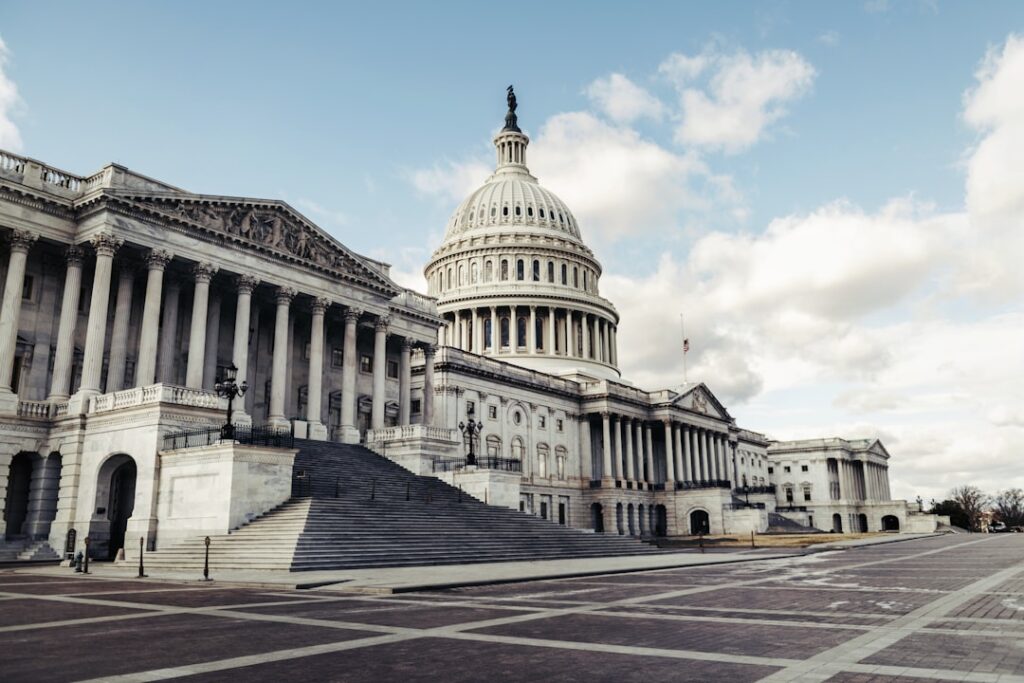
Image: GlobalBeat / 2026
US Iran war vote: House blocks withdrawal as Trump keeps Republican backing
Muhammad Asghar | GlobalBeat
231 lawmakers voted down a resolution demanding President Trump pull US troops from combat against Iran.
The final count broke almost along party lines. Only 7 Republicans joined 203 Democrats to support withdrawal. 218 Republicans and 13 Democrats opposed it.
The resolution surfaced after three weeks of US airstrikes on Iran-linked targets across Iraq and Syria. Critics call the undeclared campaign a war. The White House insists it is “limited self-defense.” Thursday’s vote means congressional checks on that claim have failed for now.
Trump hailed the result on his social network within minutes. “House just sent a message to Tehran: AMERICA UNITED,” he wrote. House Speaker Mike Johnson told reporters the outcome shows “Republicans will not abandon a president under fire.”
Opponents framed the vote as Congress dodging its constitutional duty. “We just rubber-stamped endless bombing,” said Democratic Rep. Barbara Lee, who introduced the privileged resolution under the 1973 War Powers Act. That law lets any lawmaker force a floor vote on troop deployment within 48 hours.
Lee drafted the measure after a March 29 drone strike on al-Asad air base in Iraq wounded 11 US soldiers. The Pentagon blamed Kata’ib Hezbollah, an Iraqi militia armed by Tehran. US jets responded the next day hitting 38 sites Iran’s Islamic Revolutionary Guard Corps uses in Syria’s Deir Ezzor province. Since then American aircraft have flown more than 120 sorties. Iranian media says 63 people have been killed.
Republicans argued withdrawal would embolden Tehran right when Iran is “on the back foot,” as House Armed Services chair Rep. Austin Scott put it. He cited recent Israeli assassinations of Iranian nuclear scientists and a currency slide that pushed the rial past 610,000 to the dollar. “Why bail them out?” Scott asked during floor debate.
Democrats countered that no authorization exists for strikes inside Iran itself if that escalation comes next. A classified briefing last week revealed rules of engagement that let US pilots chase drones “into Iranian airspace if necessary,” according to three members who attended. The Pentagon declined to confirm that scope on the record.
Some rank-and-file Republicans admitted worries in private. “No one wants another 20-year conflict,” one GOP lawmaker told GlobalBeat, requesting anonymity to avoid retribution from leadership. Yet only 7 ultimately defected. Most represent districts Trump carried by fewer than 5 points in 2024 and fear primary challengers next year, lawmakers said.
The White House signaled it will keep expanding targets. National Security adviser Mike Waltz said Thursday night “the pressure campaign is just beginning.” Satellite images show B-52 bombers arriving at Diego Garcia in the Indian Ocean this week, adding long-range strike options beyond aircraft already in Qatar and Jordan.
Economic ripple effects widened immediately after the vote. Brent crude jumped $2.11 to $92.40 a barrel on fears of supply disruptions through the Strait of Hormuz. Shipping giant Maersk announced rerouting fees for Asia-Europe cargo that could add $700 per container. Airlines lifted Europe-Mideast surcharges by up to $40 per ticket.
US airlines are privately pressing the FAA for new risk assessments on polar routes that skirt Iranian airspace. United suspended its Mumbai-Newark nonstop last week citing “military activity.” Competitors have not followed yet but are reviewing daily, industry officials said.
Background
Thursday’s vote revives a long-running struggle between Congress and the White House over who controls war powers. The 1973 War Powers Act passed over President Nixon’s veto after secret bombing of Cambodia during the Vietnam War. It requires a president to halt hostilities after 60 days unless lawmakers vote to authorize them. Every administration since has argued the law is unconstitutional, and courts have never resolved the dispute.
Trump previously faced Iran without new congressional approval in 2020 when a drone strike killed Revolutionary Guard commander Qasem Soleimani in Baghdad. Democrats then passed similar War Powers resolutions in both chambers but lacked the two-thirds votes to override Trump’s veto. The latest conflict phase began January 4, 2026 when Iran-backed militias resumed rocket attacks after a 14-month pause. Trump ordered retaliatory strikes four days later and has steadily widened them since.
What’s Next
A sharper test looms in the Senate where Foreign Relations chair Sen. Bill Hagerty, a Trump ally, must decide whether to block a companion resolution introduced by Sen. Chris Van Hollen. Under Senate rules the measure could reach the floor by mid-May if Hagerty relents. Even if it passes the upper chamber, Trump is certain to veto, and neither house appears able to muster the 67 votes required for an override, lawmakers in both parties acknowledged.
That dynamic leaves the courts or the ballot box as the remaining brakes. Veterans advocacy group VoteVets announced plans to sue next week arguing the strikes exceed constitutional authority. A separate coalition of anti-war conservatives filed federal papers Thursday seeking a restraining order on “hostilities absent explicit declaration of war.”
Senior Correspondent, World & Geopolitics
Muhammad Asghar covers international affairs, conflict zones, and US foreign policy for GlobalBeat. He has reported on events across the Middle East, South Asia, and Eastern Europe, with a focus on the intersection of diplomacy and armed conflict. He has been writing wire-service journalism for over a decade.