Live updates: Trump calls Iranian response to US peace proposal ‘totally unacceptable’
Trump deems Iran’s reply to U.S. peace offer “totally unacceptable,” deepening standoff over revived nuclear talks.
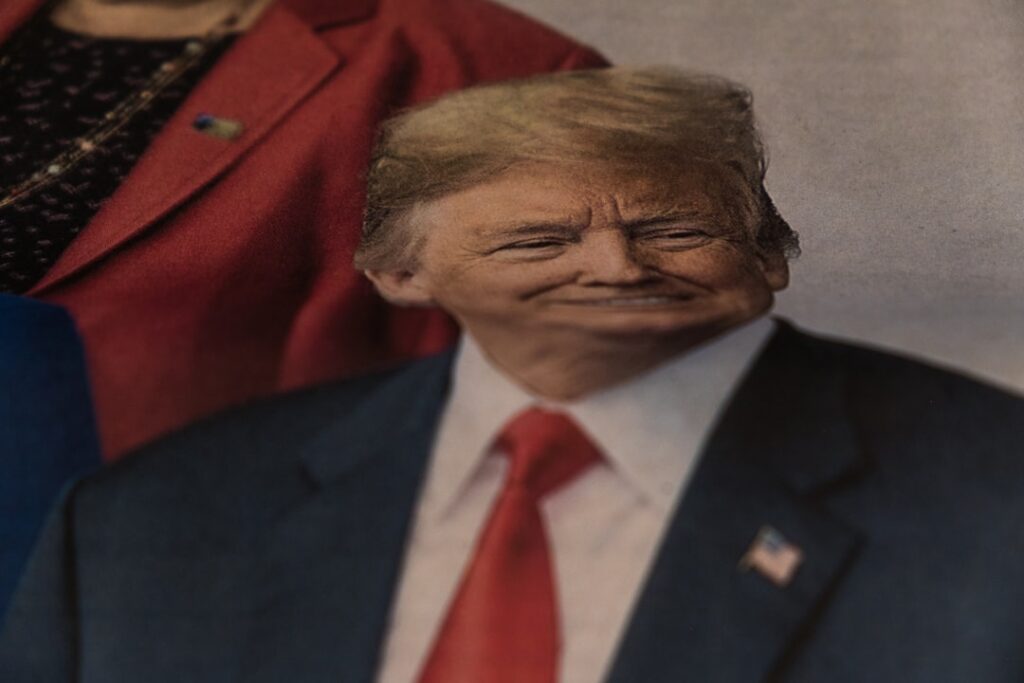
Image: GlobalBeat / 2026
Trump rejects Iran peace response as talks collapse
Muhammad Asghar | GlobalBeat
President Donald Trump dismissed Iran’s reply to a US peace proposal as “totally unacceptable” on Tuesday, derailing the first major diplomatic contact between the two nations since 2018.
The White House refused to release Tehran’s counter-offer but said it fell “far short” of US demands for a permanent freeze on Iranian uranium enrichment.
The breakdown wipes out the most serious attempt to restart negotiations after Trump reimposed crippling sanctions on Iran in March. European brokers had spent 5 weeks shuttling draft texts between Washington and Tehran in Vienna. Trump told reporters at the White House the Iranian paper “basically re-stated old positions” and warned that “all options are back on the table.”
Iran’s foreign ministry called the US plan “unbalanced” earlier in the day but had signalled willingness to keep talking. State TV quoted an unnamed Iranian diplomat saying the reply offered “reciprocal limits” on enrichment if Washington eases oil embargoes first. That sequence clashes with Trump’s insistence that enrichment must halt before any sanctions relief.
The White House released a 4-point outline last month that demanded Iran cap uranium purity at 3.67 %, ship out stockpiles above 300 kg, and accept snap inspections of undeclared sites. In return Washington offered to unlock $10 billion in frozen oil revenue and suspend new banking penalties. Diplomats say Tehran’s answer adds 3 extra clauses: a guarantee that no future US administration can renege, expiration dates for each restriction, and a faster timetable for removing terrorism designations on the Revolutionary Guard.
Talks had moved faster than officials expected after Oman opened a secure channel in April. Two rounds of technical discussions in Muscat produced a single-page “framework” that both sides hailed as progress. The optimism collapsed within 24 hours of the Iranian document landing in Washington. “We gave them a generous opening bid and they pocketed it,” a senior US official told reporters on condition of anonymity. The official said intelligence shows Iranian centrifuges at Natanz and Fordow are “running at near-record speed” even while negotiators met.
European Union foreign policy chief Pekka Haavisto confirmed the impasse and urged restraint. “There is no plan B if diplomacy fails,” he said in Brussels. France, Germany and Britain — the original signatories to the 2015 nuclear accord — backed the US outline and now face pressure to join fresh penalties. A joint statement expressed “disappointment” at Iran’s stance and warned of “collective measures” if enrichment continues.
Oil markets reacted within minutes. Brent crude surged 4.2 % to $82.70 a barrel, the biggest daily jump since January. Traders cited the loss of a possible sanctions reprieve that could have released 1 million barrels per day of Iranian exports. The price spike hurts import-dependent economies across Asia where refiners had already cut Iranian shipments to zero under Trump pressure. Treasury yields dipped as investors sought safe assets, pushing the 10-year note to 3.94 %.
Israeli Prime Minister Benjamin Netanyahu praised Trump’s refusal to “appease Tehran” and repeated his long-standing call for tougher action. Intelligence minister Gila Gamliel told Army Radio that Israel retains the right to act “with or without American support” if Iran approaches weapons-grade enrichment. Iran denies seeking nuclear arms and keeps its declared purity at 60 %, well below the 90 % needed for warheads. Diplomats say uranium metal production has resumed at the Isfahan plant, a step the 2015 deal banned.
Tehran’s bargaining power has shrunk after a wave of currency crashes and street protests. The rial trades near 620,000 to the dollar, a record low that wipes out purchasing power for imported medicine. Inflation topped 53 % last month, according to Iran’s central bank. Hardliners in parliament argue any deal that preserves even limited enrichment is betrayal, while moderates warn economic collapse could trigger wider unrest. Supreme Leader Ayatollah Ali Khamenei has not commented publicly since the US proposal surfaced.
Background
Trump abandoned the 2015 Joint Comprehensive Plan of Action in 2018 calling it “the worst deal ever” and restored banking, oil and shipping sanctions. The accord had lifted penalties in exchange for curbs that extended Iran’s breakout time to a bomb from 3 months to 1 year. UN inspectors confirmed Iran stayed within limits for 14 months after the US exit, then began exceeding caps step by step as European firms feared American secondary sanctions.
The new proposal marked the first formal US text since 2020 when the Trump administration sought a broader pact covering missiles and regional proxies. Tehran refused to negotiate while sanctions stayed in force, creating a stalemate that allowed enrichment to rise. Iran now holds an estimated 6 tons of uranium enriched to 60 % purity, enough for several bombs if refined further, according to the International Atomic Energy Agency.
What’s Next
Trump has given aides until Friday to present a menu of escalatory steps ranging from additional banking penalties to naval interdictions of Iranian oil. Officials say the Treasury Department will blacklist more than 50 ships and trading firms as early as Thursday. Diplomats in Vienna expect a last-ditch push by Oman and Qatar to revive talks but admit chances are slim before Iran’s presidential election next month.
Senior Correspondent, World & Geopolitics
Muhammad Asghar covers international affairs, conflict zones, and US foreign policy for GlobalBeat. He has reported on events across the Middle East, South Asia, and Eastern Europe, with a focus on the intersection of diplomacy and armed conflict. He has been writing wire-service journalism for over a decade.