Middle East crisis live: ‘Go get your own oil,’ Trump tells allies in angry outburst
Trump rebukes U.S. allies over Gulf oil reliance amid escalating Middle East tensions.
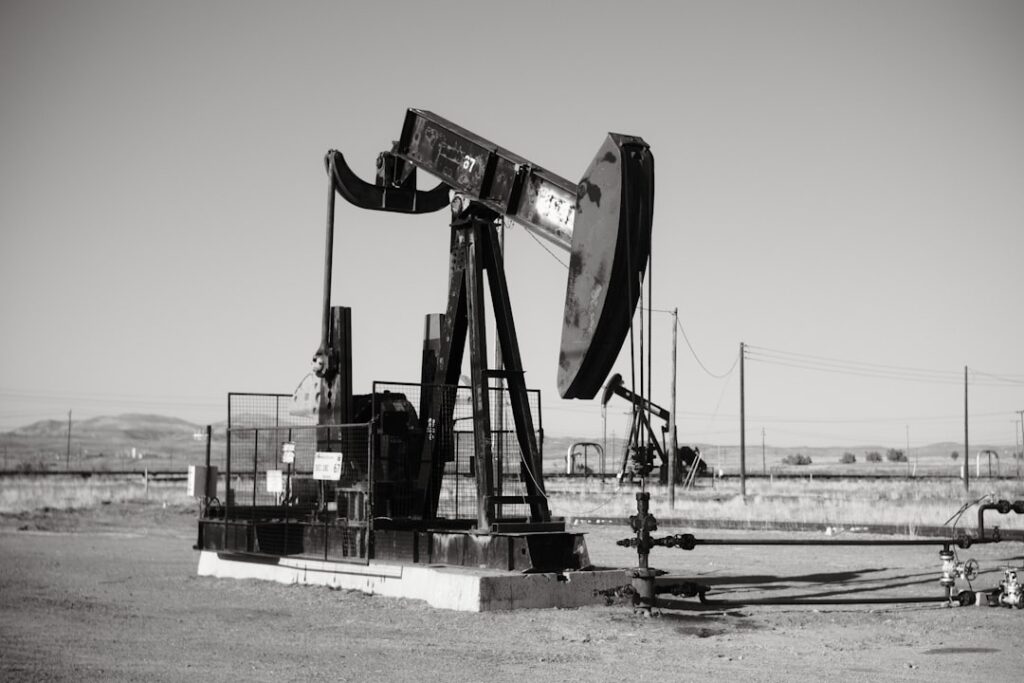
Image: GlobalBeat / 2026
Trump Middle East oil: US president tells allies to secure own supplies after Iran strike
Muhammad Asghar | GlobalBeat
President Donald Trump told NATO allies to “go get your own oil” during an angry White House briefing after Iran missile strikes hit Saudi energy facilities Tuesday night.
The outburst came as benchmark Brent crude surged past $95 per barrel following attacks that knocked out 2.8 million barrels of daily production at Abqaiq and Khurais complexes.
Trump’s remarks signal a dramatic shift from decades of US military protection for Gulf oil shipments. European leaders had pressed Washington to bolster naval patrols through the Strait of Hormuz after Tehran vowed “maximum pain” sanctions retaliation.
“We’re not doing this anymore,” Trump told reporters in the Roosevelt Room. “They want our troops, they want our protection, but they don’t want to pay. Go get your own oil.”
The president specifically called out Germany, France and Japan for importing Iranian crude through sanctions loopholes last year. Japanese refiners took 126,000 barrels daily before US pressure stopped shipments in February, according to vessel tracking data.
British officials confirmed Prime Minister Keir Starmer received a “blunt” phone call Wednesday morning. Trump rejected Starmer’s request for joint naval operations and instead suggested European nations fund their own tanker escorts.
“The message was clear: American blood won’t defend foreign oil companies,” a senior administration official told GlobalBeat, speaking on condition of anonymity to describe private conversations.
Energy markets recoiled at the prospect of reduced US military presence. Oil traders in London and New York bid up prices amid fears Tehran could target additional facilities without American deterrence.
Saudi Energy Minister Abdulaziz bin Salman pleaded for calm, saying kingdom exports would resume “within days” using strategic reserves. But Aramco shares dropped 7 percent in Riyadh trading as investors questioned security assumptions.
The Pentagon had deployed 3,000 additional troops to the region last month after Iranian-backed militias attacked Iraqi bases housing American soldiers. Defense Secretary Pete Hegseth now faces pressure to outline withdrawal timelines.
“We’re reviewing all force posture options,” Hegseth said at the Pentagon. No decisions on troop reductions have been made, he added, despite Trump’s public stance.
European Union foreign ministers scheduled emergency talks in Brussels Thursday. The bloc imports 14 percent of its oil through the Persian Gulf and lacks military capacity to secure shipping lanes alone.
German Chancellor Friedrich Merz called Trump’s position “unhelpful” during a Berlin press conference. German refineries process 500,000 barrels daily from Saudi Arabia and Iraq combined.
French President Emmanuel Macron dispatched diplomats to Washington seeking clarification. France maintains a small naval presence in the Gulf but relies heavily on American intelligence for maritime security.
China, the world’s largest oil importer, watched developments nervously. Beijing bought 42 percent of Iranian exports before US sanctions, according to customs data, and now depends more on Saudi supplies.
Iranian Foreign Minister Abbas Araghchi celebrated Trump’s comments as a “historic admission” that US regional influence is waning. Supreme Leader Ayatollah Ali Khamenei previously vowed to drive American forces from the Middle East.
The attacks used upgraded Shahed-238 drones that evaded Saudi air defenses, satellite imagery showed. Intelligence agencies believe Iranian Revolutionary Guard officers provided targeting coordinates to Yemen’s Houthi rebels, who claimed responsibility.
One civilian contractor died and nine workers suffered injuries during the strikes, Saudi officials reported. The casualties included Filipino and Bangladeshi nationals employed by Aramco maintenance crews.
Trump first floated the “go get your own oil” theme during his 2024 campaign, complaining that NATO allies spent billions on Russian energy while expecting US military protection. The phrase drew huge applause at rallies but alarmed foreign policy establishment.
Background
The United States has guaranteed Gulf oil security since the 1980 Carter Doctrine declared Persian Gulf resources vital to American interests. Fifth Fleet headquarters in Bahrain patrols shipping lanes using aircraft carriers and destroyer groups that cost $7 billion annually to operate.
European nations cut defense spending after the Cold War, preferring to rely on American military might for energy security. Germany dismantled most naval capabilities, while Britain’s Royal Navy shrank from 150 ships in 1990 to barely 70 today. This dependency created tensions as Washington demanded NATO allies increase military contributions.
What’s Next
Trump meets Saudi Crown Prince Mohammed bin Salman at the White House next Tuesday, where oil security will dominate discussions. The kingdom seeks firm US commitments while Trump wants increased Saudi investment in American arms purchases and infrastructure projects.
Oil traders brace for further volatility as the weekend approaches, with some analysts predicting $100 crude if European nations cannot quickly arrange alternative supply routes. The International Energy Agency scheduled a Monday press conference to discuss coordinated stockpile releases that could calm markets.
The president’s stance reflects growing frustration with alliance costs but risks leaving allies exposed to Iranian pressure. Without American protection, Gulf oil flows could become increasingly vulnerable to Tehran’s asymmetric tactics, potentially forcing consuming nations into uncomfortable security arrangements or higher energy costs that worsen global inflation pressures.
Senior Correspondent, World & Geopolitics
Muhammad Asghar covers international affairs, conflict zones, and US foreign policy for GlobalBeat. He has reported on events across the Middle East, South Asia, and Eastern Europe, with a focus on the intersection of diplomacy and armed conflict. He has been writing wire-service journalism for over a decade.