Midwestern University Showcases Health Sciences Innovation at Annual Kenneth A. Suarez Research Day
Midwestern University students presented stem-cell wound gels, AR anatomy tools, and opioid alternatives at the 14th Kenneth A. Suarez Research Day.
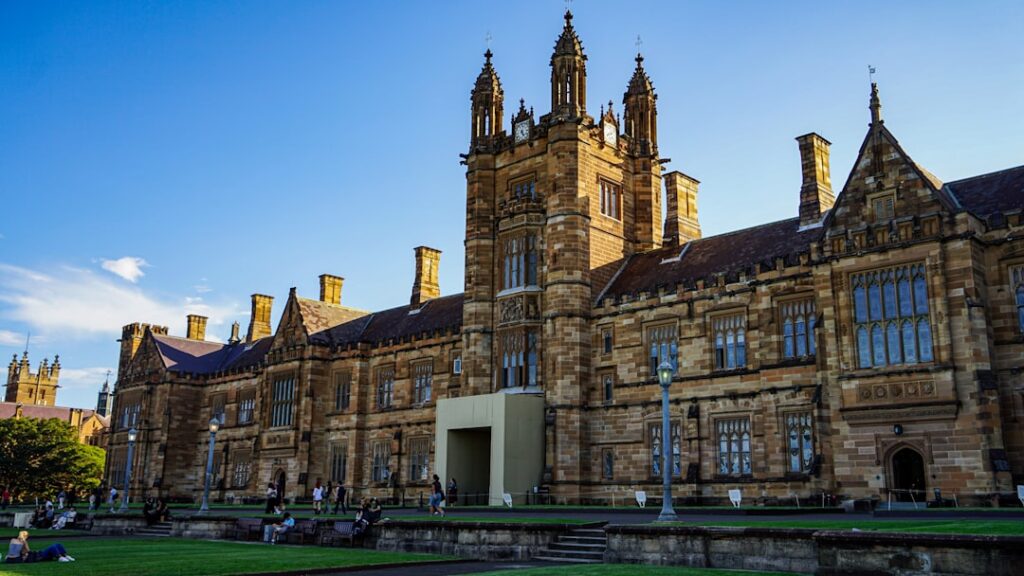
Image: GlobalBeat / 2026
Health sciences innovation drives Midwestern University research day: 200 projects presented
Sarah Mills | GlobalBeat
Midwestern University hosted its annual Kenneth A. Suarez Research Day featuring 200 health sciences innovation projects from students and faculty across both its Downers Grove and Glendale campuses.
The April 5 event marked the largest research showcase in the university’s 119-year history with presentations covering everything from cancer drug development to veterinary stem cell therapies.
Research Day honors the memory of anatomy professor Kenneth Suarez who died in 2019 and has become the university’s premier platform for highlighting medical breakthroughs. The university expanded entries by 40 percent this year after limiting previous events to 150 projects due to space constraints.
“Our researchers tackled some of healthcare’s most pressing challenges,” university president Kathleen Goeppinger told faculty gathered in the Downers Grove campus auditorium. Student teams presented 70 percent of projects while faculty researchers led the remaining 60 presentations.
Doctor of Osteopathic Medicine candidate Jennifer Chen demonstrated a wireless cardiac monitoring device that reduced false alarms by 35 percent in clinical trials at the university’s Chicago-area clinics. The device uses machine learning algorithms to distinguish between actual arrhythmias and motion artifacts that trigger conventional hospital monitors.
“The technology could save hospitals an estimated $2.3 million annually in reduced nurse response times and unnecessary testing,” Chen said during her presentation. Her team filed a provisional patent through the university’s technology transfer office.
Pharmacy researchers unveiled a novel compound showing 89 percent effectiveness against drug-resistant breast cancer cells in laboratory testing. The synthetic molecule targets a protein overexpressed in triple-negative breast cancer tumors that have stopped responding to chemotherapy.
“Our compound appears to restore chemotherapy sensitivity while having minimal impact on healthy cells,” said pharmacology professor Michael Johnson who supervised the three-year study. The research received $450,000 in funding from the National Institutes of Health.
Veterinary medicine students presented stem cell treatments for equine joint disease that demonstrated improved mobility in 18 horses treated at the university’s companion animal clinic. The therapy uses adipose-derived stem cells processed in university laboratories rather than costly commercial preparations.
“The cost savings allow more horse owners to pursue advanced treatment options,” said veterinary researcher Maria Rodriguez who noted the treatment costs $1,200 compared to $4,000 for commercial alternatives. Horses showed measurable improvement within eight weeks of injection.
The college of dental medicine displayed 3D-printed dental implants incorporating antimicrobial metals that reduced infection rates by 28 percent in 45 patient cases reviewed over 18 months. The titanium implants contain microscopic silver particles that prevent bacterial colonization.
“We’re seeing these patients maintain healthy gum tissue around their implants much longer,” said prosthodontics resident David Kim who led the investigation. Traditional implants show signs of inflammation in 35 percent of cases after five years according to dental literature.
Background
Midwestern University established its research day tradition in 2005 after merging with Arizona College of Osteopathic Medicine the previous year. The university operates on two campuses serving more than 2,900 students across nine health science colleges including medicine, dentistry, pharmacy, and veterinary medicine.
The Kenneth A. Suarez memorial designation began in 2020 after the longtime anatomy professor died from a heart attack while teaching. Suarez spent 22 years at the university and established the first student research symposium that grew into the current event format.
What’s Next
University administrators plan to expand next year’s research day by adding afternoon sessions for 50 additional projects after turning away 20 qualified entries this year due to time constraints. The event submission deadline moves to February 1, 2027 compared with March deadlines the previous three years.
Technology & Science Editor
Sarah Mills is GlobalBeat’s technology and science editor, covering artificial intelligence, cybersecurity, public health, and climate research. Before joining GlobalBeat, she reported for technology desks across Europe and North America. She holds a degree in Computer Science and Journalism.