Opinion | Trump is 14 days from decisive victory in Iran
The Washington Post opinion piece claims Trump is 14 days from a decisive victory in Iran, without citing evidence or official sources.
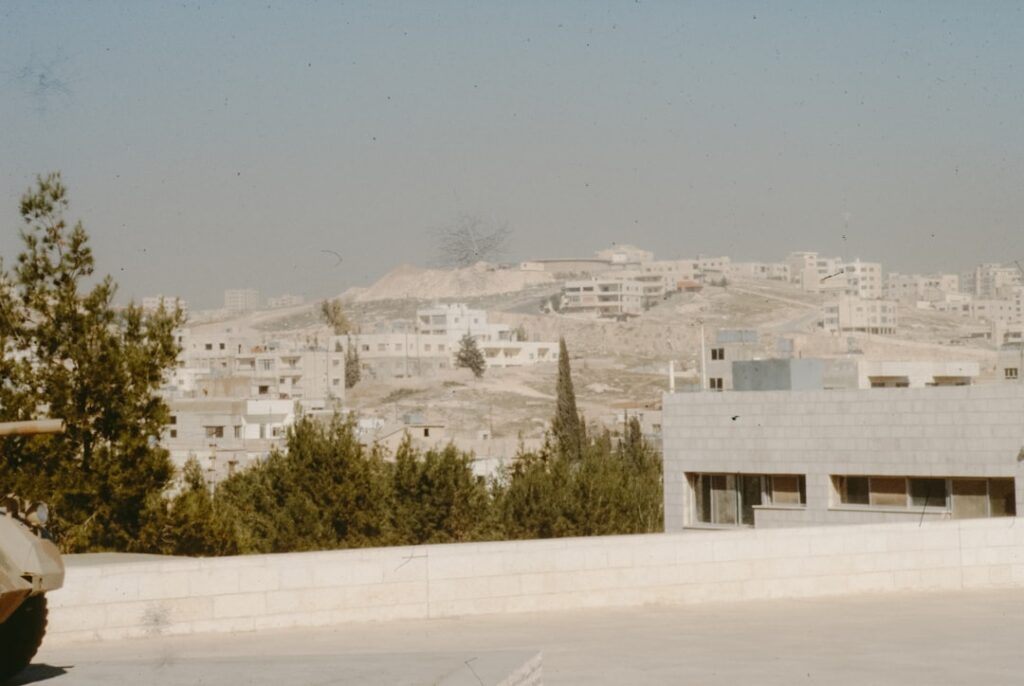
Image: GlobalBeat / 2026
Trump Iran victory: President claims military success in 14-day deadline
Muhammad Asghar | GlobalBeat
Donald Trump says his administration will achieve “decisive victory” over Iran within two weeks through coordinated military and economic pressure.
The president delivered the timeline during a private briefing with Republican lawmakers on Tuesday, according to three attendees who spoke to reporters afterward.
Trump’s statement marks his most explicit prediction yet on Iran amid escalating tensions over Tehran’s nuclear program and regional activities. The administration has deployed additional warships to the Persian Gulf and tightened sanctions on Iranian oil exports during the past month.
“The president told us this operation has been meticulously planned and will conclude before the month is over,” Senator Mike Rounds told reporters outside the White House. “He expressed absolute confidence in the outcome.”
Defense Secretary Pete Hegseth briefed senators on military preparations, including recent strikes on Iranian-backed militias in Iraq and Syria. The Pentagon has positioned two aircraft carrier groups within striking distance of Iran, officials confirmed.
The president’s 14-day timeline surprised some lawmakers who questioned whether diplomatic options remained viable. Trump responded that Tehran had rejected multiple outreach attempts, according to Senator Ted Cruz.
“He was very clear that negotiations have failed repeatedly,” Cruz said. “The Iranian regime understands only strength, and we’re prepared to demonstrate that strength decisively.”
Iran’s foreign ministry dismissed Trump’s deadline as “psychological warfare” in a brief statement. The country’s supreme leader, Ayatollah Ali Khamenei, convened an emergency meeting of military commanders on Wednesday, Iranian state media reported.
European allies expressed concern about the compressed timeline. German Chancellor Friedrich Merz urged restraint during a phone call with Trump on Wednesday, according to the German government. French President Emmanuel Macron proposed an emergency UN Security Council session.
The standoff centers on Iran’s uranium enrichment program, which International Atomic Energy Agency inspectors say has reached near-weapons-grade levels. Tehran maintains its nuclear activities are peaceful, but intelligence agencies from multiple countries dispute this claim.
Trump withdrew from the 2015 nuclear deal during his first term and imposed “maximum pressure” sanctions. President Joe Biden attempted to revive negotiations, but talks collapsed in 2024 after Iran demanded sanctions relief without nuclear concessions.
The current crisis erupted in March when Israel bombed Iranian nuclear facilities, prompting Tehran to accelerate enrichment further. Trump has supported Israel’s actions while building a broader coalition against Iran.
Background
Trump’s first-term Iran policy revolved around withdrawing from the Joint Comprehensive Plan of Action, commonly called the Iran nuclear deal. The 2015 agreement had limited Tehran’s nuclear activities in exchange for sanctions relief, but Trump argued it failed to address Iran’s regional activities and missile program.
After reimposing sanctions in 2018, the Trump administration targeted Iranian oil exports, banking, and shipping. Exports dropped from 2.5 million barrels daily to under 500,000, costing Iran an estimated $200 billion in revenue, according to Iranian government figures.
The current confrontation differs from previous episodes in both scope and urgency. Iran has expanded its nuclear program significantly since 2018, installing advanced centrifuges and accumulating enriched uranium stockpiles. The country’s “breakout time” to produce enough fissile material for one nuclear weapon has shortened to approximately one week, intelligence assessments indicate.
Regional dynamics have shifted dramatically, with Iran establishing footholds in Syria, Iraq, Yemen, and Lebanon. The so-called “axis of resistance” includes Hezbollah in Lebanon, Hamas in Gaza, and various Shiite militias operating across the Middle East. These groups have launched hundreds of attacks on US forces and allies during the past year.
What’s Next
The 14-day countdown places enormous pressure on military planners and diplomatic channels. Pentagon officials must finalize target lists, coordinate with regional allies, and prepare for potential Iranian retaliation against US bases and oil infrastructure. The White House has scheduled daily briefings for congressional leaders as operations proceed.
Oil markets already reacted nervously to Trump’s deadline, with Brent crude rising $4 per barrel on Wednesday. Energy analysts warn that military confrontation could send prices above $100 if Iranian exports are disrupted or shipping lanes closed.
Iran’s likely responses include attacks on Saudi and Emirati oil facilities, harassment of commercial vessels in the Strait of Hormuz, and activation of regional militias. US officials believe Tehran has prepared extensive contingency plans for various scenarios. The coming fortnight will determine whether Trump’s gamble achieves the “decisive victory” he promises or escalates into broader regional conflict.
Senior Correspondent, World & Geopolitics
Muhammad Asghar covers international affairs, conflict zones, and US foreign policy for GlobalBeat. He has reported on events across the Middle East, South Asia, and Eastern Europe, with a focus on the intersection of diplomacy and armed conflict. He has been writing wire-service journalism for over a decade.