Panic over image of Iranian island
False social-media posts claiming U.S. rockets struck Irans Kish Island triggered regional panic before Iranian media debunked the rumours, authorities confirmed Tuesday.
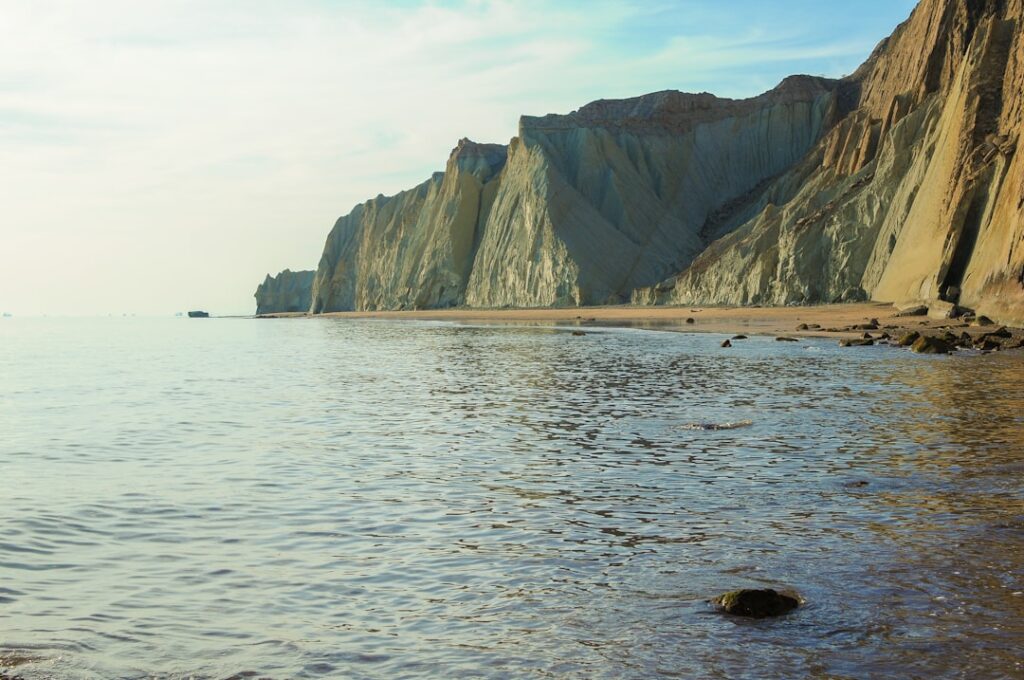
Image: GlobalBeat / 2026
Iranian island controversy: Trump’s social media post sparks diplomatic firestorm
Muhammad Asghar | GlobalBeat
A White House social media post mistakenly labeled Iran’s Kish Island as UAE territory, triggering Tehran’s formal protest within hours.
Trump shared the image showing a map with Iran’s southern Gulf waters and the contested label Sunday night. The post disappeared Monday morning after Iranian diplomats demanded an explanation.
The incident hits raw nerves. Tehran and Washington haven’t had formal ties since 1980. Kish Island sits 12 miles off Iran’s coast and hosts 40,000 residents plus offshore oil platforms worth $2 billion annually. Iranian state media called the map “a dangerous provocation” while hardline MPs demanded military drills.
“This isn’t some remote rock,” said Ali Vaez, Iran project director at the International Crisis Group. “Kish controls shipping lanes that move 20 percent of global oil supplies.”
Iran’s Foreign Ministry summoned Switzerland’s ambassador, who handles U.S. interests in Tehran, at 9 a.m. local time Monday. Deputy Foreign Minister Ali Bagheri Kani handed over a protest note demanding “immediate correction and official apology,” according to ministry spokesman Esmaeil Baghaei.
The White House offered no public explanation. National Security Council spokesman Brian Hughes told reporters “we’re reviewing the circumstances” but declined further comment. The post vanished from Trump’s Truth Social account but screenshots spread across Iranian social media, amplified by state television.
Regional governments watched nervously. UAE officials stayed silent, presumably to avoid appearing complicit. Saudi Arabia’s foreign ministry called for “restraint from all parties” in a brief statement. Oman, which often mediates between Tehran and Washington, offered to facilitate talks if tensions escalate.
The timing compounds existing friction. Trump’s administration has imposed 147 new sanctions on Iranian entities since January. Tehran recently announced it installed 1,000 new centrifuges at its Natanz nuclear facility. Both actions already pushed the 2015 nuclear deal further toward collapse.
Iranian hardliners seized the moment. Parliament speaker Mohammad Bagher Ghalibaf told lawmakers Monday afternoon that “America’s hostile intentions are exposed.” He demanded the foreign ministry file a complaint with the United Nations. The semi-official Tasnim news agency reported Revolutionary Guard navy units put on “heightened readiness” without specifying numbers.
Economic tremors followed. Iran’s rial dropped 2 percent against the dollar on black market exchanges in Tehran. Oil traders pushed Brent crude up $1.20 to $73.40 per barrel, though prices eased later. The Tehran Stock Exchange’s main index fell 1,400 points as investors feared escalation.
Background
Kish Island’s strategic location has made it a flashpoint for centuries. The Portuguese occupied it in the 16th century. Britain controlled it briefly during World War II. Iran cemented sovereignty through a 1971 treaty with Sharjah, one of the seven emirates that later formed the UAE. The island hosts Iran’s largest free trade zone and attracts 1 million tourists yearly, mostly Iranians seeking Dubai-style malls without visa requirements.
U.S.-Iran tensions over Gulf waters stretch back to the 1980s “Tanker War,” when both sides attacked oil shipments. Iran’s Revolutionary Guard navy developed asymmetric tactics including speedboat swarms and mobile missile launchers. The U.S. Navy’s 5th Fleet, headquartered in Bahrain, maintains carrier groups to protect shipping. Previous confrontations include Iran’s 2016 detention of 10 American sailors who drifted into Iranian waters.
What’s Next
Iran’s atomic energy organization scheduled a press conference Tuesday where officials may announce nuclear escalation. The U.S. State Department’s Persian-language spokesperson will brief reporters Monday evening. Regional diplomats expect a quiet Swiss-channel message to Tehran within 48 hours clarifying the map was an error.
The episode underscores how social media miscues can trigger real-world tensions when geopolitical trust sits at rock bottom. Watch for whether Trump’s team implements tougher verification protocols before future posts, and whether Iran uses the incident to justify further nuclear advances or regional provocations. The next 72 hours will determine if quiet diplomacy can contain what began as a careless click.
Senior Correspondent, World & Geopolitics
Muhammad Asghar covers international affairs, conflict zones, and US foreign policy for GlobalBeat. He has reported on events across the Middle East, South Asia, and Eastern Europe, with a focus on the intersection of diplomacy and armed conflict. He has been writing wire-service journalism for over a decade.