Police-style powers to tackle fly-tippers being considered
UK considers granting councils police-style powers to search premises without warrants and seize assets in crackdown on fly-tipping.
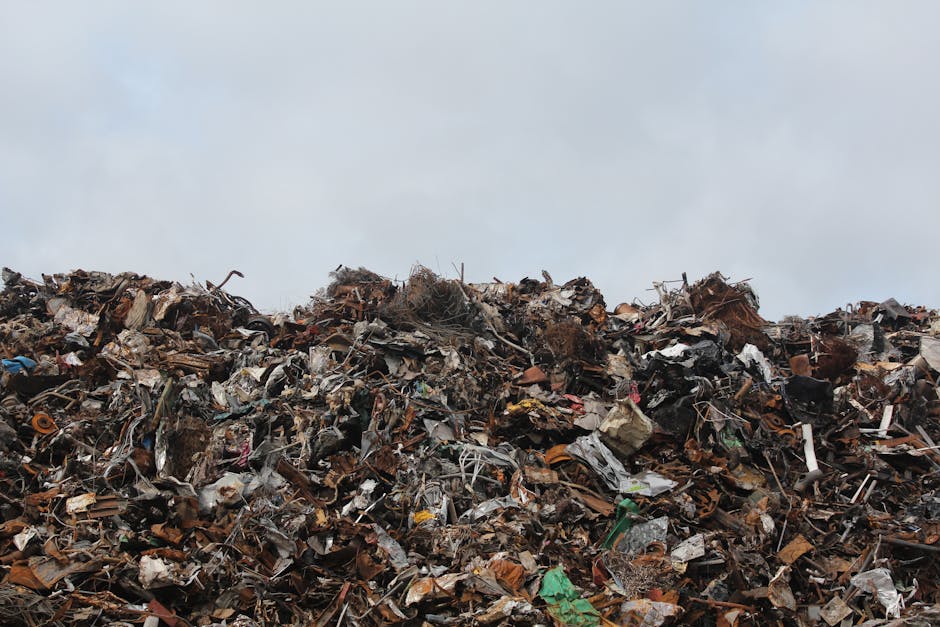
Image: GlobalBeat / 2026
UK Considers Police-Style Powers to Tackle Fly-Tipping Crisis
Ministers weigh warrantless searches and asset seizures to combat waste crime surge
📌 KEY FACTS
• Local authorities dealt with 1.1 million fly-tipping incidents in 2022-23, up 13% year-on-year
• Waste criminals could face warrantless premises searches and asset seizures under proposed powers
• Department for Environment, Food and Rural Affairs (Defra) reviewing current enforcement capabilities
• Formal consultation on new fly-tipping laws UK expected within six months
• Current maximum penalty for fly-tipping: £50,000 fine or 12 months prison sentence
England’s countryside verges and urban alleyways recorded their highest fly-tipping levels in a decade last year, with environmental crimes rising faster than burglary, assault or drug offences.
The unprecedented surge in illegal waste dumping has pushed ministers toward radical new enforcement tools that would transform how councils and environment agencies pursue waste criminals. Current disposal costs ranging £150-400 per tonne create powerful incentives for rogue operators to dump rather than process waste legally.
From Slap on Wrist to Prison Cell
Whitehall sources confirmed that Defra officials are examining granting local authorities powers similar to those used by police in serious criminal investigations. The package under consideration includes searching premises without warrants, freezing bank accounts, seizing vehicles used for dumping, and arresting suspects without immediate police involvement.
These measures would mark a dramatic shift from the current system where environmental health officers must secure court warrants and rely on police support for arrests. The proposed fly-tipping laws UK would place waste crime on par with serious financial fraud or organised drug trafficking in terms of investigative powers.
“We’re treating waste criminals as the organised racketeers they are,” a senior Defra official told GlobalBeat. “These aren’t cowboys with a van—they’re running multimillion-pound enterprises that poison communities and undermine legitimate business.”
The £400 Million Garbage War
Council budgets absorbed £18.5 million in clearance costs for large-scale fly-tipping incidents last year alone, according to Defra figures released in January. But those numbers mask the true economic impact, say council leaders, who estimate total costs including investigation, prosecution and lost tourism revenue at nearly £400 million annually.
The National Rural Crime Network reports that farmers spend £47 million yearly clearing dumped waste from private land, with some landowners facing repeated targeting by criminal gangs. Agricultural lands near motorways and major roads have become preferred dumping grounds, with culprits using GPS coordinates to meet waste producers at pre-arranged locations.
How Birmingham Became Ground Zero
The West Midlands recorded England’s highest fly-tipping rate at 34 incidents per 1,000 people, with Birmingham City Council handling 21,000 cases in 2022-23. The council’s environmental enforcement team has tripled in size since 2020 but still investigates less than 10 percent of reported incidents.
Councillor Majid Mahmood, cabinet member for environment at Birmingham City Council, said the proposed powers would transform their enforcement capability. “Currently we need weeks to build cases while criminals operate freely,” he explained. “Warrantless searches would let us catch them with evidence before it disappears.”
The region’s problems intensified when the council closed four household recycling centres in 2019, creating what investigators call “waste deserts” where residents must drive 12 miles or more to dispose of rubbish legally.
What’s Less Clear Is Whether Powers Alone Can Fix Market Failure
The numbers tell a different story about why waste criminals flourish despite existing penalties. Legal disposal costs for construction and demolition waste have risen 47 percent since 2020 while enforcement rates have declined 23 percent, creating what officials privately describe as a “perfect storm for illegality.”
Industry analysis suggests rogue operators charge £80-120 per tonne for waste removal versus £150-200 for legitimate disposal, guaranteeing profit margins exceeding 40 percent even after paying drivers and fuel. The proposed warrantless search powers would target these economics directly, allowing seizure of untaxed cash stockpiled by criminal networks.
When Your Garden Becomes a Dumping Ground
Sarah Mitchell, who farms 200 acres near Stoke-on-Trent, discovered 300 tonnes of asbestos-contaminated construction waste dumped across her fields last March. The cleanup cost £45,000—equivalent to her family’s entire annual farm income—and took six months while she battled insurance companies and environmental agencies.
“The criminals knew exactly what they were doing,” Mitchell explained. “They cut our fence at 2am, brought seven lorries, and spent two hours unloading. By the time we woke up, they were gone and we were left with a toxic legacy that could have bankrupted us.”
Her case remains unsolved despite CCTV footage showing vehicle registration numbers. Police told her the trucks were running on cloned plates purchased online for £50.
Europe’s Garbage Problem
The Netherlands introduced similar police-style powers for environmental crimes in 2021, resulting in a 34 percent reduction in large-scale dumping within two years. Dutch authorities can now conduct dawn raids on suspected waste operations and have seized €45 million in criminal assets since the legislation took effect.
Belgium and Germany are watching England’s proposals closely as they grapple with their own waste crime epidemics, driven partly by Eastern European criminal networks operating across EU borders despite post-Brexit restrictions. Europol estimates that waste crime generates €18 billion annually across Europe, making it among the most profitable environmental crimes.
Next Steps Toward Tougher Enforcement
Defra will launch a formal consultation on the new enforcement powers in June, with legislation expected to reach Parliament by autumn if public support proves strong. The proposed fly-tipping laws UK would require parliamentary approval but could face challenges from civil liberties groups concerned about warrantless search powers.
Conservative backbenchers have indicated support for the measures, while Labour’s shadow environment secretary has called for even stronger penalties including mandatory prison sentences for repeat offenders. The Scottish and Welsh governments are monitoring developments but have not committed to similar legislation.
England considers police-style warrantless search powers to combat record fly-tipping crisis costing councils £400 million annually
• Waste crime enforcement gaps
• Environmental crime prosecution rates