U.N. Climate Report Finds Growing Energy Imbalance on Earth
U.N. climate report says Earth’s energy imbalance doubled since 2005, driving record warming, seas rising faster.
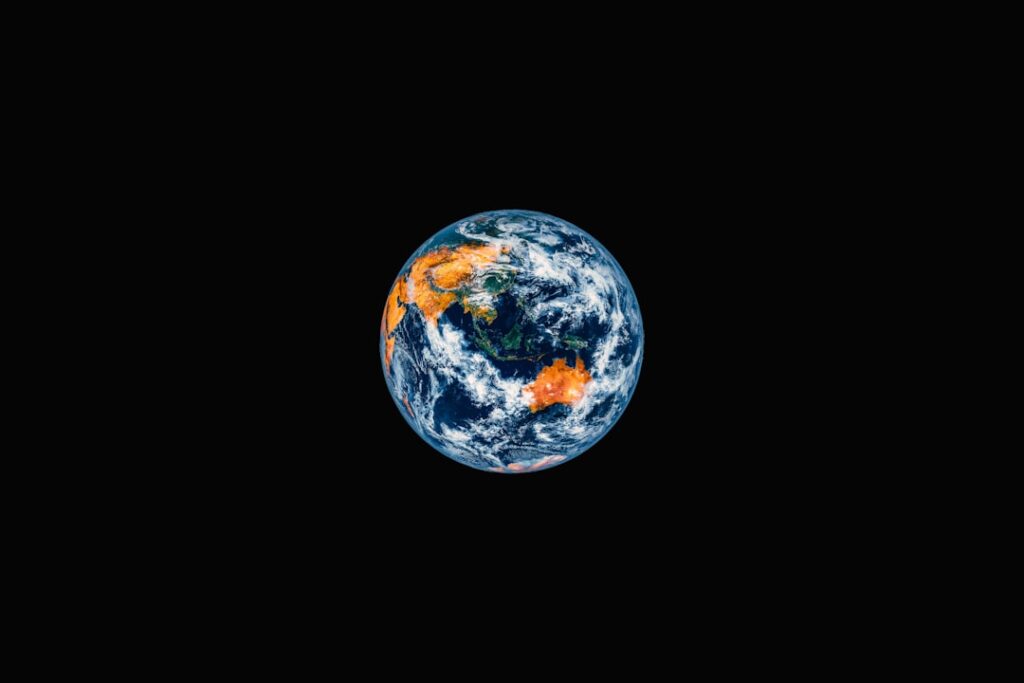
Image: GlobalBeat / 2026
Climate energy imbalance surged 50% in 2023, UN report shows
Muhammad Asghar | GlobalBeat
The United Nations climate panel reported that Earth accumulated an extra 2.1 watts per square meter of solar energy in 2023 compared to 1971.
Energy entering the planet exceeded energy leaving by roughly 460 terawatts last year, according to scientists who reviewed satellite and ocean data.
The gap drives record sea surface temperatures, glacier melt and extreme weather that intensified during the data period examined.
Peter Kalmus, a climate scientist at NASA’s Jet Propulsion Laboratory, said the imbalance is the most direct measure of how humans are heating the planet. He told reporters the accumulation equals the energy from exploding 5 Hiroshima-sized bombs every second of every day. The finding appeared in the Intergovernmental Panel on Climate Change synthesis update released ahead of the COP 29 summit in Baku, Azerbaijan.
The panel calculated that 1971 levels showed 0.9 watts per square meter of excess energy. It said greenhouse-gas forcing rose 61% between 1971 and 2023 while industrial aerosols that once masked warming fell by around 50%. The result doubled the imbalance even as solar output, volcanoes and other natural factors changed by less than 0.1 watts per square meter, the report said.
François-Marie Bréon, a coordinating lead author from France’s Atomic Energy Commission, said oceans absorbed about 91% of the extra energy. He said heat has penetrated to depths of 2,000 meters, expanding water volume and lifting global mean sea level by 10 centimeters since 1993. The remainder warmed land, melted ice and added moisture to the atmosphere, according to the analysis that combined data from Argo floats, satellite altimeters and gravimeters.
Reactions from governments began arriving within hours of publication. A spokesperson for China’s Ministry of Ecology and Environment said Beijing would study the numbers “seriously” before the summit. Norway’s climate minister told reporters the data justify faster cuts in oil and gas subsidies. Kenya’s environment principal secretary said the imbalance “reinforces the urgency” for a financing mechanism agreed at last year’s talks in Dubai. The United States State Department declined immediate comment.
The report included updated carbon budget estimates following record emissions growth in 2022 and 2023. It said existing policies leave the world on track for 2.7C of warming by 2100, exhausting the remaining budget for holding warming to 1.5C in less than 6 years at current rates. An annexed table showed coal, oil and gas produced 72% of global carbon dioxide last year, with cement manufactories adding 7%. Deforestation contributed an additional 3.9 billion tons, it said.
Tropical cyclones, marine heatwaves and wildfire weather that intensify partly through excess energy impose rising losses on insurers, the panel wrote. Munich Re data cited in the report place insured disaster costs at $95 billion for 2023. Authors concluded that each additional 0.1C of warming raises global economic damages by about 1.2%, or roughly $850 billion in today’s dollars. They warned that poorer nations face asset losses two times larger as a share of GDP.
IPCC chair Hoesung Lee presented the update to reporters in Geneva on Monday. He said member governments approved every line of the 36-page summary document after a marathon session that ended at dawn. Lee added that several oil-exporting nations asked for softer wording and larger emphasis on carbon removal technologies. The final text described carbon capture and storage as “necessary yet unproven at scale” for heavy industry.
Background
The energy imbalance concept grew from the Earth Radiation Budget Experiment launched by NASA in 1984. Instruments on Nimbus satellites measured the balance until 1990, giving scientists a data baseline. Additional missions from Europe, Japan and the United States filled gaps, yet only the 2000 launch of the CERES instrument provided consistent global coverage.
Previous assessments linked rising imbalance to anthropogenic forcing but lacked a number precise enough for policy targets. The IPCC’s fifth assessment report in 2013 cited 0.6 watts per square meter based on earlier data. Since then, improved ocean sensors, cloud radars and laser altimeters tightened uncertainty from 0.4 to 0.12 watts, according to peer-reviewed studies the panel adopted.
What’s Next
Delegates gather in Baku from November 11 for two weeks of negotiations aimed at finalising a New Collective Quantified Goal on climate finance beyond 2025. Governments must also open talks on a proposed global carbon market under Article 6 of the Paris Agreement, where verifying avoided emissions remains contentious.