Trump claims tankers headed to US to load up on oil in morning Truth Social rant
Trump says foreign tankers are en route to the U.S. to load oil, citing no evidence.
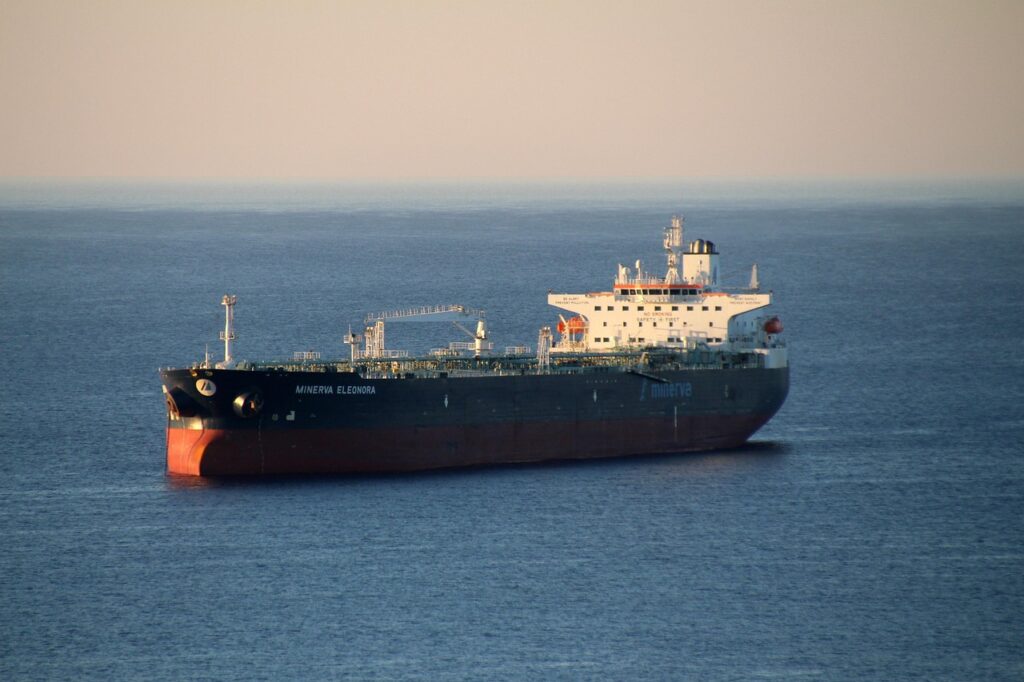
Image: GlobalBeat / 2026
Trump oil tankers: President claims foreign ships swarm US ports for cheap crude
Muhammad Asghar | GlobalBeat
Donald Trump declared Tuesday morning that “massive tankers” from China and Europe are “lining up” at American ports to load discounted US oil.
The 47th president offered no evidence for the claim posted at 7:43 a.m. on Truth Social.
Crude exports are legal and routine, but Trump’s framing casts them as a giveaway that harms domestic motorists. His administration has spent three weeks blaming global markets for gasoline averaging $3.71 nationwide, up 14 cents since Inauguration Day.
“China, Europe, and others are sending massive Tankers to the USA to load up with our Liquid Gold,” Trump wrote. “We are selling it to them at a big discount, while our consumers pay high prices at the pump. THIS WILL STOP!”
The White House did not respond to questions about which ports the ships allegedly visited, how many vessels were involved, or what discount Trump referenced. The Department of Energy had no immediate comment.
US crude has traded at a $4- to $6-per-barrel discount to Brent for most of 2026, a spread that already encourages foreign buyers. Tanker tracking data from Kpler shows 21 very-large-crude-carriers left the Gulf Coast for Asia and Europe in the past seven days, a typical weekly volume.
Oil analysts dismissed the post as fantasy. “There is no sudden armada,” said Reid I’Anson of Rapidan Energy. “Exports are running at 4.2 million barrels per day, right where they were last month.”
Trump’s rhetorical pivot to exports follows two weeks of attacks on OPEC. Last week he demanded the cartel “bring prices down fast” and threatened 25% tariffs on member shipments. Gasoline futures dipped 2 cents then rebounded.
Domestic production hit 13.4 million barrels per day in March, an all-time record. The surplus of light sweet crude in the Permian Basin has kept Midland-grade crude roughly $5 below waterborne Brent, a differential that makes US barrels attractive overseas.
Refiners along the Gulf Coast process heavier grades, leaving lighter streams available for export. The arrangement keeps American refineries running near 92% capacity while allowing producers to clear excess supply.
Presidents have limited tools to block private companies from selling crude abroad. Congress lifted the 40-year export ban in 2015. Re-imposing restrictions would require legislation or a national-security declaration that could trigger WTO challenges.
Energy executives watching the posts sounded alarms about policy whiplash. “We invest on 20-year horizons, not morning tweets,” one refiner told reporters on condition of anonymity. “If the rules change weekly, capital dries up fast.”
Markets shrugged. West Texas Intermediate crude for June delivery fell 8 cents to $69.82 on the New York Mercantile Exchange, tracking a weaker dollar rather than export rhetoric. Shares of ExxonMobil and Chevron eked out small gains.
Democrats pounced on the confusion. “The president thinks tankers are looting Texas like pirates,” Senator Sheldon Whitehouse wrote on X. “He could lower gas prices tomorrow with a pause on his 10% China tariff that adds $0.30 to every gallon.”
The White House has weighed releasing oil from the Strategic Petroleum Reserve ahead of the summer driving season, according to two people familiar with discussions. Such a move would echo Biden-era drawdowns that Trump labeled “a gimmick” during the 2024 campaign.
Gasoline demand typically peaks between Memorial Day and July 4. The Energy Information Administration forecasts national average pump prices will slide toward $3.50 by August as refiners finish maintenance and switch to cheaper winter-grade fuel in September.
Background
Congress ended the crude-export ban in December 2015 after a decade-long shale boom left America awash in light oil ill-suited to domestic refineries built for heavier grades. Exports have surged from 400,000 barrels per day that year to more than 4 million today, turning the United States into the world’s largest supplier alongside Saudi Arabia and Russia.
Trump backed the ban’s removal while campaigning in 2016, arguing it would create jobs and reduce the trade deficit. He praised exports as “tremendous for our economy” during a 2018 visit to Texas. Tuesday’s post marks his first suggestion that shipments hurt consumers.
What’s Next
The White House is scheduled to host oil CEOs on Thursday for what aides bill as a “listening session” on gasoline prices. Executives plan to stress that new export restrictions would backfire by trapping surplus barrels inland, cutting wellhead prices and forcing drillers to curb output, according to briefing notes seen by GlobalBeat.
Senior Correspondent, World & Geopolitics
Muhammad Asghar covers international affairs, conflict zones, and US foreign policy for GlobalBeat. He has reported on events across the Middle East, South Asia, and Eastern Europe, with a focus on the intersection of diplomacy and armed conflict. He has been writing wire-service journalism for over a decade.