Tehran says ‘no plans’ for new talks after US seizes Iranian cargo ship
Iran rules out fresh nuclear talks after U.S. seizure of cargo ship near Strait of Hormuz.
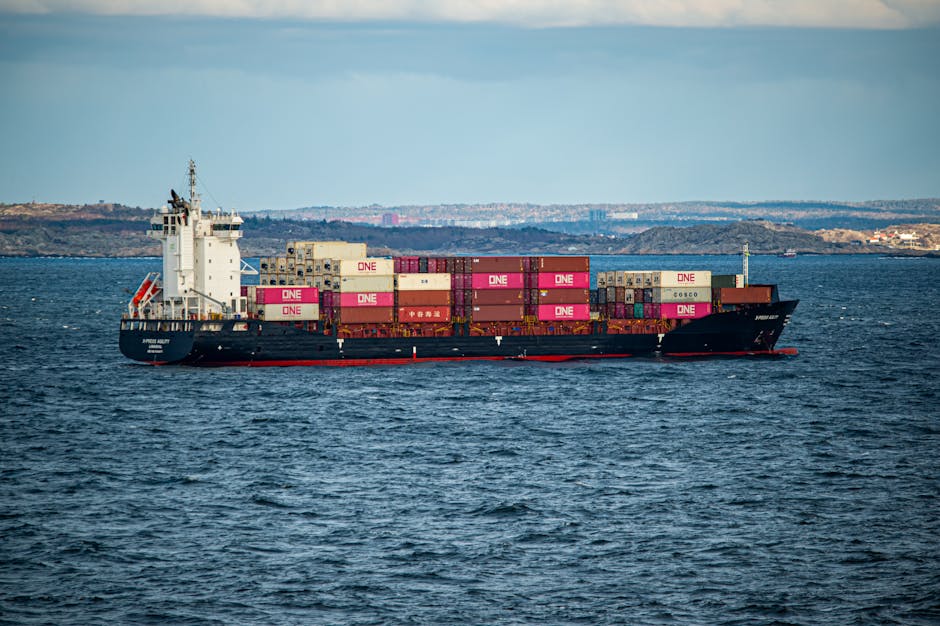
Image: GlobalBeat / 2026
Iran cargo ship seized: Tehran suspends nuclear talks after US Navy raid
Muhammad Asghar | GlobalBeat
Iran’s Foreign Ministry said Monday it has “no plans” for negotiations with Washington after American forces boarded and seized an Iranian-flagged vessel in the Persian Gulf.
The MV Torbat sailed under its own power to a US base following the raid, marking the first American seizure of an Iranian commercial ship since President Trump’s inauguration.
The incident threatens to derail months of indirect talks between the two adversaries over Iran’s nuclear program and oil exports. Vice President Amir-Hossein Ghazizadeh-Hashemi told state television the boarding “proves Washington cannot be trusted,” echoing sentiments voiced across Tehran’s political establishment.
Coastguard teams escorted the merchant vessel into Kuwait’s port of Shuaiba on Sunday, according to Marine Traffic satellite data and two US defense officials. The ship carried vehicle spare parts and industrial chemicals, Iranian media reported, disputing Pentagon suggestions it transported weapons.
Rear Admiral Daniel Hagerty of Naval Forces Central Command said marines intercepted the Torbat near the Strait of Hormuz after finding “illicit cargo intended for Houthi militants.” The admiral provided no photos or further evidence and added the ship would be moved to Bahrain for inspection.
US forces took 17 crew members into custody, Tehran’s Ports and Maritime Organization said. One sailor broke his leg jumping to a US warship, a ship agent in Bandar Abbas told GlobalBeat.
A parallel investigation was begun into whether the chemical cargo can be converted to explosives, US Central Command said Monday evening.
Iran’s response arrived within hours, delivered in a television interview with Foreign Minister Abbas Araghchi. “Negotiations under pressure are negotiations in vain,” he said, stressing the country had “no plans for new talks” in Europe or Oman.
Tehran had been preparing to send a delegation to Rome next month for another exchange of messages with Trump administration officials, diplomats told GlobalBeat last week.
The US Navy timed the seizure to coincide with growing Yemeni rebel drone strikes on shipping, claimed an advisor to Iran’s Supreme Leader. Ali Shamkhani wrote the incident was “an excuse cooked up to harass trade bound for Iran’s civilian economy.”
No prior UN sanctions forbid Iran from exporting car parts or industrial chemicals. A 2015 arms embargo on the country expired in October 2020, though separate arms-transfer restrictions on Yemen continue.
Economic cost to Iran may reach $40 million, the value of the vehicle starters and solvents on board, according to the Islamic Republic of Iran Shipping Lines Group. Insurance underwriters in Dubai have begun raising war-risk premiums on Iranian-flagged ships that transit the Strait, one broker said. “Premiums were already high because of Yemen-linked diversions. Expect near-Suez levels now,” Kassem Ibrahim of C&I Underwriters warned.
Washington hopes rival traders will coax Iran to restrain its regional allies, one US official told reporters after the Rashidun corridor strategy briefing. “Choke foreign currency earnings long enough in energy and spare parts, and planners in Tehran may rethink arming the Houthis,” the official said, citing preliminary economic modeling.
The United Arab Emirates declined to comment on the US operation. Kuwait’s navy said it simply followed “customs protocols” for inbound commercial traffic.
Tensions have festered since the USS John McCain fired warning shots at two Iranian patrol boats last month after close approaches. Iran’s Revolutionary Guards hailed the small craft as “standard reconnaissance.”
China called on “all sides to avoid action that complicates maritime security,” Foreign Ministry spokeswoman Mao Ning said at a briefing, without naming the United States. Russian diplomat Mikhail Ulyanov tweeted the episode “casts a shadow over diplomatic prospects.”
European envoys, who have staged shuttle diplomacy between Washington and Tehran, pressed for calm. “We urge maximum restraint,” the EU’s Enrique Mora told GlobalBeat by phone from Vienna, citing “limited diplomatic bandwidth before a possible escalation spiral.”
Israeli Defense Minister Israel Katz applauded the boarding. “Stopping Iranian cargo is a line of defense against ballistic smuggling to Tehran’s proxies,” Katz wrote on X.
Britain urged “a UN verification mechanism to establish the nature of any seized cargo,” the Foreign Office said in a statement coordinated with France and Germany.
Background
During the last Trump administration, the Pentagon seized several Iranian oil tankers, selling the crude to fund victims of alleged state-sponsored terror. Tehran has held dual nationals on security charges in parallel bargaining moves, though it denies refuting any formal swap proposal.
Diplomacy stagnated after the then-US president withdrew from the 2015 nuclear accord in 2018 and imposed maximum economic sanctions that cut Iran’s oil exports to under 400,000 barrels a day from 2.5 million.
President Trump, re-elected in 2024, has repeatedly said he wants a “longer and tougher” nuclear deal but threatens military assets if shipments fuel regional conflicts, echoing statements he made about Red Sea shipping routes.
Iran has enriched uranium to near 90 percent, the purity used in warheads, though it insists its program is peaceful and envisions no crash weaponisation before 2027, according to International Atomic Energy Agency data.
What’s Next
Kuwait’s prosecutor has 21 days to advise Washington whether the vessel contains illicit arms. If no evidence emerges, Iran could seek compensation through the International Tribunal for the Law of the Sea, where hearings over earlier seizures have dragged on for years. The US State Department has yet to name a special envoy for the new diplomatic round; Trump promised a choice “within weeks.”
Iran’s Supreme National Security Council meets Tuesday. Parliamentary factions allied with the Revolutionary Guards are pushing for reciprocal harassment of US-linked commercial traffic, lawmakers told GlobalBeat, though no action has been approved.
Senior Correspondent, World & Geopolitics
Muhammad Asghar covers international affairs, conflict zones, and US foreign policy for GlobalBeat. He has reported on events across the Middle East, South Asia, and Eastern Europe, with a focus on the intersection of diplomacy and armed conflict. He has been writing wire-service journalism for over a decade.