The UK faces growing climate threats
UK climate advisers warn adaptation efforts lag escalating flood, heat and water risks.
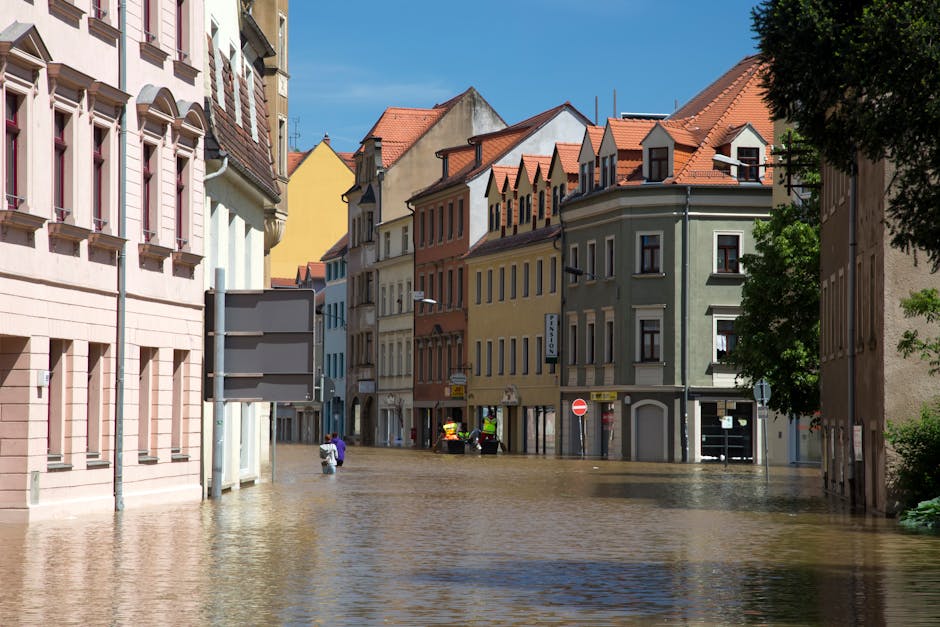
Image: GlobalBeat / 2026
UK climate threats surge as adaptation plans lag 3 years behind
Muhammad Asghar | GlobalBeat
Britain’s flood defenses protect just 1 in 5 at-risk homes while heatwave deaths hit 4,500 last summer.
The Committee on Climate Change warned ministers that current adaptation efforts “fall far short” of what warming projections demand.
UK climate threats have intensified faster than policy responses. The panel’s 2026 progress report, released Tuesday, found only 5 of 61 adaptation targets on track.
Summer temperatures now exceed 40°C regularly. London’s ambulance service logged 2,800 heat-related callouts in July alone. The Met Office projects such summers occurring every other year by 2050 without sharper emissions cuts.
Coastal erosion accelerates. Yorkshire lost 10 meters of cliff in 12 months at Skipsea. Insurance claims for flood damage reached £573 million in 2025, the Association of British Insurers reported.
Baroness Brown chairs the adaptation committee. “We keep writing reports. Governments keep nodding. Nothing changes,” she told reporters in Westminster. “The gap between risk and readiness widens each year.”
Storm Babet devastated eastern Scotland in October 2025. Three people died in flooded homes. Aberdeen’s airport closed for 48 hours. Rail lines remained impassable for weeks.
The committee calculates that every £1 spent on adaptation saves £4 in avoided damage. Current spending totals £1.2 billion annually against an estimated £5 billion need.
Farmers face shifting rainfall patterns. Wheat yields dropped 12% in 2025’s drought. Potato farmers irrigated fields through December, adding £14,000 per farm in pumping costs.
Water restrictions loomed. Thames Water imposed hosepipe bans across 8 counties. Reservoir levels fell to 43% capacity, the lowest March reading since 1976.
Marine heatwaves trigger ecosystem collapse. Kelp forests off Sussex declined 96% since 2020. Native oyster populations plummeted 95%, according to University of Portsmouth surveys.
The Treasury rejected emergency adaptation funding in March. Chancellor Jeremy Hunt’s spring statement allocated £200 million extra, less than half what environment agencies requested.
Local councils begged for resources. Hull needs £142 million to complete flood barriers started in 2019. Construction halted when funds dried up.
Green Party MP Caroline Lucas pressed ministers during climate questions. “They’re fiddling while Britain floods,” she said. “Every delay compounds future costs.”
Opposition parties united on adaptation. Labour’s Ed Miliband pledged £3 billion annual adaptation investment. The Liberal Democrats promised £4 billion focused on nature-based solutions.
What Ministers Say
Environment Secretary Steve Barclay defended progress. “We’ve committed £11.5 billion since 2015,” he told Parliament. “Thousands of properties gained protection.”
Official figures show 156,000 homes better protected since 2015. Yet 1.4 million remain at significant flood risk. The committee says protection standards must rise 40% to match climate projections.
Planning rules still allow development on flood plains. Ministers approved 10,000 new homes in high-risk zones in 2025. Insurance premiums for these properties average £2,400 yearly.
Nature-based solutions expand slowly. Just 3,200 hectares of wetland restored against a 100,000-hectare target by 2030. Peatland restoration funding fell £50 million short last year.
Urban heat islands intensify. Manchester recorded 8°C higher temperatures than surrounding countryside during July’s heatwave. Greater Manchester’s mayor demands compulsory green roofs.
The National Infrastructure Commission warned power grids risk failure. Transformers overheated in 2025’s heatwave, cutting electricity to 75,000 London homes. Underground cables face flooding threats.
Transport systems buckle. Rail tracks warped at 52°C. Roads melted across 3,000 miles. Heathrow cancelled 60 flights when runway surfaces deteriorated.
The Bank of England stress-tested banks for climate risk. Lloyds faces £3.2 billion potential losses from mortgage defaults on flood-prone properties by 2035.
Background
Britain warmed 1.2°C since pre-industrial times. The Met Office projects 4°C warming by 2100 without global emissions cuts. Sea levels rise 3.4mm annually, double the 20th-century rate.
Parliament passed the Climate Change Act in 2008 creating the adaptation committee. Five-year adaptation programs followed in 2013, 2018 and 2023. Implementation lags behind every target cycle.
What’s Next
Ministers must respond to the committee’s report by September. Labour has scheduled opposition day debates on adaptation funding for June. The Environment Agency publishes its 10-year strategy in October with updated protection standards.
Senior Correspondent, World & Geopolitics
Muhammad Asghar covers international affairs, conflict zones, and US foreign policy for GlobalBeat. He has reported on events across the Middle East, South Asia, and Eastern Europe, with a focus on the intersection of diplomacy and armed conflict. He has been writing wire-service journalism for over a decade.