Trump news at a glance: Marco Rubio hopes for ‘serious offer’ from Iran on ceasefire proposal
Rubio says Trump team awaits Irans response to U.S. ceasefire plan amid Gaza conflict talks.
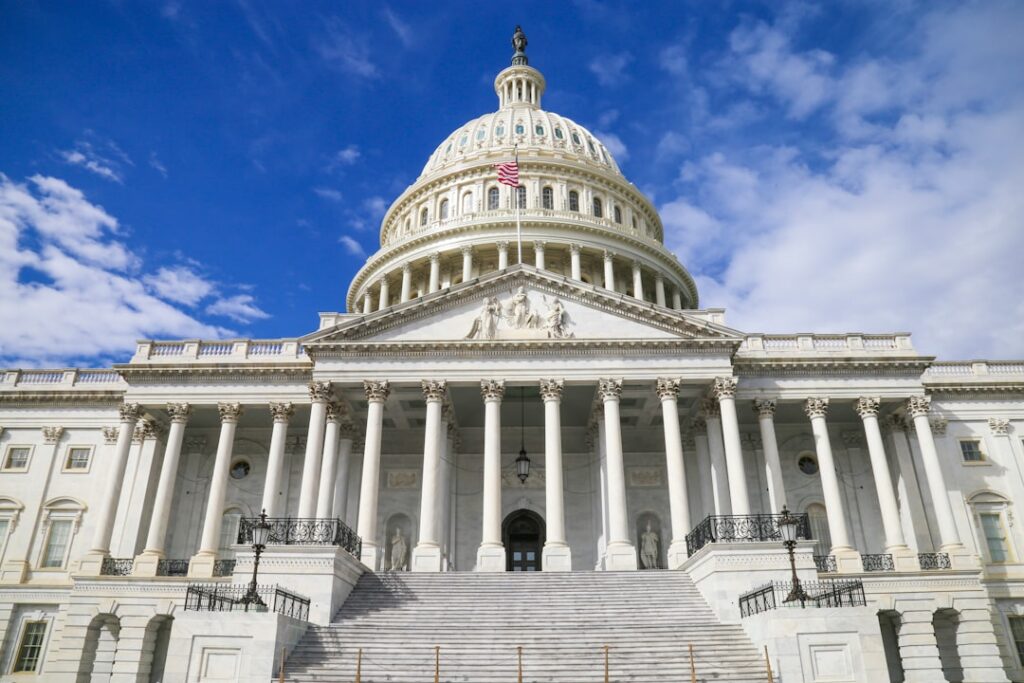
Image: GlobalBeat / 2026
Trump Iran ceasefire: Marco Rubio demands Tehran respond to US proposal within days
Muhammad Asghar | GlobalBeat
Secretary of State Marco Rubio said Monday that the United States is waiting for Iran to make a “serious offer” on a proposed ceasefire that would halt attacks on American forces across the Middle East.
The White House sent the ceasefire proposal to Tehran last week through Swiss intermediaries after Iranian-backed militias launched 12 rocket attacks against US positions in Iraq and Syria since April 20, wounding 9 American service members.
Rubio’s comments mark the first public confirmation that Washington is actively seeking a truce arrangement with Iran amid escalating tensions in the region. The initiative represents a shift from President Donald Trump’s previous “maximum pressure” approach toward Tehran, though administration officials insisted the sanctions regime would remain intact during any potential ceasefire period.
The secretary spoke to reporters aboard his plane en route to Brussels for emergency NATO consultations on Iranian activities. He declined to provide specifics about the American proposal but indicated it contained “concrete steps” that Iran could take to reduce hostilities. Rubio emphasized that time was running short for diplomatic resolution. “We need to see something real from them,” he said. “Not more words. Actions.”
Iran’s UN mission in New York did not immediately respond to questions about the ceasefire offer. Iranian Foreign Minister Abbas Araghchi said earlier Monday that Tehran would “study any proposal that respects Iran’s interests” but accused the United States of maintaining a “hostile posture” through ongoing military deployments near Iranian waters.
The ceasefire push comes as US intelligence agencies warned that Iran has moved additional ballistic missiles to coastal launch sites in recent days, raising fears of potential attacks on American naval vessels. Defense officials said the USS Abraham Lincoln carrier group has maintained its position in the northern Arabian Sea as a deterrent.
Background
Trump’s relationship with Iran has followed a dramatic arc since his first term, when he withdrew from the 2015 nuclear agreement and imposed crushing sanctions that cut Iranian oil exports by 80 percent. The two nations came to the brink of open conflict in January 2020 after a US drone strike killed Iranian General Qassem Soleimani in Baghdad.
The current flare-up began April 15 when Iran’s Revolutionary Guard seized a Marshall Islands-flagged oil tanker near the Strait of Hormuz, claiming it collided with an Iranian vessel and fled the scene. The US Navy later escorted the commercial vessel to safety, but subsequent rocket attacks by Iranian proxies prompted American retaliation against weapons depots in eastern Syria.
The cycle of violence intensified after an April 28 explosion at Iran’s Isfahan military complex, which Tehran blamed on Israel but which regional analysts said bore hallmarks of previous US operations. Iran responded with its largest missile barrage against US positions since 2020, forcing hundreds of American personnel into bunkers for several hours.
What’s Next
Rubio said the administration expects an Iranian response “within days, not weeks” and indicated Washington could escalate military action if no positive signals emerge. NATO ambassadors are scheduled to meet Wednesday to discuss potential alliance support for US operations, while Congressional leaders have requested a classified briefing on Iran strategy before the Memorial Day recess.
The administration’s diplomatic gambit carries political risks nine months into Trump’s second term, with many Republican hawks opposing any accommodation with Tehran. Senator Tom Cotton told reporters that a ceasefire “must not reward Iranian aggression” and called for expanding sanctions instead. Democratic lawmakers urged Trump to revive nuclear negotiations, arguing that diplomacy offers the only sustainable path to regional stability.
Defense Secretary Pete Hegseth emphasized that American forces “remain postured for any contingency” while diplomatic efforts continue. Military planners have prepared options ranging from additional strikes on proxy positions to more aggressive naval interdiction of Iranian vessels attempting to evade sanctions through clandestine oil transfers.
Regional powers are watching closely for signs of broader realignment. Saudi Arabia and the United Arab Emirates, which normalized relations with Israel last year, have privately urged restraint while fearing Iranian retaliation against their oil infrastructure. Israeli officials, meanwhile, have expressed concern that any US-Iran arrangement could constrain their ability to strike Iranian nuclear facilities.
European diplomats said they received no advance warning of the ceasefire proposal but welcomed efforts to reduce tensions. The European Union’s foreign policy chief has offered to host indirect talks between Washington and Tehran, building on previous negotiations that produced the 2015 nuclear deal that Trump abandoned.
Senior Correspondent, World & Geopolitics
Muhammad Asghar covers international affairs, conflict zones, and US foreign policy for GlobalBeat. He has reported on events across the Middle East, South Asia, and Eastern Europe, with a focus on the intersection of diplomacy and armed conflict. He has been writing wire-service journalism for over a decade.