Trump says deal with Iran, including opening Strait of Hormuz, is ‘largely negotiated’
Trump claims U.S.-Iran deal on Hormuz is largely negotiated, Tehran silent, White House offers no details.
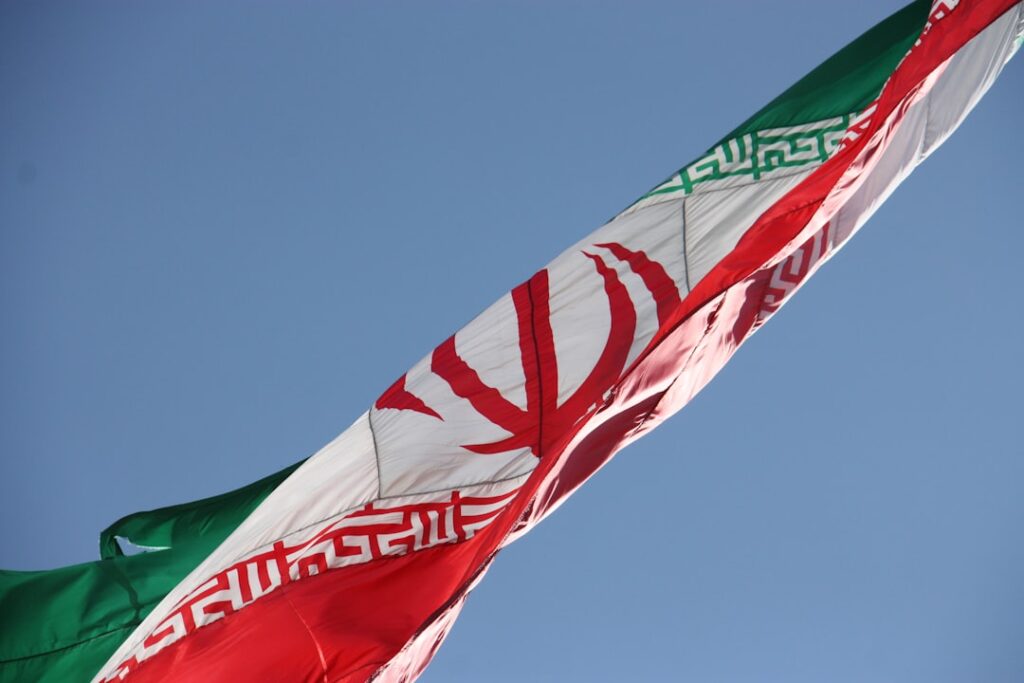
Image: GlobalBeat / 2026
Trump Iran deal: President claims Hormuz Strait reopening pact ‘largely negotiated’ with Tehran
Muhammad Asghar | GlobalBeat
President Donald Trump told reporters at the White House that his administration has “largely negotiated” a deal with Iran that would reopen the Strait of Hormuz to commercial traffic after weeks of military confrontation.
The president offered no written text, timeline, or named Iranian counterpart for the claimed agreement, which if genuine would mark the first bilateral accord between Washington and Tehran since Trump withdrew from the 2015 nuclear deal.
The Strait handles roughly 20 percent of the world’s seaborne oil trade and has been effectively closed since Iranian Revolutionary Guard speedboats attacked 2 tankers on 29 April, prompting a US-led naval blockade and daily air strikes on coastal missile sites. Brent crude surged above $130 a barrel after the closure and remains near $125, adding an estimated $1.20 to the average US gasoline price.
Trump spoke in the Roosevelt Room after signing a veterans’ health bill. “We have a deal. It’s largely negotiated,” he said. Asked whether Supreme Leader Ali Khamenei had approved the terms, the president replied: “They want it. We want it. The boats will move again very soon.” He declined to say whether sanctions relief was offered, repeating only: “We’ll have something to announce, I think, within the next short period of time.”
National Security Adviser Walt Cummings, standing three steps away, told reporters he was “not aware of any finalized text” and referred questions to the State Department. A senior State official, speaking on condition of anonymity, said “discussions continue” but added that “no document has been initialed.” Iranian state media carried no mention of a deal and the foreign ministry in Tehran did not respond to a written request for comment.
Oil markets shrugged. Front-month Brent eased 40 cents to $124.70 in after-hours electronic trading, while West Texas Intermediate held at $121. Shipping insurers in London said they would not lift war-risk premiums on Hormuz voyages until they saw “concrete naval escort orders” from the US Fifth Fleet. “A tweet isn’t a transit guarantee,” one Lloyd’s underwriter said.
Congressional reaction split along party lines. Senator Tom Cotton, Republican of Arkansas, welcomed “any move that reopens the waterway without paying Tehran a ransom,” while Senator Chris Murphy, Democrat of Connecticut, warned that “phantom deals announced on camera can turn into real hostage giveaways later.” House Foreign Affairs Chairman Michael McCaul’s office said members had received no classified briefing on an accord.
The strait, only 21 nautical miles wide at its narrowest, became a flashpoint after Iran demanded fresh guarantees that South Korea release $7 billion in frozen oil revenue. When Seoul offered only humanitarian channels, IRGC navy units boarded the Marshall Islands-flagged里士满 Voyager on 29 April and set limpet mines on the hull of the Bahamian-flagged鸭绿江 Spirit. US destroyers responded with helicopter gunfire, killing 6 Iranians, and the cycle escalated. Since then the Pentagon has flown more than 120 sorties against coastal radar stations, destroying an estimated 18 mobile launchers.
Energy analysts caution that even a reopened strait may not restore full flows. “Tanker owners need indemnity cover, crews need reassurances, charterers need time,” said Anoop Singh of Braemar shipping consultants. The International Energy Agency estimates 450,000 barrels per day of Kurdish and Iraqi crude remain stranded at Khor Fakkan anchorage, while Qatar’s LNG terminals have cut loadings by 30 percent.
European diplomats, sidelined since European Union foreign-policy chief Josep Borrell’s mediation effort collapsed in March, expressed skepticism. “We’ve seen movie trailers before,” one French envoy quipped, recalling Trump’s 2019 claim that Japan would negotiate on America’s behalf. Britain’s Foreign Office urged “verifiable de-escalation” and offered Royal Navy escorts once insurers lower premiums.
Background
Trump quit the 2015 Joint Comprehensive Plan of Action in 2018 and imposed a “maximum pressure” sanctions campaign that cut Iranian oil exports from 2.5 million barrels per day to under 400,000. Tehran responded by abandoning enrichment limits, stockpiling uranium enriched to 60 percent, and accelerating the naval harassment that predates the 1980s tanker war. Direct talks between the two capitals have occurred only once since, a brief Oman-brokered channel in 2023 that ended without communique.
The Strait of Hormuz has been designated an “internationally vital waterway” by every US president since Jimmy Carter, whose 1980 doctrine pledged military force to keep Gulf oil flowing. Iran’s shoreline dominates the northern entrance; Oman and the UAE control the southern. During the 1987-88 reflagging operation the US Navy re-registered Kuwaiti tankers as American vessels and fought a day-long surface battle that destroyed two Iranian frigates. The memory still shapes Revolutionary Guard doctrine of swarm speedboat attacks and shore-based missiles.
What’s Next
The Pentagon has scheduled a convoy test for Monday, when the guided-missile cruiser Philippine Sea will shepherd two empty Greek tankers southbound through the strait. If no Iranian interference occurs, officials say wider transit windows could open within 72 hours, though insurers demand a seven-day incident-free streak before cutting rates. Tehran’s parliament must also approve any sanctions relief, and the speaker has already warned against “trading sovereignty for oil money.”
A signed deal would give Trump a foreign-policy win just as the 2026 mid-term campaign season begins, yet failure could provoke hawks in both capitals who argue that only sustained economic pain or outright naval victory will secure their aims. The next clue will come at dawn Saturday when Iran’s weekly naval broadcast updates the list of prohibited zones. If the coordinates shrink, diplomats say, a quiet accord may already be inked; if they expand, the president’s televised claim could dissolve into another round of gunboat diplomacy.
Senior Correspondent, World & Geopolitics
Muhammad Asghar covers international affairs, conflict zones, and US foreign policy for GlobalBeat. He has reported on events across the Middle East, South Asia, and Eastern Europe, with a focus on the intersection of diplomacy and armed conflict. He has been writing wire-service journalism for over a decade.