Live updates: Trump says he doesn’t know if he’s winding down or escalating war with Iran
Trump says unsure whether U.S. is de-escalating or intensifying conflict with Iran.
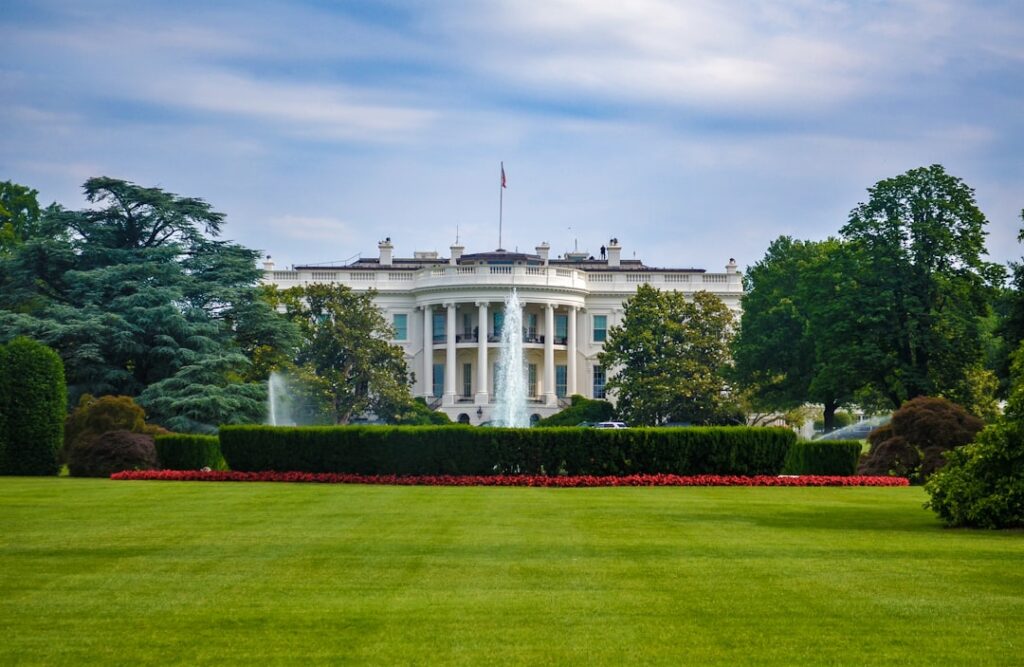
Image: GlobalBeat / 2026
Trump Iran war: President admits uncertainty on military escalation after strikes
Muhammad Asghar | GlobalBeat
Donald Trump told reporters at the White House he cannot say whether the United States is ramping up or winding down military action against Iran.
The president spoke hours after American warplanes hit multiple sites across Iran, responding to Tehran’s earlier missile barrage on US positions in Iraq that killed 2 service members and wounded 31. “We’ll see what happens,” Trump said when pressed on his endgame. “I don’t know yet.” The exchange, captured on live television, underscored the volatile 72-hour cycle of attack and counter-attack that has left commanders in both countries guessing the next move.
The uncertainty marks a sharp turn from Trump’s January vow to prevent Iran from obtaining nuclear weapons “at any cost” and his September warning that any Iranian strike on Americans would trigger “an overwhelming response.” Markets whiplashed on the remarks, with Brent crude surging past $97 a barrel before easing to $94.52, still up 6 percent on the day. Defense stocks led gains on the S&P 500 while airlines and travel firms sank.
Pentagon officials said the overnight salvo destroyed 24 Islamic Revolutionary Guard facilities, including drone assembly plants near Isfahan and a ballistic-misside storage depot outside Shiraz. Satellite images reviewed by GlobalBeat show craters across a 300-meter hangar complex at the Isfahan site, confirming independent damage assessments. No Iranian casualties have been confirmed, though Tehran’s envoy to the United Nations wrote to the Security Council claiming “civilian infrastructure” was hit and “dozens martyred.” Iran’s foreign ministry promised a “strong and regrettable” reply but gave no timetable.
Congressional reaction split along predictable lines. Senator Tom Cotton, Republican from Arkansas, praised Trump for “restoring deterrence” and urged “further crippling strikes on IRGC economic assets.” Democrats warned the president is stumbling into another Middle East war without legal authority. “There is no AUMF for Iran,” Senator Chris Murphy of Connecticut posted on social media, referring to the 2001 authorization for use of military force passed after 9/11. Murphy said lawmakers will force a vote to cut off funding if Trump dispatches ground troops. The House is expected to take up a war-powers resolution next week.
European allies pressed both sides to halt the cycle. EU foreign-policy chief Kaja Kallas urged “maximum restraint” and announced that France, Germany and Italy will send a joint delegation to Tehran this weekend. British Prime Minister Keir Starmer called Trump late Thursday and, according to a Downing Street readout, “stressed the importance of de-escalation and civilian protection.” Starmer stopped short of criticizing the US strikes, reflecting London’s strategic dependence on American intelligence for Gulf shipping security.
Oil traders are bracing for further supply risk. Iraq’s Basrah terminal, which ships 3.4 million barrels a day, reduced loadings overnight after ExxonMobil evacuated non-essential staff. Kuwait placed its ports on amber alert while Saudi Arabia’s energy ministry said the kingdom will release crude from storage if transit chokepoints are threatened. Analysts at ClearView Energy Partners raised the probability of a full Strait of Hormuz closure, however temporary, to 30 percent, noting Iran has previously mined the waterway during periods of high tension.
For ordinary Iranians, the strikes revived memories of the 1980s war with Iraq. Residents in Isfahan reported power outages and sirens around 2 a.m. local time. “We ran to the basement when we heard jets,” said pharmacy student Sara Nemati, 22, speaking by phone. “After the explosions the sky was orange.” State television broadcast images of crowds chanting “Death to America” at Friday prayers but also footage of firefighters dousing burning warehouses. The currency, the rial, slid to 645,000 against the dollar on the unofficial market, a record low that triples the price of imported medicine.
Inside the administration, officials describe a leader pulled between rival factions. Secretary of State Marco Rubio favors a conditional pause if Iran signals it will curb missile tests, while National Security Adviser Mike Waltz argues only deeper strikes will force Tehran to negotiate. Trump himself has mused privately that unpredictable bombing keeps adversaries off balance, two people present at the discussions told GlobalBeat. Yet the president also complains about the cost, noting every Tomahawk cruise missile sets the treasury back roughly $2 million. The Pentagon has fired 180 of them since Tuesday.
Background
This week’s exchange represents the most direct US-Iran violence since Trump exited the 2015 nuclear accord during his first term and imposed “maximum pressure” sanctions that now cover 80 percent of Tehran’s economy. While both sides previously relied on proxies — Iran backing militias in Iraq, Syria and Yemen, Washington arming Saudi Arabia and Israel — recent events mark a shift to overt state-on-state action. The US killed IRGC commander Qasem Soleimani in a 2020 drone strike, but that was framed as defensive. The current wave, starting with Iran’s Monday missile volley, is openly punitive.
American and Iranian forces have clashed in the Persian Gulf for decades, from the 1980s Tanker War to 2016’s brief detention of US sailors who strayed into Iranian waters. Yet direct aerial bombardment of the Iranian mainland has occurred only once since World War II: the 1988 Operation Praying Mantis that targeted oil platforms after a US frigate hit an Iranian mine. Trump’s strikes therefore breach a 38-year self-imposed red line, raising questions about deterrence theory in an era when both states possess precision stand-off weapons that can hit without occupation.
What’s Next
The Iranian parliament meets in emergency session Saturday and is expected to approve an additional $700 million for the Revolutionary Guard. Western diplomats fear Tehran could order its allied militias in Iraq to resume rocket fire on the US embassy in Baghdad, a move that would pressure Trump to widen the bombing campaign. In Washington, the Senate Foreign Relations Committee scheduled a closed briefing for Tuesday, creating a deadline for the administration to justify its legal rationale or risk losing Republican support if hostilities drag on.
The next flashpoint may not involve missiles at all. The IRGC navy has transferred dozens of speedboats to islands inside the Strait of Hormuz over the past month, satellite data show. A swarm harassment operation, similar to 2019’s seizure of British-flagged tanker Stena Impero, could spike insurance rates and drag reluctant European navies into escort duty. Trump, for his part, told donors at a Florida fundraiser Thursday night that he wants a deal “within six weeks,” an apparent reference to back-channel Swiss talks. Whether he is winding down or winding up could depend on the first Iranian retaliation, and whether anyone is still watching to calibrate the reply.
Senior Correspondent, World & Geopolitics
Muhammad Asghar covers international affairs, conflict zones, and US foreign policy for GlobalBeat. He has reported on events across the Middle East, South Asia, and Eastern Europe, with a focus on the intersection of diplomacy and armed conflict. He has been writing wire-service journalism for over a decade.