Trump Says He Dislikes Prediction Markets. His Family Invests in Them.
Trump criticizes prediction markets while family-linked funds invest in them, NYT reports.
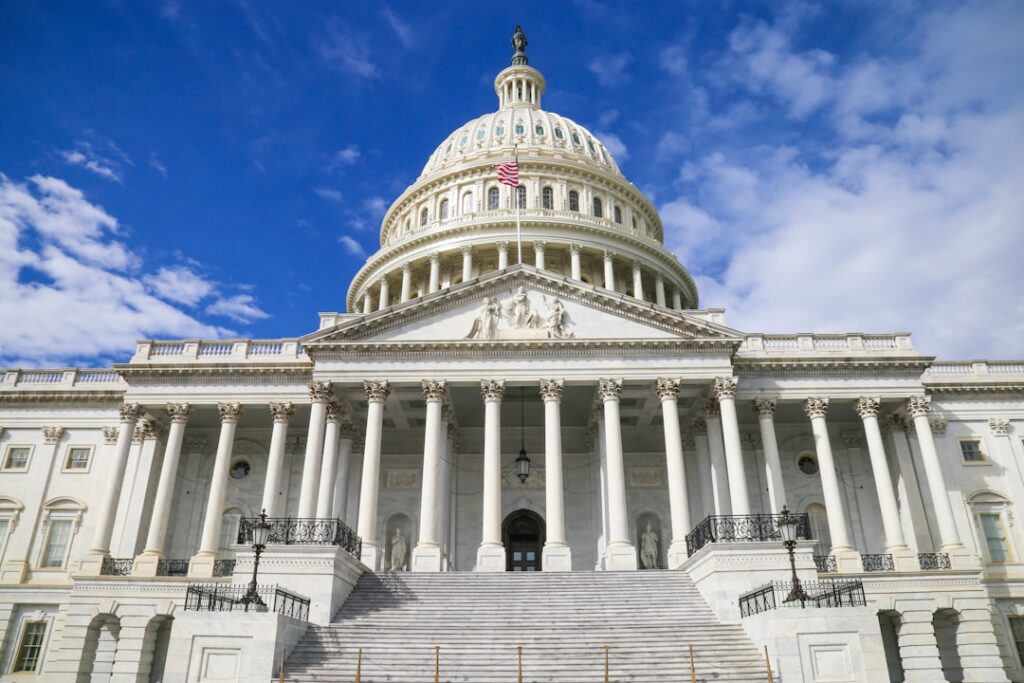
Image: GlobalBeat / 2026
Trump family profits from prediction markets as president slams them
Muhammad Asghar | GlobalBeat
President Donald Trump called prediction markets “a little bit ridiculous” on the same day financial disclosures showed his daughter-in-law and campaign finance chair hold stakes in Kalshi, a regulated prediction exchange.
The investments, valued between $3 million and $15 million, sit in portfolios controlled by Lara Trump and Kimberly Guilfoyle, according to documents filed with federal ethics officials.
Trump’s criticism came during a Wednesday press conference where he dismissed Kalshi’s contracts that pay investors if the United States deports more than 1 million unauthorized migrants in 2025. “I don’t know what they’re predicting. I just hope they’re predicting we’re going to do what we have to do,” he said.
The contracts, which allow traders to bet on political outcomes using real money, have drawn increased scrutiny as Trump’s immigration crackdown intensifies. Kalshi operates under approval from the Commodity Futures Trading Commission, though Congress is considering new restrictions on political prediction markets.
Lara Trump, married to the president’s son Eric, reported holding between $1 million and $5 million in Kalshi investments through various trusts. Guilfoyle, who is dating Donald Trump Jr., disclosed holdings in the same range. Both women serve as senior advisers to the Trump campaign and helped raise hundreds of millions of dollars for the 2024 election.
The White House declined to answer questions about whether the president was aware of the investments before his comments. Press secretary Karoline Leavitt told reporters that “all senior officials comply with federal disclosure requirements” and referred additional questions to the Trump Organization.
Kalshi, founded in 2018, markets itself as the first regulated exchange for event contracts. Users can trade on everything from inflation rates to election outcomes, with prices fluctuating based on collective predictions. The company reported record trading volumes in January as investors speculated on Trump’s policy moves.
Financial experts say the investments create potential conflicts of interest. “When family members of powerful officials hold stakes in companies whose products depend on government decisions, it raises obvious questions,” said Richard Painter, former ethics counsel to President George W. Bush. “The appearance problem alone should prompt divestment.”
The issue extends beyond personal portfolios. Trump’s Treasury Department is reviewing whether prediction market contracts constitute illegal gambling, a determination that could affect Kalshi’s valuation. The company has spent heavily on lobbying, including retaining former CFTC officials to press its case in Washington.
Some congressional Republicans have defended prediction markets as tools for gathering information. Senator Ted Cruz argued during a recent hearing that “these markets aggregate knowledge better than polls or pundits.” Democrats counter that they encourage speculation on human suffering, particularly contracts tied to deportations and other government enforcement actions.
For their part, Kalshi executives insist they provide a public service by revealing market-based probabilities for major events. “Our role is price discovery,” chief executive Tarek Mansour said in a recent interview. “What someone in the White House thinks about that doesn’t change the value we deliver to traders seeking information.”
Background
Prediction markets have existed in various forms for decades, with the Iowa Electronic Markets operating small-stakes political trading since 1988. The concept gained broader attention during the 2020 election when platforms like PredictIt saw massive volume spikes around presidential debates and voting results.
The CFTC under President Joe Biden took a harder line on political contracts, ordering PredictIt to shut down in 2022 before allowing limited operations to continue. That crackdown cleared the way for Kalshi’s growth, as the company emphasized its regulatory approval and institutional backing. Major investors include Sequoia Capital and Charles Schwab.
Trump’s relationship with financial markets has always been transactional. During his first term, he frequently commented on stock movements and pressured the Federal Reserve to cut interest rates. His family business has extensive real estate holdings whose values fluctuate with policy decisions, from tax rates to immigration enforcement affecting rental demand.
What’s Next
The House Financial Services Committee has scheduled hearings next month on regulating prediction markets, with Kalshi executives expected to testify. Ethics watchdogs plan to request expanded disclosure of family investment holdings, particularly for officials influencing areas where relatives hold financial stakes. Lara Trump and Guilfoyle could face pressure to divest if public criticism intensifies, though neither has indicated plans to sell their positions.
The episode highlights the challenges of policing conflicts in an administration where family members serve as senior advisers while maintaining business interests. Unlike cabinet officials, White House advisers aren’t subject to the same divestment requirements, creating loopholes that critics say undermine government ethics standards. How Congress responds could determine whether prediction markets face new restrictions or continue expanding as alternative investment vehicles tied to political events.
Senior Correspondent, World & Geopolitics
Muhammad Asghar covers international affairs, conflict zones, and US foreign policy for GlobalBeat. He has reported on events across the Middle East, South Asia, and Eastern Europe, with a focus on the intersection of diplomacy and armed conflict. He has been writing wire-service journalism for over a decade.