Trump says US considering ‘winding down’ war, as sanctions lifted on 140m barrels of Iranian oil
Trump says US considering ‘winding down’ war, as sanctions lifted on 140m barrels of Iranian oil CNN
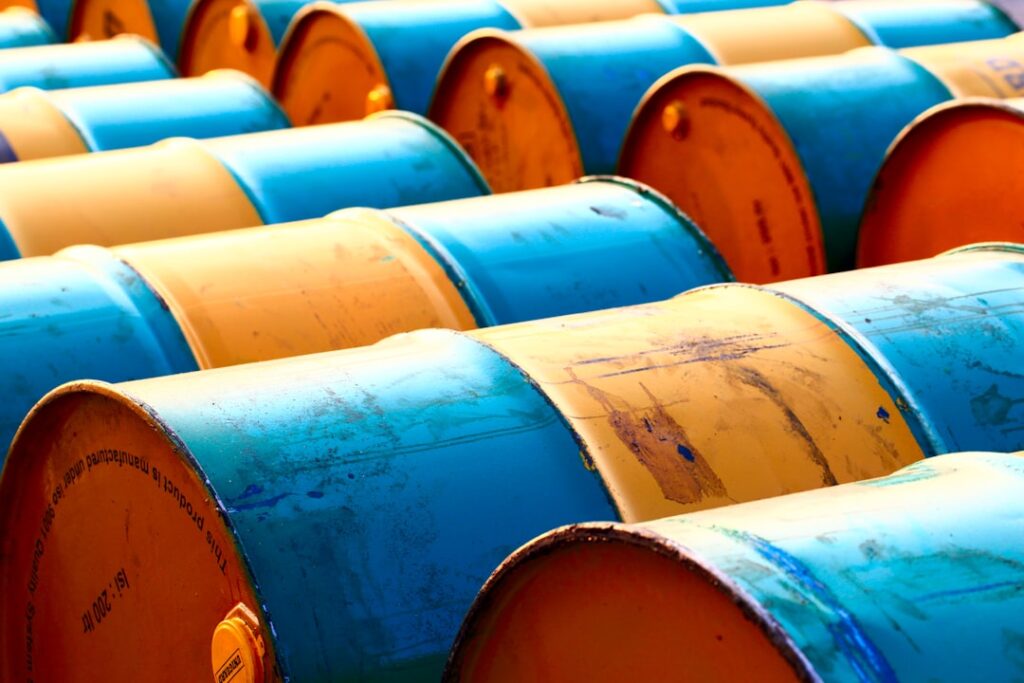
Image: GlobalBeat / 2026
Trump Iran oil sanctions: US floats war wind-down as 140m barrels cleared
Muhammad Asghar | GlobalBeat
Former U.S. President Donald Trump said Washington is weighing an end to Middle East hostilities after Treasury quietly authorized buyers to take 140 million barrels of Iranian crude without penalty.
The clearance, equivalent to 2 days of global demand, appeared on Treasury’s Iran sanctions webpage on April 24 and was confirmed by two shipping brokers and a U.S. official.
Oil markets dropped 3 percent on the news. An expanded flow from OPEC’s fourth-largest producer would ease a tight physical market that has kept Brent above $85 a barrel since January.
Trump told Fox Business Network on Friday that “people are tired” of the region’s conflicts and that his administration is “talking about winding things down.” He gave no timeline.
Tehran has not commented on the waiver. Foreign Minister Abbas Araghchi said last week that Iran would sell “every barrel we can” if sanctions were relaxed.
The barrels were already afloat in supertankers off Kharg Island. Vortexa data showed 18 very-large-crude-carriers with combined capacity of 37 million barrels sailing for China after the notice.
Ship insurers in London and Piraeus said clients received Treasury guidance on April 25 that transactions would not breach U.S. law provided the cargoes unloaded before August.
A Treasury spokesperson told Reuters the update “reflects existing humanitarian exceptions” and does not signal a policy change. The spokesperson declined to say why the language was altered.
Tanker tracking firm Kpler estimated the releases could inject 500,000 barrels per day into the market through July, equal to half of Iran’s current officially reported exports.
Benchmark Brent crude fell to $82.70 in afternoon trade, its lowest close since March. West Texas Intermediate slipped to $78.40, trimming year-to-date gains to 9 percent.
China’s Zhejiang Petrochemical booked at least 6 of the vessels, according to ship brokers. Sinopec and an independent Shandong refiner each took 2 more, the brokers said.
Washington re-imposed sweeping sanctions on Iran’s energy sector in 2018 after Trump withdrew from the 2015 nuclear accord. Sales fell from 2.5 million barrels per day to under 400,000.
Since 2022 Iran has rebuilt exports to about 1.5 million barrels per day, mostly to China, using disguised tankers and middlemen that Treasury has targeted with penalties.
Republican lawmakers criticized the move. Senator Ted Cruz wrote to Treasury Secretary Scott Bessent on Friday demanding “an immediate explanation for this apparent capitulation.”
Democratic Senator Chris Murphy said easing pressure “undercuts our allies and rewards Iranian proxies,” referring to Tehran’s support for Yemen’s Houthi movement.
The Pentagon reported on April 23 that Iran-backed militias had launched 85 drone or rocket attacks on U.S. bases in Iraq and Syria since October, wounding 70 service members.
Israeli officials declined public comment. An unnamed Israeli security source told Army Radio that “any sanctions relief, even technical, is a gift to Tehran.”
European diplomats said they learned of the waiver from traders, not Washington. “We seek clarity,” an EU spokesperson said, noting that EU oil prohibitions on Iran remain in force.
Goldman Sachs lowered its third-quarter Brent forecast by $3 to $84 on expectation of higher Iranian barrels, but warned any Israeli strike on export facilities could erase the discount.
Shipping sources said reflagged vessels switched off transponders, a tactic used to evade sanctions. Marine insurers now face claims if U.S. authorities reverse the guidance.
Iran needs oil revenue to cap inflation that reached 50 percent last year. Its budget assumes exports of 1.35 million barrels per day at an average $71, according to the Parliament Research Center.
Background
Former President Trump exited the Iran nuclear deal in May 2018 and re-imposed oil sanctions that November. The measures removed roughly 1 million barrels per day from global supply and pushed Brent past $85. President Biden’s administration enforced most of the sanctions while negotiating indirectly with Tehran to revive the accord. Talks stalled in September 2022 after Iran demanded guarantees no future U.S. administration could again quit the agreement.
Iran has expanded its nuclear program since, enriching uranium to 60 percent purity, near weapons grade, according to the International Atomic Energy Agency. Israel has carried out sabotage operations inside Iran and threatened military action if diplomacy fails. The United States maintains 2,500 troops in Iraq and 900 in Syria to counter remaining Islamic State cells, positions that Iran-backed militias have targeted with rockets and drones since the Gaza war began in October.
What’s Next
Treasury must update Congress by May 8 on any sanctions waivers. Lawmakers vowed hearings that could force officials to restore penalties or tighten shipping restrictions before the August unloading deadline.
Analysts will watch May 1 OPEC+ talks for signs Saudi Arabia may raise output to defend market share if Iranian exports grow. Israeli officials are debating a response to Iran’s April 13 missile barrage, a decision that could target either nuclear sites or Persian Gulf tanker routes.