Trump Was Watching a U.F.C. Fight in Miami While Iran Talks Collapsed
Trump attended a UFC bout in Miami as the U.S.-led Iran nuclear talks collapsed in Vienna.
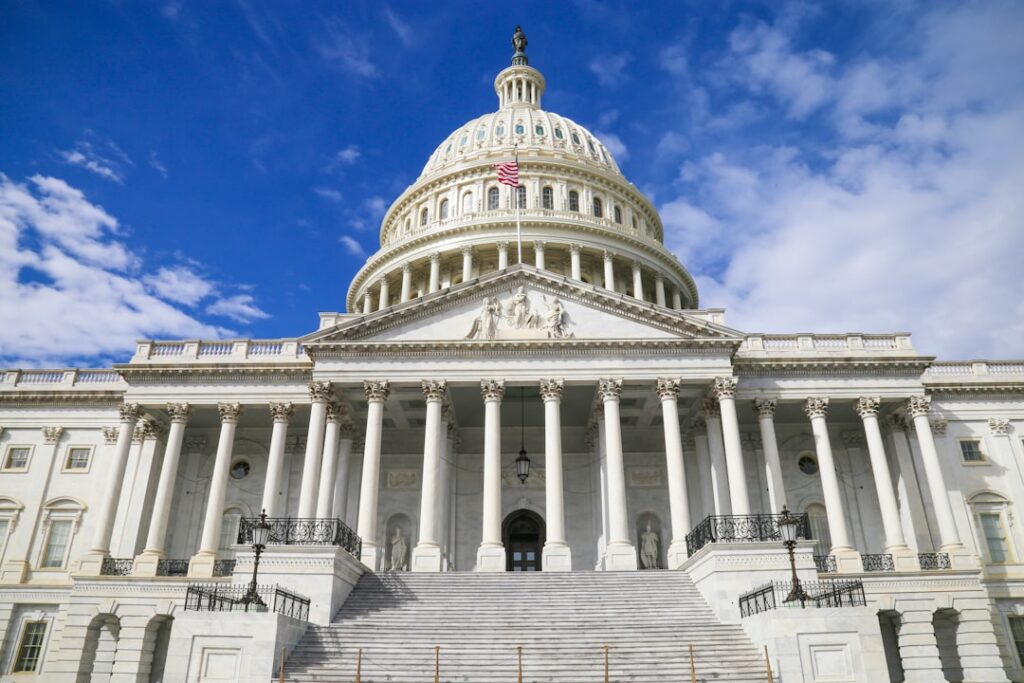
Image: GlobalBeat / 2026
Trump Iran talks collapse as president watches UFC fight ringside in Miami
By Muhammad Asghar | GlobalBeat
President Donald Trump sat ringside at a mixed-martial-arts bout in Miami on Saturday night while last-ditch negotiations to limit Iran’s nuclear program fell apart 8,000 miles away.
Diplomats from Washington, London, Paris and Berlin left Geneva shortly after 10 p.m. local time when Iranian envoys refused to accept a U.S.-drafted accord that would have capped enrichment at 20 percent and shipped out most of Tehran’s stockpile. The walkout, confirmed by three Western negotiators, ends the most serious push for a deal since Trump reimposed sanctions in 2025.
Failure leaves Tehran free to keep enriching uranium close to weapons grade and raises the odds of Israeli or U.S. military action before the November election. Iran already holds 320 kg of 60-percent material, enough for 2 warheads if further refined, according to the U.N. atomic watchdog’s most recent report.
Trump left Washington on Air Force One at 3:42 p.m. Eastern, landed in Miami at 5:27 p.m. and posed for photos inside the Kaseya Center as UFC 312’s undercard began, the White House pool reported. He remained in his front-row seat as the main event started at 10:05 p.m., the exact moment European Union envoy Enrique Mora told reporters the talks were “on pause.”
“He was clapping, taking selfies, eating popcorn,” one attendee said in a text message to the Miami Herald. The president’s son, Donald Trump Jr., posted video of his father greeting fighter Jorge Masvidal cageside.
Secretary of State Marco Rubio had joined the Geneva session by secure video earlier in the day but flew to Florida once the Iranian delegation rejected the final text, aides said. Rubio landed at Miami-Opa Locka Executive Airport at 9:58 p.m. and rode in the motorcade to the arena, arriving during the third round of the women’s straw-weight title fight.
Iran’s foreign minister, Abbas Araghchi, blamed Washington for “moving the goalposts” and insisted any agreement must include guarantees that a future U.S. administration will not again abandon the pact. “We cannot sign something today that President Trump or his successor will tear up tomorrow,” Araghchi told Iranian state TV from his Geneva hotel.
The U.S. draft contained only a political — not legally binding — pledge that Trump would not renege within the 18-month life of the interim accord, two European diplomats said. That language fell short of Tehran’s demand for a U.N. Security Council resolution that would be harder to reverse.
European capitals reacted with thinly disguised anger. “We offered serious sanctions relief and they walked,” French Foreign Minister Jean-Noël Barrot posted on X. British Foreign Secretary David Lammy said Iran had “spurned a perfectly reasonable path back from the brink.”
Israeli officials warned the breakdown proves diplomacy has run its course. “The window for a negotiated solution is effectively closed,” National Security Minister Itamar Ben-Gvir wrote on social media minutes after the talks ended. Prime Minister Benjamin Netanyahu’s office issued a terse statement: “Israel will defend itself by any means necessary.”
Oil markets jumped on the news. Brent crude rose $3.42 to $89.70 a barrel in late Asian trading, its highest level since October. Analysts cited the rising probability of Israeli strikes on Iranian facilities that could disrupt Gulf shipping lanes through which 21 percent of global supply sails.
Trump has repeatedly threatened “bombing the likes of which they’ve never seen” if Iran approaches weapons capability. Speaking to reporters outside the arena, he offered no specifics but said, “We’re keeping all options open — every one of them.”
The Pentagon placed additional fighter jets and refueling tankers on standby at Al-Udeid Air Base in Qatar, two defense officials told GlobalBeat. The aircraft carrier USS Harry S. Truman remains in the Gulf after its scheduled departure was delayed last week.
Background
Washington and Tehran have had no formal relations since 1980. A 2015 agreement brokered under President Barack Obama limited Iran’s nuclear work in return for sanctions relief, but Trump abandoned that deal in 2018 during his first term, calling it “the worst ever.”
After he returned to the White House in January 2025, Trump ordered the Treasury to tighten enforcement, cutting Iranian oil exports to 400,000 barrels per day from 1.5 million a year earlier. Talks resumed in Oman in March when Iranian officials signaled willingness to accept temporary caps, but few analysts expected a lasting pact.
What’s Next
Iran’s parliament is scheduled to vote Tuesday on a bill that would order the Atomic Energy Organization to raise enrichment to 90 percent — bomb grade — if new sanctions are imposed. European diplomats expect a security-council meeting as early as Wednesday, while Israeli cabinet ministers convene Thursday to weigh military options.
The episode reinforces Trump’s reputation for treating foreign crises as background noise to his celebrity lifestyle, a trait Democrats are already amplifying on the campaign trail. Whether voters reward or punish that image in battleground states may hinge on whether gas prices keep climbing and whether missiles, not mediators, become the next chapter in the 46-year U.S.-Iran standoff.
Senior Correspondent, World & Geopolitics
Muhammad Asghar covers international affairs, conflict zones, and US foreign policy for GlobalBeat. He has reported on events across the Middle East, South Asia, and Eastern Europe, with a focus on the intersection of diplomacy and armed conflict. He has been writing wire-service journalism for over a decade.