Trump-Xi Meeting Live News Updates: White House Says Trump, Xi Agree Iran Shouldn’t Control Strait
Trump and Xi agree Iran should not control the Strait of Hormuz, White House says after bilateral talks.
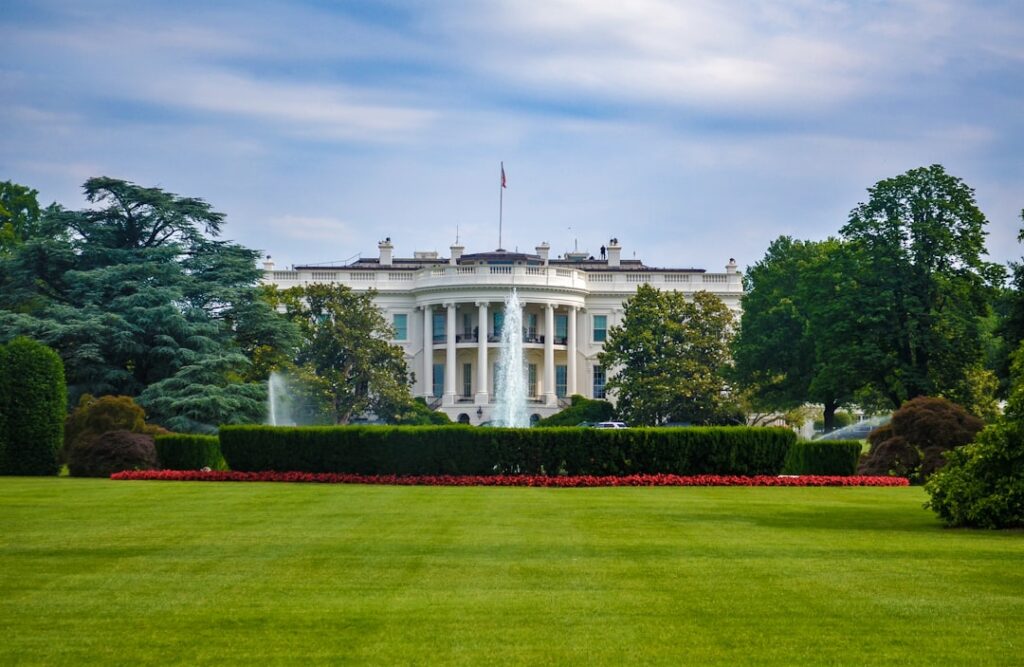
Image: GlobalBeat / 2026
Trump Xi meeting: US and China unite against Iran Strait control
Muhammad Asghar | GlobalBeat
President Donald Trump and Chinese leader Xi Jinping agreed Monday that Iran should not dominate the strategic oil chokepoint at the mouth of the Persian Gulf.
The concession came during their first face-to-face talks since Trump returned to the White House, a senior US official told reporters travelling with the president.
The Strait of Hormuz carries 20 percent of global petroleum trade. Iranian naval forces have harassed tankers there for years and Tehran periodically threatens to close the waterway outright, putting Beijing’s energy imports at immediate risk.
The meeting ran over its 90-minute slot inside the marble-columned Great Hall of the People. Treasury Secretary Scott Bessent and Commerce Secretary Howard Lutnick flanked Trump while Xi sat with a smaller team, including new foreign minister Wang Yi.
Chinese state media said the talks covered “major global hot-spots” but did not mention the Hormuz understanding. US National Security spokesperson Brian Hughes later confirmed the shared position, saying both sides “see Iranian leverage over the strait as destabilising”.
Beijing buys roughly 10 percent of its crude from Iran, payments that usually skirt US sanctions through small banks and shadow fleets. Washington has long argued those purchases fund the Islamic Revolutionary Guard’s speed-boat units that shadow commercial traffic past Oman’s Musandam Peninsula.
Trump told Xi the US is prepared to escort merchant vessels with a coalition naval force, according to a briefing note seen by GlobalBeat. Xi replied China may reroute some shipments through a planned overland pipeline from the UAE to Fujairah, an Omani port outside the strait, the same note stated. Neither proposal was announced publicly.
Oil traders reacted cautiously. Brent futures ticked up 27 cents to $72.80 on ICE London, while China’s INE crude contract slipped 0.2 percent. Analysts said markets were still parsing whether the statements amounted to coordinated policy or diplomatic shorthand.
Iran’s mission to the United Nations dismissed the notion, accusing Washington of “manufacturing phantom threats” and insisting Tehran’s policy is freedom of navigation “for all peaceful shipping”. The mission did not respond to questions about Xi’s reported stance.
Monday’s agreement, even if rhetorical, marks a rare alignment between the rival powers on Middle-East security. Trump campaigned on “maximum pressure” against Iran and renewed most sanctions within days of taking office in January. China remains Tehran’s largest remaining oil customer and has opposed extra United Nations penalties.
The White House had lowered expectations for the visit, calling it a “scoping session”. No joint communique was signed and no press conference scheduled. Still, the Hormuz understanding gives Washington a potential lever to widen enforcement of tanker restrictions, said Behnam Ben Taleblu of the Foundation for Defense of Democracies.
“Even vague Chinese buy-in raises the political cost for Tehran if it escalates,” Taleblu wrote in a note to clients.
Neither leader brought up Taiwan during the public portion, according to audio obtained by a wire service. Trump later told reporters on Air Force One he raised the self-ruled island in private and “got the usual response”. Xi considers Taiwan a renegade province and has not ruled out force to unify it with the mainland.
The rival agendas spilled into dinnertime. Xi offered Peking duck and sorghum liquor at a state banquet while both sides haggled over a read-out language. In the end they issued parallel summaries, a format Beijing prefers when no breakthrough is reached.
Background
The Strait of Hormuz is only 33 km wide at its narrowest, with two 3-km shipping lanes separated by a buffer zone. Roughly 21 million barrels of oil pass through daily, including almost all exports from Saudi Arabia, Iraq, Kuwait and the UAE. Iran’s coastline stretches along the northern shore, giving its military a geographic advantage that Washington has feared since the 1980s “Tanker War”.
US–Iran tensions spiked again in 2019 after Trump exited the 2015 nuclear deal and imposed secondary sanctions. Mines damaged six vessels that May, and Iran seized British-flagged tanker Stena Impero in July, holding it for 10 weeks. Trump ordered then-Defense Secretary Mark Esper to draw up retaliatory strike options that were shelved at the last minute. Since then, periodic sabotage and speed-boat swarms have kept insurers jittery and shipping costs elevated.
What’s Next
US envoys will test Beijing’s commitment at closed-door briefings for the UN Security Council set for next week. Diplomats expect Washington to circulate satellite imagery alleging recent Iranian drone launches near the strait, hoping China’s tacit backing can pressure Tehran without new sanctions. Iranian foreign minister Abbas Araghchi plans to visit Beijing on Saturday, giving Xi a chance to clarify his red lines in person.
The fleeting consensus could evaporate quickly. Scarce mention appeared on Chinese social media, where censors often limit foreign-policy dissent but rarely endorse cooperation with Trump’s America. Still, for a president who thrives on deal-making optics, Monday’s encounter offers at least one deliverable he can cite on the campaign trail if enforcement disputes flare over the Persian Gulf this summer.
Senior Correspondent, World & Geopolitics
Muhammad Asghar covers international affairs, conflict zones, and US foreign policy for GlobalBeat. He has reported on events across the Middle East, South Asia, and Eastern Europe, with a focus on the intersection of diplomacy and armed conflict. He has been writing wire-service journalism for over a decade.