UK military says a bulk carrier near Strait of Hormuz reports being attacked
UK military reports bulk carrier attacked near Strait of Hormuz.
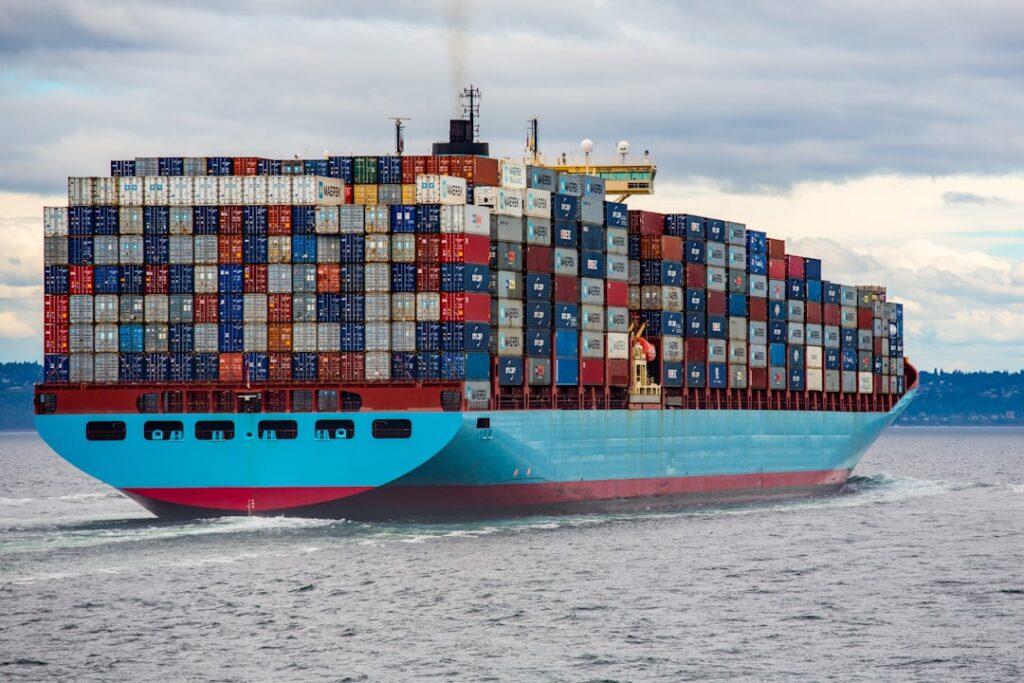
Image: GlobalBeat / 2026
UK carrier attack: Bulk freighter reports assault off Hormuz
Muhammad Asghar | GlobalBeat
A British-flagged bulk carrier sent a distress call early Tuesday reporting it had been attacked while transiting the Strait of Hormuz, according to the UK military’s maritime monitoring center.
The vessel, identified by shipping trackers as the 52,000-tonne MV Morning Cloud, radioed that explosions were heard near its stern at 03:14 GMT, prompting coalition warships to scramble helicopters to the scene.
The narrow waterway carries a fifth of the world’s traded oil and has seen repeated ship seizures and limpet-mine incidents since 2019, raising fears that any new strike could ignite regional escalation.
Royal Navy vessels deployed to the region under Operation Kipion received the Mayday on channel 16, the UK Maritime Trade Operations office in Bahrain stated. “The master reported two blasts, no fire, crew safe,” the brief advisory said. A US Navy P-8 patrol aircraft joined the search while a British Wildcat helicopter circled the ship for three hours, according to maritime traffic logs cited by Lloyd’s List Intelligence. The carrier’s management company, Glasgow-based Highland Maritime, declined to comment when contacted by GlobalBeat, citing “ongoing security protocol”.
Tuesday’s alert follows a pattern of shadow attacks on merchant shipping that Western governments have blamed on Iran’s Revolutionary Guard, though no immediate attribution was made. The UK Foreign Office summoned Tehran’s chargé d’affaires last month after drones allegedly struck another British-linked tanker off Oman. Analysts warn that insurers are already adding war-risk premiums of up to $400,000 per passage through Hormuz, costs that feed directly into global energy prices. “Any confirmation of state involvement would trigger clauses allowing owners to reroute via the Cape of Good Hope, stretching voyages by 14 days,” said Michelle Wiese Bockmann of Opes Shipping.
Iran’s mission to the United Nations in New York did not respond to a request for comment before publication. State media in Tehran carried no mention of the incident, suggesting authorities either remain unaware or have chosen silence while assessing diplomatic reaction. The semi-official Fars news agency instead led its website with a story blaming “Western media exaggeration” of recent Red Sea raids. Iranian officials have previously denied involvement in tanker attacks, calling evidence presented by London and Washington “fabricated”.
Oil markets shrugged off the report, with Brent crude edging up 46 cents to $74.82 a barrel in London morning trade. Yet shipping shares dipped: Frontline Ltd fell 2.1% in Oslo while Euronav slipped 1.8% in Brussels on fears of widening insecurity. “Freight rates for suezmaxes trading out of the Arabian Gulf jumped 7% overnight even without confirmation of damage,” Rystad Energy analyst Svetlana Tretyakova wrote in a client note. Insurance underwriters at the UK-based International Group of P&I Clubs held an emergency teleconference but stopped short of declaring the strait a listed war zone, which would freeze most commercial traffic.
British defence sources told GlobalBeat that Type 45 destroyer HMS Diamond was 19 km southeast of the carrier at the time and dispatched its Wildcat within six minutes. “No fast attack craft were visible, but radar showed three small blips merging with commercial traffic before vanishing,” one officer said, speaking on condition of anonymity because he was not authorised to release tactical data. A similar drone swarm targeted the Mercer Street, a Japanese-owned tanker managed by London-based Zodiac Maritime, in 2021, killing a British and a Romanian crew member. That incident led to a G7 condemnation and fresh sanctions on Iran’s drone programme.
The incident complicates Washington’s efforts to revive de-escalation talks with Tehran ahead of a June 1 deadline for reviving the 2015 nuclear accord, already on life support after President Donald Trump withdrew the United States in 2018. UK Prime Minister Keir Starmer, on a campaign stop in Leeds, vowed to “work with allies to protect freedom of navigation”. He offered no fresh deployment pledge but aides later said the Royal Navy would extend its Gulf patrol schedule beyond the planned draw-down slated for August. Ministry of Defence figures show 1,200 UK service members are currently based in Bahrain, Kuwait, and Oman.
Background
Tanker wars have haunted the Gulf since the 1980s when Iraq and Iran targeted merchant ships in the “Tanker War” phase of their eight-year conflict. Over 400 vessels were hit, leading the United States to reflag Kuwaiti tankers and escort them under Operation Earnest Will. The cycle resumed in May 2019 when four ships, including two Saudi tankers, suffered sabotage off Fujairah. The US accused Iran of using limpet mines; Tehran denied responsibility. Weeks later Iran’s Revolutionary Guard seized the British-flagged Stena Impero in retaliation for the UK detention of an Iranian tanker near Gibraltar, holding it for two months. The UK responded by creating a multinational maritime security mission, joined by Albania, Bahrain, and Estonia, while France ran a separate European-led effort.
Attacks diminished during 2020 pandemic lockdowns but flared again after hard-line President Ebrahim Raisi took office in Tehran. Drones allegedly launched from Yemen have also hit vessels linked to Israel since the Gaza war began in October 2023. Insurance industry body the Joint War Committee has listed the Strait of Hormuz, the Persian Gulf, and the northern Arabian Sea as an extended risk area, pushing up costs. About 21 million barrels of oil and 3.5 billion cubic feet of liquefied natural gas pass through the 33-km wide strait daily, making any disruption a direct threat to global supply.
What’s Next
British and American technical teams will board Morning Cloud once it reaches Fujairah later on Tuesday to examine the hull for explosive residue, officials said. Findings are expected within 48 hours and could determine whether London invokes UN Security Council sanctions clauses or opts for a measured diplomatic protest. Either way, insurers will reassess premiums by Friday, and several Greek tanker owners have already told brokers they will await daylight convoys before loading cargoes at Ras Tanura.
Senior Correspondent, World & Geopolitics
Muhammad Asghar covers international affairs, conflict zones, and US foreign policy for GlobalBeat. He has reported on events across the Middle East, South Asia, and Eastern Europe, with a focus on the intersection of diplomacy and armed conflict. He has been writing wire-service journalism for over a decade.