US-Iran peace talks begin in Islamabad through Pakistani mediators
U.S. and Iranian officials open direct peace talks in Islamabad, brokered by Pakistan, aiming to ease regional tensions.
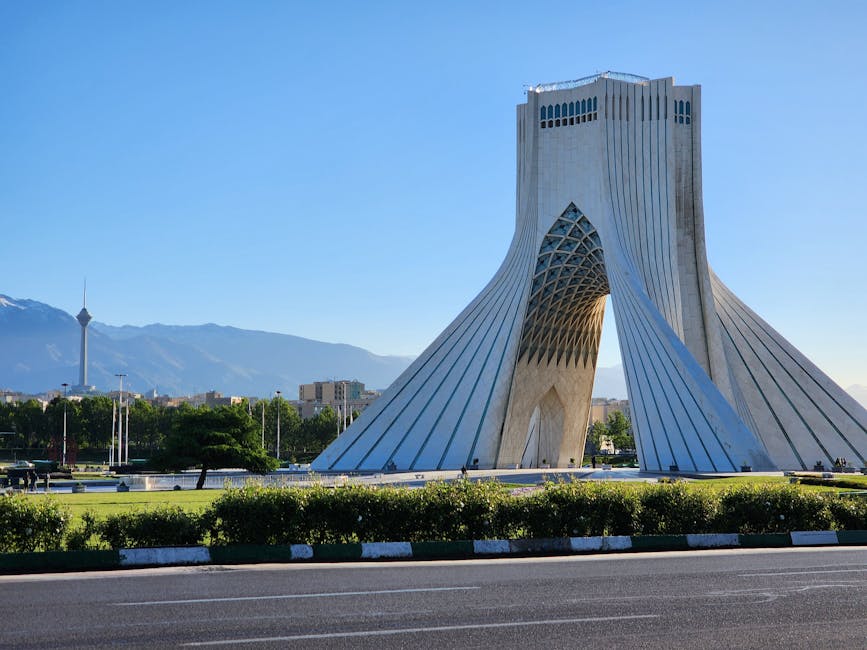
Image: GlobalBeat / 2026
US Iran peace talks open in Islamabad with Pakistani mediation after 47-year diplomatic freeze
Muhammad Asghar | GlobalBeat
Islamabad hosted the first direct US-Iran negotiations since 1979 on Saturday, with Pakistani Foreign Minister Ishaq Dar opening closed-door sessions between the two nations’ delegations.
Tehran sent Deputy Foreign Minister Abbas Araghchi while Washington dispatched Special Envoy Steve Witkoff, marking Washington’s highest-level contact with Iran since Trump took office.
The breakthrough follows 10 weeks of Pakistani shuttle diplomacy after Israeli strikes targeted Iranian nuclear sites in January, bringing the region to the edge of wider war. Both sides agreed to Pakistan’s mediation offer last week, according to officials present.
Araghchi entered the Pakistani Foreign Ministry through a side entrance at 9:17 a.m., avoiding cameras. Witkoff arrived 23 minutes later. The two men sat opposite each other across a polished rosewood table while Dar opened proceedings, attendees told reporters.
“The Islamic Republic comes with serious intentions but clear red lines,” Araghchi said in his opening remarks, according to a participant who requested anonymity because the talks are private. He listed three conditions: complete Israeli withdrawal from Gaza, lifting of all US sanctions, and recognition of Iran’s right to peaceful nuclear technology.
Witkoff responded that Washington sought “verifiable guarantees” that Iran would not pursue nuclear weapons and would stop arming regional militias, the same participant said. The American envoy stressed that Trump wanted “a deal, not a process,” setting a two-week deadline for initial agreements.
Iranian state television confirmed the talks began but provided no details. The White House issued a one-sentence statement saying “discussions are underway” without elaboration.
Israeli Prime Minister Benjamin Netanyahu’s office released a terse response. “Israel will not be bound by any agreement that leaves Iran’s nuclear program intact,” spokesperson Tal Heinrich told reporters in Jerusalem.
Saudi Arabia and the United Arab Emirates, traditional US allies who have recently repaired ties with Tehran, welcomed the negotiations. Riyadh’s foreign ministry called them “a positive step toward regional stability” in a statement.
The economic stakes are enormous. Iran’s crude exports dropped to 450,000 barrels per day in March, down from 1.7 million before Trump reimposed sanctions in 2017, according to oil tanker tracking data. Tehran has lost an estimated $200 billion in oil revenue since then.
European diplomats scrambled to respond. The European Union’s foreign policy chief summoned envoys from member states for emergency consultations in Brussels on Monday. “We need to understand what’s on the table,” one EU official said, speaking on condition of anonymity.
Pakistan’s role surprised many analysts. The nuclear-armed nation maintains close ties with both Washington and Tehran, sharing borders with Iran and serving as a key US intelligence partner. Pakistani military flights transported both delegations to Islamabad under tight security.
US forces in the region remained on high alert. The Pentagon deployed an additional aircraft carrier to the Arabian Sea while maintaining existing bomber deployments in Qatar, according to defense officials who declined to be named.
Background
US-Iran relations collapsed after the 1979 Islamic Revolution when revolutionary students seized the American embassy in Tehran, holding 52 diplomats hostage for 444 days. Washington severed diplomatic ties in April 1980 and the two nations have communicated only through intermediaries since.
The 2015 nuclear deal offered a brief thaw. Under the Joint Comprehensive Plan of Action, Iran limited its nuclear program in exchange for sanctions relief. Trump abandoned the agreement in 2018, reimposing crushing economic sanctions that pushed Iran’s economy into recession.
Direct negotiations become possible after Iran’s Supreme Leader Ayatollah Ali Khamenei signaled openness to talks through Pakistani channels in February, according to diplomats familiar with the exchanges. The message arrived as Israeli airstrikes destroyed Iran’s main uranium enrichment facility at Natanz, dramatically altering Tehran’s strategic calculations.
What’s Next
Both sides agreed to continue talks through Pakistani mediation, with sessions scheduled for next weekend in Oman if initial progress emerges. A senior Pakistani official said the parties set a 30-day deadline for either a framework agreement or suspension of negotiations.
The Islamabad talks represent the most significant US-Iran diplomatic contact since the hostage crisis. Whether they produce a nuclear deal or collapse like previous initiatives will determine if the Middle East moves toward détente or faces renewed confrontation.
Senior Correspondent, World & Geopolitics
Muhammad Asghar covers international affairs, conflict zones, and US foreign policy for GlobalBeat. He has reported on events across the Middle East, South Asia, and Eastern Europe, with a focus on the intersection of diplomacy and armed conflict. He has been writing wire-service journalism for over a decade.