US waiting on a response from Iran over proposals for ceasefire deal, says Rubio
U.S. awaiting Irans reply to ceasefire proposal, Rubio says.
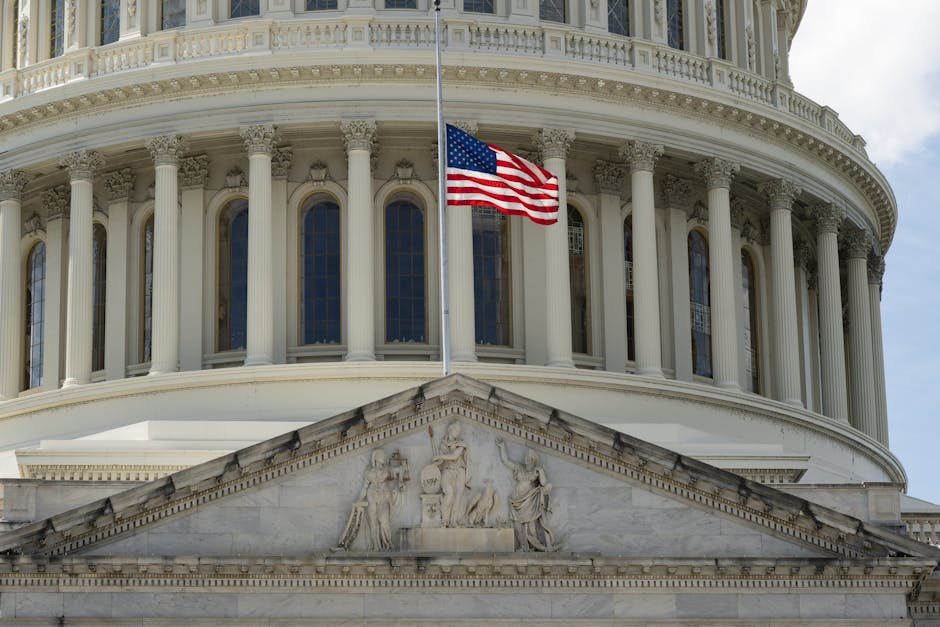
Image: GlobalBeat / 2026
Iran Ceasefire Response: US Awaits Tehran’s Answer on Trump-Led Deal
Muhammad Asghar | GlobalBeat
Secretary of State Marco Rubio said Wednesday the United States is still waiting for Iran to reply to a ceasefire proposal presented last week.
The White House delivered the terms to Tehran through Omani intermediaries after an Israeli strike killed 4 Islamic Revolutionary Guard officers near Damascus on May 1. Rubio told reporters the package includes “specific limits” on Iranian military activity across the Levant but declined to detail them.
Washington and Tehran have not held direct talks since President Trump abandoned the 2015 nuclear accord. The new channel, opened in April, marks the first sustained diplomatic contact in 7 years. Israeli officials briefed on the draft warned it would let Iran keep short-range missiles inside Syria, a concession Prime Minister Benjamin Netanyahu publicly rejected Monday.
European capitals learned of the outreach only after US envoys landed in Muscat. French President Emmanuel Macron called the move “unilateral” and complained to Trump by phone Tuesday, the Élysée Palace confirmed. Germany’s Foreign Ministry urged “full transparency” and said any accord must bind both Iran and its regional allies.
Inside Iran, state television broadcast a clipped 18-second clip of Rubio’s remarks with Farsi subtitles, the first acknowledgment that negotiations are under way. Parliament speaker Mohammad Bagher Ghalibaf told lawmakers “resistance is not negotiable,” yet 23 independents signed a letter asking Foreign Minister Abbas Araghchi to clarify the government’s stance. The letter leaked to the Etemad newspaper within hours.
Oil markets shrugged off the news, with Brent crude falling 0.4% to $71.80 a barrel. Traders cited ample global stockpiles and weak Chinese demand. But shipping insurers in London quietly raised war-risk premiums for vessels transiting the Strait of Hormuz by 12%, according to the Baltic Exchange.
The US proposal reportedly asks Iran to halt drone shipments to Houthi forces in Yemen and freeze IRGC construction of new bases in eastern Syria. In return, Washington would waive a package of banking sanctions due to bite in June and endorse Iraq’s release of $10 billion in frozen Iranian oil revenue. Three sources familiar with the text confirmed the outline; one cautioned “nothing is agreed until everything is agreed.”
Israeli Defense Minister Israel Katz flew to Washington overnight for a previously unannounced meeting at the Pentagon. Katz told traveling reporters he will “present fresh intelligence” showing Iran is cheating on earlier promises to reduce arms smuggling. Photos released by his office showed him reviewing satellite images on the flight. A senior Israeli official, speaking on condition of anonymity, said the delegation wants written guarantees that any US-Iran truce will include “enforceable verification.”
In Beirut, Hezbollah leader Hassan Nasrallah stayed silent for a third straight day, an unusual lull after weekly speeches. Party insiders told GlobalBeat the group is waiting for Tehran’s signal before calibrating its own response. One commander, speaking by encrypted call, said “our rockets are on standby, but politics comes first.”
Syrian President Ahmed al-Sharaa faces a separate dilemma. His caretaker government, still consolidating power after December’s ouster of Bashar al-Assad, relies on both Iranian militias and US air cover against remaining Islamic State cells. A senior diplomat in Damascus said the foreign ministry “pleaded for neutrality” in a cable to regional allies, warning Syria could again become “the battlefield everyone uses.”
Background
Diplomatic contacts between Washington and Tehran collapsed in May 2018 when President Trump withdrew from the Joint Comprehensive Plan of Action, the formal name for the 2015 nuclear deal. The accord had lifted sanctions in exchange for curbs on Iran’s uranium enrichment. After the pullout, the US reimposed banking and oil penalties that shrank Iran’s crude exports from 2.5 million barrels per day to fewer than 400,000 by late 2019.
Indirect talks under President Biden revived parts of the agreement in 2022 but stalled over Iran’s demand that its Revolutionary Guard be removed from the US terrorism list. Since then, a shadow war has raged across the Middle East. Israel has launched more than 400 airstrikes on Iranian targets in Syria, while Iran has armed proxy forces in Iraq, Lebanon, and Yemen. Tanker seizures, cyberattacks, and the January 2024 drone strike that killed 3 US soldiers in Jordan have kept the region on edge.
What’s Next
Omani mediators gave Iran until Friday to provide a “written preliminary response,” Rubio said. If Tehran accepts the framework, technical teams would meet in Geneva during the week of May 19 to draft detailed annexes. Israeli officials pledged to share any new intelligence with Congress before a final signing, setting up a potential clash with Trump if the deal proceeds without their endorsement.
Watch for whether Iran links the ceasefire to a broader demand: release of $20 billion frozen in South Korean banks. Negotiators left that issue off the current table, but Tehran could wield it as leverage once talks deepen. Oil traders are already pricing in a possible summer summit, with Brent futures climbing $1.20 after Rubio spoke. For now, the region holds its breath, counting days until Friday’s deadline.
Senior Correspondent, World & Geopolitics
Muhammad Asghar covers international affairs, conflict zones, and US foreign policy for GlobalBeat. He has reported on events across the Middle East, South Asia, and Eastern Europe, with a focus on the intersection of diplomacy and armed conflict. He has been writing wire-service journalism for over a decade.