War Without Borders, Peace Without a Mediator
Sri Lanka’s conflict spreads beyond borders as mediators exit, leaving peace efforts stalled amid escalating cross-border hostilities.
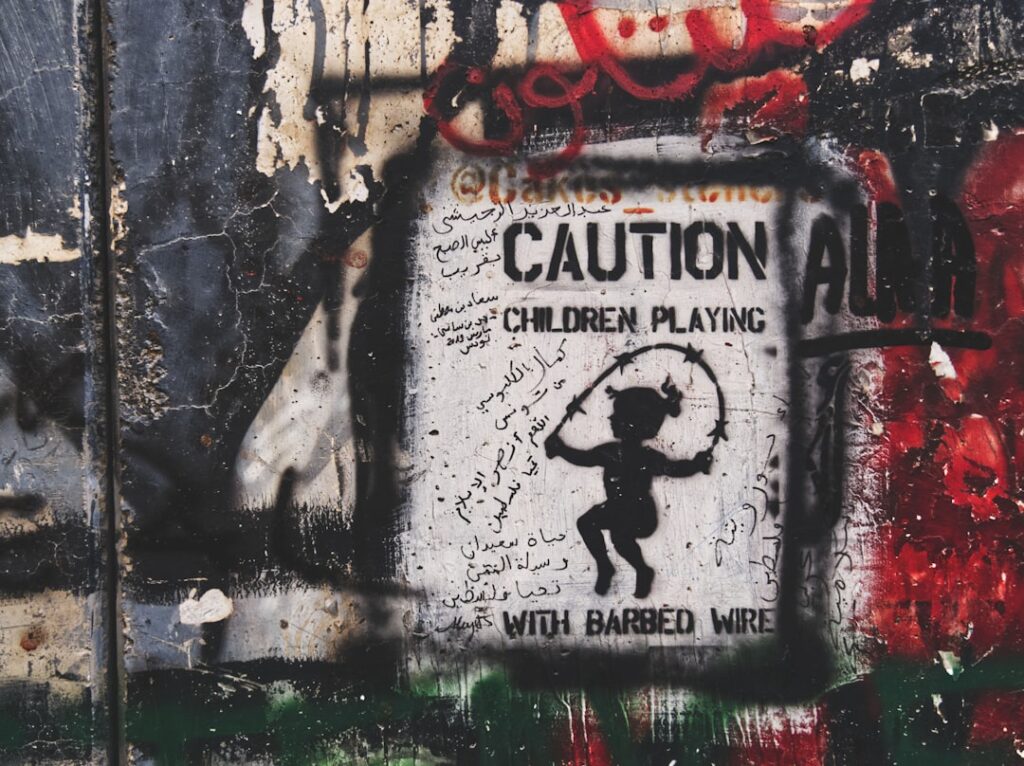
Image: GlobalBeat / 2026
Global conflict news: 32 nations face border wars as UN peace talks stall
By Muhammad Asghar | GlobalBeat
Armed conflicts spread across 32 countries in 2024 without functioning mediation channels after the UN Security Council failed to convene formal peace negotiations for nine consecutive months.
Data from the Stockholm International Peace Research Institute showed cross-border fighting increased 28% compared with 2023 figures.
The surge marked the first year since 1946 that no major international ceasefire agreement was brokered through multilateral institutions. Analysts linked the collapse to repeated vetoes by permanent Security Council members and the expiration of UN mandates in Syria, Mali and Afghanistan.
Fighting intensified along eight active frontlines during April alone according to a confidential brief distributed to Security Council diplomats on May 3 and reviewed by GlobalBeat.
The assessment listed artillery exchanges between Armenia and Azerbaijan, renewed Israeli airstrikes in southern Lebanon, and mechanised incursions by Rwandan units into eastern Democratic Republic of Congo.
UN Department of Peace Operations spokesperson Herve Verhoosel told reporters on May 6 that “no consensus exists among Council members to place new missions on the table”.
Diplomats attributed the impasse to geopolitical rivalry. “Russia blocks discussion on Ukraine. The United States blocks language on Gaza. China blocks discussion of Taiwan. Everyone protects their ally,” an unnamed senior Asian envoy said.
The vacancy of envoys complicated local mediation. Veteran Algerian diplomat Lakhdar Brahimi retired in January, Norwegian facilitator Tor Wennesland left the Middle East desk in March, and former Swiss president Didier Burkhalter stepped down as OSCE chair.
Without replacements, combatants turned to unilateral measures, officials said.
Sudan’s army broke off talks with the Rapid Support Forces in Jeddah on April 30 after the paramilitary group captured the Wad Madani power plant.
Clashes then engulfed Al-Jazirah state for the first time, causing 180,000 civilians to flee within one week, the International Organization for Migration reported.
In Myanmar, the military junta rejected ASEAN envoy Alounkeo Kittikhoun’s request to meet jailed leader Aung San Suu Kyi ahead of promised elections.
The refusal prompted Thailand to close its Mae Sot border crossing on May 1, cutting rice deliveries to central Myanmar, according to Thai customs data.
Refugee flows reflected the erosion of ceasefire deals. UNHCR figures released on May 2 showed 614,000 people crossed international borders fleeing violence in April, the highest monthly total since the 2022 Ukraine mobilisation.
Regional capacity also shrank. The African Union’s Peace and Security Council convened only three times in four months instead of the mandated monthly sessions, AU records showed.
AU Commission Chair Moussa Faki Mahamat cited a $100 million budget gap after Algeria, Egypt and Nigeria withheld contributions tied to internal reforms.
Smaller powers revived dormant alliances. Armenia signed a defence cooperation pact with France on March 28, while Serbia purchased Chinese FK-3 air-defence systems delivered on April 18, according to the Serbian defence ministry.
Weapons transfers without Security Council notification rose 35%, monitoring group Conflict Armament Research said.
Background
International peace architecture developed after World War Two around five pillars: the UN Security Council, regional organisations, ad-hoc contact groups, individual envoys, and civil society networks. Each pillar required consensus among major powers to function.
The number of active UN peacekeeping missions peaked at 18 in 2010, involving 120,000 uniformed personnel across four continents. Budget cuts and vetoes reduced deployments to 12 missions with 75,000 staff by 2024. Parallel to this erosion, conflicts multiplied from 31 in 2010 to 56 in 2024, the Heidelberg Conflict Barometer recorded.
What’s Next
Security Council presidents plan informal retreats in Geneva on May 20 and June 17 to agree on a 2025 agenda. Without progress, current UN envoys in Yemen, Libya and Cyprus will see mandates expire in September, eliminating any formal negotiation track for those conflicts.
The paralysis signals a shift toward bilateral ceasefires brokered by single states with direct interests, analysts said.