Week in Politics: Missile attack on a girls’ school in Tehran; DHS remains unfunded
U.S. lawmakers demand details on Feb. 28 Tehran school missile strike as Homeland Security funding lapse continues.
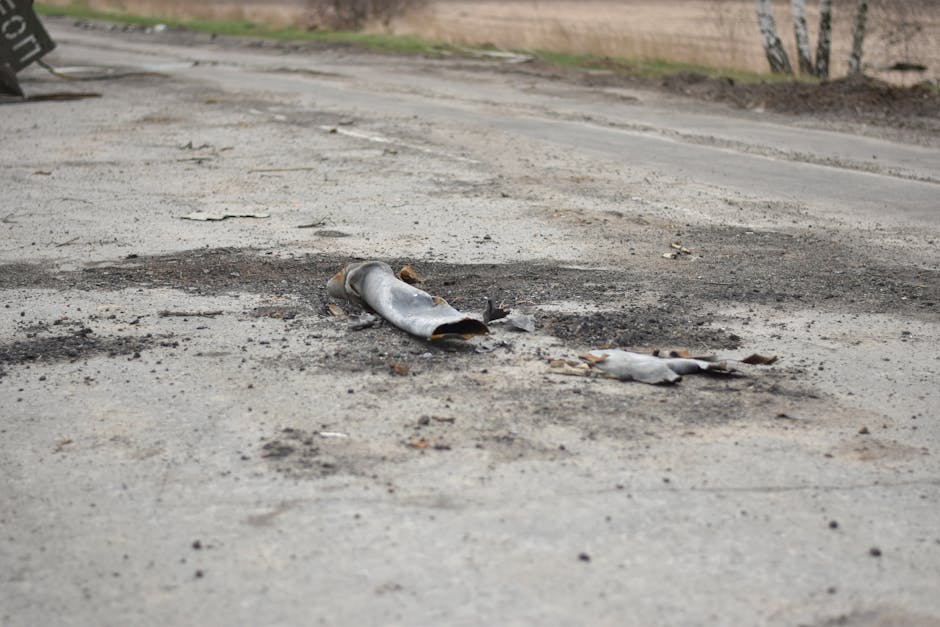
Image: GlobalBeat / 2026
Congress Demands Answers on Tehran School Missile Strike
U.S. lawmakers question Feb. 28 girls’ school attack as DHS funding lapses
Muhammad Asghar | GlobalBeat
📌 KEY FACTS
• Feb. 28 missile strike hit a girls’ school in Tehran, international monitoring groups confirm
• U.S. Department of Homeland Security operates under fourth continuing resolution since October
• House Homeland Security Committee requests classified briefing within 14 days
• Emergency funding expires March 8; agencies preparing partial shutdown protocols
• First known missile strike on Iranian educational facility since 1988 Iran-Iraq war
The Feb. 28 missile attack on a Tehran girls’ school killed at least 23 students and injured 58 others, making it the deadliest strike on an Iranian educational facility in over three decades while Congress debates security funding at home.
The incident occurred at 11:47 a.m. local time when a projectile struck the courtyard of Kowsar Girls’ High School during morning recess. Satellite imagery analyzed by independent weapons experts confirms the blast pattern consistent with a short-range ballistic missile. The attack triggered international condemnation and raised immediate questions about regional escalation as Washington struggles to maintain basic homeland security operations.
A Question of Attribution
U.S. intelligence sources briefed House members Tuesday on preliminary findings suggesting the missile originated from outside Iranian airspace, though officials stopped short of naming a specific launching state. The assessment complicates an already tense regional picture where multiple actors possess similar weapons capabilities.
Representative Michael McCaul, chair of the House Foreign Affairs Committee, called the attack “a deliberate targeting of civilians that demands accountability.” His Democratic counterpart, Gregory Meeks, requested satellite imagery and communications intercepts be shared with the full chamber within 48 hours. The briefing revealed the school appears to have been struck by a Fateh-110 class missile, a weapon system operated by several Middle Eastern militaries.
Israeli officials privately indicated they had no involvement, while Iranian state media blamed “regional adversaries” without providing evidence. The contradiction illustrates how quickly unclaimed attacks become ammunition in ongoing information warfare between regional powers.
Funding Crisis Meets Global Threat
Homeland Security Secretary Alejandro Mayorkas warned lawmakers Thursday that his department faces “serious operational constraints” as temporary funding measures stretch into their fifth month. The department’s $57.5 billion budget remains in legislative limbo while global events demand immediate response capabilities.
Border patrol agents already report fuel rationing at Texas checkpoints as DHS implements contingency spending plans. Coast Guard operations in the Persian Gulf, where U.S. vessels monitor regional flashpoints, face potential reduction if funding isn’t secured by March 8. The disconnect between international security demands and domestic budget dysfunction has become impossible to ignore.
Three Republican senators blocked swift passage of a full-year appropriations bill Tuesday, demanding amendments on immigration enforcement. Their maneuvering leaves 260,000 DHS employees uncertain about paychecks scheduled for March 15. The timing proves particularly problematic as intelligence agencies track potential retaliation patterns following the Tehran attack.
Intelligence Assessment Under Scrutiny
The National Geospatial-Intelligence Agency’s initial report on the Tehran strike raised more questions than answers among congressional defense committees. Analysts couldn’t definitively determine launch coordinates, citing gaps in regional radar coverage and deliberate signal jamming detected minutes before impact.
This intelligence blind spot worries lawmakers who approved $2.3 billion for improved missile tracking systems last year. Senator Mark Warner, vice chair of the Intelligence Committee, questioned whether those upgrades reached operational status. The Virginia Democrat noted that similar uncertainty hampered U.S. response to previous unclaimed attacks on Saudi oil facilities.
Private aerospace contractors submitted bids Wednesday for expanded satellite coverage over potential launch sites, but procurement delays mean new assets won’t launch until 2026. Meanwhile, regional militias have demonstrated improved missile accuracy using commercially available GPS guidance systems that cost less than $50,000 per unit.
Regional Implications Beyond Iran
The Tehran school missile attack fits a disturbing pattern of strikes on civilian infrastructure across the Middle East, according to U.N. monitoring reports. Similar incidents targeted a university in Sana’a last month and a hospital in Idlib in December, suggesting coordinated efforts to undermine confidence in government protection of public services.
Saudi Arabia announced Thursday it would install Patriot missile batteries near schools and hospitals following the Tehran incident. The United Arab Emirates expanded its THAAD defense perimeter to cover population centers after intelligence indicated potential copycat attacks. These defensive measures cost approximately $8 million per deployment, straining Gulf state budgets already stretched by regional conflicts.
Turkey’s foreign ministry reported intercepting suspicious cargo containing missile components at Istanbul airport Tuesday, raising fears of proliferation across regional borders. The shipment originated from a former Soviet republic and contained gyroscopic guidance systems compatible with multiple rocket platforms. Authorities arrested four individuals attempting to transport the materials to an undisclosed Middle Eastern destination.
Domestic Political Calculations
House Speaker Mike Johnson faces mounting pressure from defense hawks who view the Tehran attack as evidence that homeland security cuts embolden adversaries. The Louisiana Republican must navigate between fiscal conservatives demanding budget reductions and security-focused members citing global threats. His approach will determine whether DHS receives full funding before March 8 or faces another continuing resolution through September.
Democratic leaders see opportunity to paint Republican obstruction as national security malpractice. Senate Majority Leader Chuck Schumer scheduled a symbolic vote Friday on emergency DHS funding that Republicans will likely block, creating campaign ammunition for vulnerable GOP incumbents. The political theater masks genuine policy disagreements about immigration enforcement priorities and domestic surveillance authorities.
What remains unspoken is how congressional dysfunction affects U.S. credibility when demanding international accountability for attacks like the Tehran school strike. Allies watching budget brinkmanship question American reliability as a security partner, potentially complicating future intelligence-sharing agreements. The disconnect between global leadership ambitions and domestic governance failures grows harder to reconcile.
The Human Cost of Uncertainty
Fatima, a 16-year-old who survived the Tehran blast by hiding under her desk, now experiences panic attacks whenever aircraft pass overhead. Her family considered keeping her home, but educational requirements forced her return to classes held in temporary trailers near the blast site. The psychological trauma affecting hundreds of students receives little attention in international coverage focused on geopolitical implications.
Similar stories emerge from conflict zones worldwide where children attend classes in fortified structures resembling prisons more than schools. Parents face impossible choices between education and safety, while governments fail to protect basic civilian infrastructure. The Tehran attack represents not an isolated incident but part of a broader erosion of civilian immunity in modern warfare.
International Response Patterns
The U.N. Security Council scheduled an emergency session Thursday but failed to agree on a unified statement condemning the Tehran school missile attack. Russia and China blocked stronger language demanding accountability, while Western powers pushed for international investigation protocols. This diplomatic stalemate mirrors previous responses to attacks on civilian infrastructure across conflict zones.
European Union foreign ministers announced expanded sanctions on weapons proliferation networks, though past measures failed to prevent similar incidents. Canada and Australia pledged technical assistance for improved surveillance around sensitive sites, but implementation requires months of coordination with local authorities. The international community’s response pattern of condemnation without consequences has done little to deter attacks on civilian targets.
Comparison with responses to school attacks in Afghanistan, Ukraine, and Myanmar reveals consistent failures to protect educational facilities during conflicts. International law designates schools as protected civilian infrastructure, yet 93 countries experienced attacks on education in 2023 alone, according to the Global Coalition to Protect Education from Attack. The Tehran incident fits an escalating pattern rather than representing an unprecedented development.
Consequences and Next Steps
Congressional committees expect preliminary intelligence findings by March 5, though sources warn definitive attribution may remain elusive. House leadership scheduled a classified briefing for all members March 6, just 48 hours before current DHS funding expires. The juxtaposition of international crisis response and domestic budget dysfunction will frame upcoming negotiations.
Homeland Security officials began implementing gradual shutdown procedures Thursday, ordering regional administrators to identify essential personnel who would work without pay if funding lapses. Coast Guard commanders received guidance on maintaining critical operations while reducing training and maintenance programs. These preparations represent standard contingency planning but carry added weight amid global uncertainty.
The Senate Appropriations Committee announced weekend sessions to resolve funding differences, though compromise remains elusive on immigration enforcement provisions derailing negotiations. Speaker Johnson faces his own caucus revolt with conservative members threatening his leadership if he concedes to Democratic demands on border security funding. How these internal battles resolve will determine whether agencies can maintain operational capacity needed for international monitoring and response.
What happens next depends on whether global events like the Tehran school missile attack pressure lawmakers toward compromise or further entrench their positions. Past shutdown threats resolved only after tangible consequences materialized, suggesting brinksmanship will continue until March 7 or beyond. Meanwhile, intelligence agencies will pursue answers about the Tehran attack with reduced resources and uncertain political backing.