What the Royal State Dinner Guest List Says About Trump’s America
Trump allies and culture-war luminaries dominate King Charless White House banquet list, underscoring administration’s populist, transactional approach to U.S.-U.K. relations.
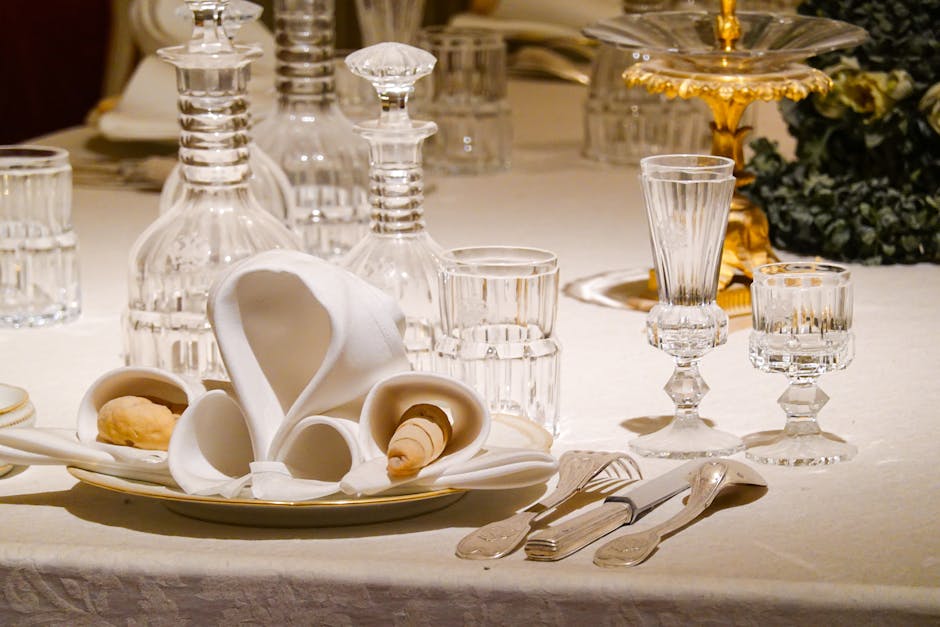
Image: GlobalBeat / 2026
Trump State Dinner Guest List Reveals Billionaires, Fox Hosts, Tech Exiles
Muhammad Asghar | GlobalBeat
President Donald Trump welcomed King Willem-Alexander and Queen Máxima of the Netherlands on Tuesday with a White House state dinner packed with Fox News personalities, tech contrarians, and billionaires who bankrolled his return.
The 132-seat guest roster skipped every living Democratic ex-president while granting prime tables to Elon Musk, Rupert Murdoch, and three Fox prime-time hosts. Cabinet members shared salmon mousse with real estate heir Richard LeFrak, Appeal Court judge James Ho, and former congresswoman Tulsi Gabbard, whom Trump has floated for a future defense post.
The dinner, only the third state visit of Trump’s second term, doubled as a roll call of the coalition that delivered him the Electoral College. Dutch officials had pressed for a focus on semiconductor supply chains and Ukraine aid. Instead, the evening opened with a toast to “innovation and friendship” and closed with the Marine Corps band playing “Can’t Help Falling in Love” while guests filed past a receiving line that included Musk and newly confirmed Commerce Secretary Howard Lutnick.
Musk, whose companies hold billions in federal contracts, arrived in a midnight-blue tuxedo and left through a side entrance, ignoring shouted questions about potential conflicts of interest. Treasury Secretary Scott Bessent later told reporters the Tesla CEO “offered ideas on simplifying export controls” during the fish course.
Fox News broadcast the arrivals live. Hosts Bret Baier, Martha MacCallum, and prime-time anchor Sean Hannity were seated at the center round, separated from King Willem-Alexander by Commerce Secretary Lutnick. CNN and the broadcast networks were relegated to a pooled camera on the South Lawn; print reporters were admitted only for the pre-dinner photo spray.
Former House speaker Nancy Pelosi, customary staple of such galas under both parties, was not invited. Neither were former presidents Bill Clinton or Barack Obama. The only ex-Republican president still living, George W. Bush, declined for scheduling reasons, according to an aide.
Royal watchers said the seating chart broke with protocol. “Normally you balance donors with cultural figures from the visiting nation,” said Aart Kerremans, diplomatic historian at Leiden University. “Stacking one side with media allies is new.” The Dutch Embassy declined comment on guest selection, saying the court in The Hague “leaves social arrangements to hosts.”
Silicon Valley dissenters rounded out the tech contingent. Marc Andreessen and Ben Horowitz, venture capitalists who have defended Trump’s crypto policies, took seats beside David Sacks, the PayPal alumnus recently named White House AI advisor. All three had contributed to the $170 million tech-aligned PAC that emerged in the final weeks of the 2024 campaign.
Absent were Alphabet CEO Sundar Pichai, Apple’s Tim Cook, and Amazon’s Jeff Bezos, each of whom had attended the last Dutch state dinner under Biden. Their exclusion drew quiet applause from populist guests. “Finally a room that doesn’t bow to the woke cartel,” said one attendee leaving the East Room.
Policy surfaced only at dessert. Dutch Prime Minister Dick Schoof urged continued U.S. support for Ukraine’s F-16 pilot training, according to a briefing note accidentally flashed by a diplomatic aide. Trump nodded but did not commit, two people at the table confirmed. The White House later released a one-sentence readout saying the leaders “discussed security cooperation” without elaborating.
Campaign finance records show at least 38 dinner guests gave $1 million or more to Trump’s 2024 effort. Among them: casino magnate Miriam Adelson parked next to Supreme Court Justice Samuel Alito; hedge-fund founder John Paulson across from Secretary of State Marco Rubio; and oilman Harold Hamm seated beside Energy Secretary Chris Wright. All three are reported candidates for administration posts or ambassadorships.
Ethics watchdogs flagged the overlap of donors and policy makers. “You can’t separate the fundraising from the influence,” said Jordan Libowitz of Citizens for Responsibility and Ethics in Washington. The White House countered that guest lists are “the prerogative of the president and first lady.” Press secretary Karoline Leavitt added: “President Trump is proud to celebrate Americans who supported his vision for renewed prosperity.”
Royal households rarely comment on domestic U.S. politics, yet Dutch reporters pressed Queen Máxima on the donor-heavy turnout. “We focus on the partnership between our countries,” she answered, gesturing toward a crowd that included Dutch CEOs of ASML and Shell, both worried about Trump’s threatened tariffs on EU steel. ASML, which dominates advanced chip-making machines, relies on U.S. parts and licenses; its CEO slept at Blair House the same night.
Tuesday’s dinner menu leaned American: Maryland crab, Nebraska beef, California sparkling wine. Centerpieces featured Dutch tulips interspersed with red-white-and-blue roses, a nod to the twin flags flanking the podium. Performers from the Dutch National Ballet danced excerpts from “Romeo and Juliet,” a choice some guests read as subtle commentary on star-crossed alliances.
Overseas reaction split along partisan lines. Geert Wilders, leader of the far-right Party for Freedom, tweeted “More power to Trump’s friends list.” Dutch Labour MP Sjoerd Sjoerdsma called the guest list “an ad for pay-to-play politics we should avoid importing.” The Netherlands trades roughly $80 billion in goods annually with the United States; access to U.S. tech components is critical for ASML’s next-generation EUV machines.
Tuesday’s optics cement a template for upcoming state visits. Japanese Prime Minister Shigeru Ishiba is slated for July, followed by India’s Narendra Modi in September. Diplomats already lobby for seats, aware that proximity to Trump translates into cable news face time. “You’re buying status, not policy,” a senior European envoy conceded, requesting anonymity.
Background
State dinners date to Ulysses S. Grant’s 1874 feast for the King of Hawaii, but modern guest curation began under Eisenhower as television coverage expanded. Ronald Reagan established the practice of mingling celebrity donors with foreign delegations, though opposition lawmakers were usually sprinkled in. The Clinton and Bush years codified the plus-one system, rewarding top bundlers with coveted invites. Obama enlarged corporate representation, seating Sheryl Sandberg beside China’s Xi Jinping in 2015. Trump’s first term broke the mold by elevating Fox News personalities and family members, then skipped state dinners during the pandemic. Biden returned to bipartisan invite lists, hosting 12 such events and courting GOP governors to counter DC gridlock.
The Netherlands ranks as America’s 11th-largest foreign investor, with $460 billion in cumulative holdings. ASML’s near-monopoly on extreme-ultraviolet lithography gives Dutch officials leverage in chip diplomacy, yet Trump has floated 10% tariffs on EU goods to punish Brussels’ tech regulations. Former president Biden restricted ASML exports to China; Trump aides hint they may go further, though Tuesday’s dinner silence left the industry guessing.
What’s Next
King Willem-Alexander travels to Boston on Thursday to tour MIT nanotech labs, while Dutch trade officials meet Commerce counterparts to lobby against broader export bans. Congress must decide by August whether to renew a 10-year tax treaty with the Netherlands; House Ways and Means staffers say campaign donations visible Tuesday add “pressure to show reciprocal benefits.” Meanwhile, Trump heads to his Florida club for a weekend fundraiser where tickets start at $250,000 per couple, once again mining the same donor base that dined with Dutch royalty two nights earlier.
The palace diplomacy offered little clarity on whether Trump will maintain Biden-era export caps, leaving semiconductor stocks volatile ahead of second-quarter earnings. ASML warned investors that “U.S. policy unpredictability” could shave $4 billion off 2026 revenue if China’s market remains restricted. What royal smiles masked on Tuesday, quarterly numbers will soon expose.
Senior Correspondent, World & Geopolitics
Muhammad Asghar covers international affairs, conflict zones, and US foreign policy for GlobalBeat. He has reported on events across the Middle East, South Asia, and Eastern Europe, with a focus on the intersection of diplomacy and armed conflict. He has been writing wire-service journalism for over a decade.