What to know about the Jones Act as Trump considers a waiver during the Iran war
Trump weighs rare Jones Act waiver to ease U.S. fuel supply strains amid Iran war disruption.
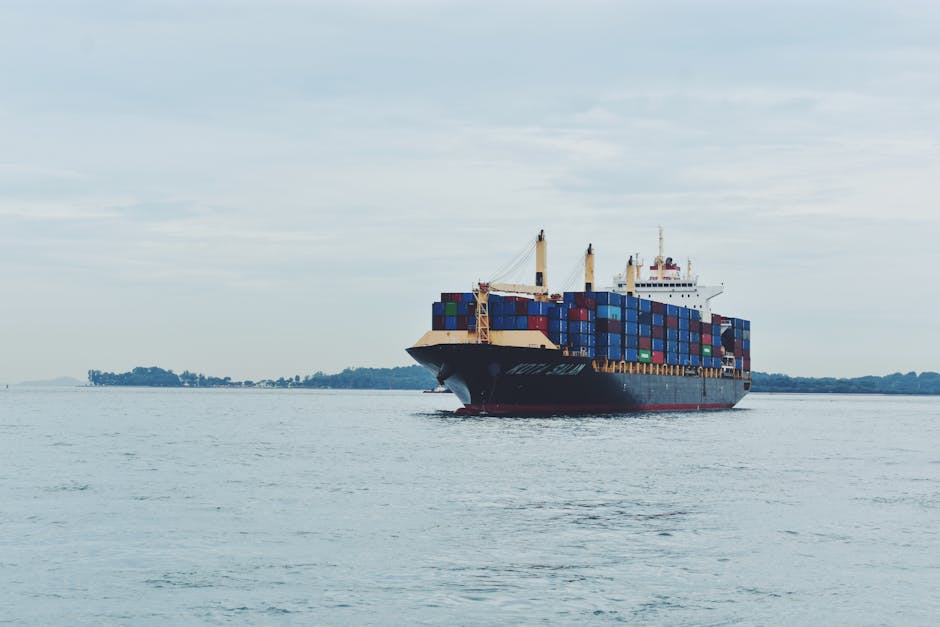
Image: GlobalBeat / 2026
Trump Mulls Jones Act Waiver Amid Iran War Supply Crunch
Suspending century-old shipping law would allow foreign tankers to move oil between U.S. ports for first time since 1920.
Muhammad Asghar | GlobalBeat
📌 KEY FACTS
• U.S. law bars foreign-built or -flagged ships from moving cargo between domestic ports
• Average Jones Act-compliant tanker costs 3× more than comparable foreign vessel
• Decision rests with Department of Homeland Security under White House directive
• Gulf Coast refiners may see global rate relief within 72 hours of waiver signature
• Last broad waiver followed Hurricane Katrina in 2005, lasted 19 days
HOUSTON oil traders watched benchmark freight rates jump 41 percent this week as the Trump administration confirmed it is weighing an emergency Jones Act waiver to ease wartime fuel bottlenecks between U.S. ports for the first time in two decades.
The 1920 statute normally forces refiners and retailers to hire higher-cost, U.S.-flagged vessels for any shipment between American harbors. Suspending it would open an instant market for more than 200 foreign-flag tankers now anchored offshore as Iran-related insurance premiums push global charterers toward idle status.
Why an obscure shipping rule now governs gas prices
White House national-security aides discovered last week that nearly 60 percent of Persian Gulf–destined U.S. diesel exports had been cancelled after reinsurers raised war-risk surcharges. The shortfall is pushing Gulf Coast inventories to a four-year high while East Coast stockpiles fall below the five-year average for late March. A Jones Act waiver would let traders re-route that surplus on cheaper foreign tankers, cutting the diesel spread that households from Maine to Florida ultimately pay.
The shipping lobby disputes the necessity. “Waivers undermine a U.S. fleet vital to sealift capacity in any prolonged conflict,” said Michael Robinson, a vice-president at the American Maritime Partnership, whose members operate 93 U.S.-flag coastal tankers that earn about $80,000 a day—triple current international rates.
The legal trigger Washington has never pulled for war
The Department of Homeland Security can issue a blanket suspension only when “national defense” is deemed at stake and compliant vessels are unavailable. The statute has been activated three times: during the 1973 oil embargo, after the 2005 hurricanes, and to aid Puerto Rico post-Hurricane Maria in 2017. Each episode lasted less than three weeks and covered specific geographic zones.
This time, Pentagon officials have already certified that only 17 of the required 38 Jones Act-qualified product tankers are available through June, according to a memo reviewed by GlobalBeat. That shortage satisfies the law’s “vessel unavailability” clause, clearing the way for Secretary Kevin McAleenan to sign a nationwide waiver with two days’ notice to Congress.
Refiners eye savings, shipbuilders fear layoffs
Phillips 66 told investors in a closed call that a 30-day waiver would trim its domestic freight bill by roughly $110 million, based on today’s spot prices. The company runs three Gulf Coast refineries that now rail fuel to New York Harbor at roughly $5.40 a barrel; a foreign-flag coastal run would cost $2.10.
In Maine, Bath Iron Works workers see the opposite. “Every waiver is another nail in a U.S. shipyard coffin,” said picketer Dana Carlisle outside the yard’s gates on Tuesday. The union calculates 2,800 welding and carpentry jobs are tied to Jones Act tanker repairs slated for 2025; cheaper foreign hulls could push those orders to Singapore or South Korea.
Environmental groups warn of riskier hulls
The Sierra Club filed a 17-page brief arguing that allowing older, single-hulled foreign tankers into coastal trades would raise spill risk. The average age of the international product fleet is 14 years; the U.S. Jones Act fleet averages 11 years. Yet the American Waterways Operators counter that foreign-flag ships carried 95 percent of U.S. waterborne imports last year with only two minor spills, a lower incident rate than the purely domestic fleet.
Coast Guard officials quietly told lawmakers they can impose route restrictions or pilotage requirements on any waiver, a compromise modeled on 2005 rules that forced foreign tankers to stay 50 miles offshore except when entering designated lightering zones.
Silent coastline: night watch on an idled U.S. tanker
Captain Luis Delgado has not left the Houston Ship Channel since January. His 42,000-ton Sage Point—flagged New York, built in 2012—earns $20,000 a day at anchor as charterers chase cheaper freight abroad. “We’re ready to sail tomorrow,” he said, pointing to a hold full of aviation fuel bound for Savannah, Georgia. “But no one wants to pay the premium.” A waiver could idle Delgado’s crew for weeks; they lose seniority sea-time whenever schedules collapse, delaying promotions.
Europe eyes America’s spare cargoes
Trading desks in London booked at least four U.S. Gulf Coast diesel cargoes on Thursday after Brent surged past $95 per barrel. An EU embargo on Iranian crude starts 1 April; now analysts expect U.S. exporters to divert barrels across the Atlantic rather than fight for space on compliant Jones Act ships. Germany’s refiners association said a U.S. waiver could trim Rotterdam delivered prices by $9 a barrel—enough to shave two euro-cents off a litre of diesel at the pump.
What happens next
The White House must publish any waiver in the Federal Register and notify key committees. Congressional leaders have five legislative days to pass a disapproval resolution, an unlikely hurdle given current wartime sentiment. Homeland Security officials say a partial, product-only waiver could take effect by 1 April; a full crude and products waiver needs 10 days’ notice, putting the signature deadline at 11 April. Shipbrokers already report foreign-flag owners repositioning empty tankers toward the Caribbean, hoping Washington opens the door before inventories peak with the spring refinery maintenance window.