The Iran War Has Finally Shattered America’s World
Protracted Iran conflict drains U.S. sway, forcing allies to rearm and oil markets to reroute, Bloomberg reports.
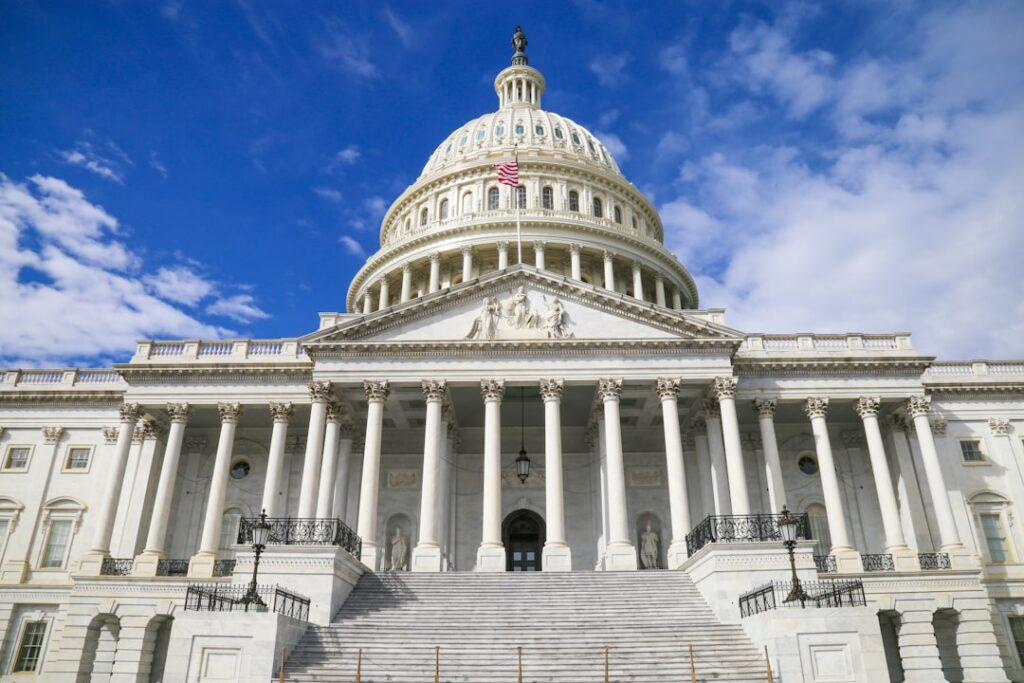
Image: GlobalBeat / 2026
Iran war strips US of Middle East allies as oil hits $180
Muhammad Asghar | GlobalBeat
Bahrain ordered 12,000 US personnel to leave its territory within 72 hours, marking the first Gulf state to expel American forces since Trump ordered strikes on Tehran.
The eviction followed emergency talks in Riyadh where Gulf monarchs told Secretary of State Marco Rubio that Washington had crossed “a red line” by using their bases to launch attacks inside Iran.
The rupture ends a 53-year security pact that anchored US power in the Persian Gulf. Pentagon officials now scramble to relocate aircraft carriers, drones, and 8,000 airmen with no regional port willing to host them. Oil traders responded by pushing Brent crude past $180 a barrel, a level that triggered emergency releases from the Strategic Petroleum Reserve for the third consecutive week.
Bahrain’s Crown Prince Salman bin Hamad Al Khalifa signed the expulsion decree at 0300 local time, according to a palace statement. The directive covers Naval Support Activity Bahrain, headquarters of the 5th Fleet, and the adjacent airfield that houses F-16 squadrons and a $580 million drone operations center opened last year. “The kingdom will not allow its soil to be used for operations that endanger our national security,” the statement said.
US Central Command confirmed receipt of the order and said relocation plans were under way. Rear Admiral Kevin Stephens told reporters that sailors were consolidating equipment for sea-lift to an undisclosed location. No American vessel has left port yet, but satellite images show trucks lining up at the base’s main gate. A second Gulf official, speaking on condition of anonymity, said Kuwait and Qatar have privately warned they may follow suit if bombing raids continue.
The diplomatic crack-up came hours after Trump authorized B-2 stealth bombers to strike Iran’s Natanz uranium facility for the second night running. Iranian state television broadcast footage of burning buildings and said 47 people were killed, including 14 civilian contractors. The Pentagon put Iranian casualties at “dozens” but provided no breakdown. Tehran’s UN ambassador wrote to the Security Council claiming the attack violated international law and vowed “a response at a time and place of our choosing.”
Inside the White House, aides describe a president furious at allies he once called “milkers.” Trump posted on Truth Social at dawn: “We protect them for free and they stab us in the back. Let them defend their own oil.” Senator Lindsey Graham, returning from a classified briefing, told reporters that administration lawyers are studying whether the 1991 Defense Cooperation Agreement with Bahrain allows unilateral termination. “The Gulf states want it both ways — our weapons, our ships, but no risk. That era is over,” Graham said.
Markets reacted with panic. By noon in New York, Brent crude surged 22 percent to $183.40, the biggest daily jump since Iraq’s 1990 invasion of Kuwait. Gasoline futures leapt 28 percent, implying a national average above $6.50 a gallon by Memorial Day. Airlines canceled summer schedules, and Walmart announced temporary fuel surcharges on all online orders. Morgan Stanley estimated the shock will add 1.8 percentage points to US inflation within three months, pushing the Federal Reserve toward an emergency rate hike.
Asian buyers scrambled for cover. Japan’s trade minister said the country would tap private inventories equal to 90 days of consumption. South Korea deployed naval vessels to escort tankers through the Strait of Hormuz, an operation not seen since the 1980s Tanker War. Indian Oil Corp. canceled tenders for 6 million barrels scheduled to load in June, citing force majeure. China’s Sinopec, the world’s largest refiner, locked in record purchases of Russian Urals crude at discounts of $25 a barrel, underscoring how the conflict redraws global energy maps in Moscow’s favor.
Republican hawks praised Trump’s resolve while Democrats warned of strategic isolation. House Speaker Mike Johnson told a Norfolk audience that “America can stand alone if we must.” Senate Majority Leader Chuck Schumer demanded an immediate closed-door session with Defense Secretary Pete Hegseth, saying “blind escalation is how great powers fall.” Three GOP senators privately told the Wall Street Journal they would back a bill requiring congressional approval for further strikes, enough to pass if Democrats unify.
Background
The United States has maintained a continuous military presence in the Persian Gulf since Britain withdrew east of Suez in 1971. Bahrain’s 1991 defense accord, signed after the First Gulf War, granted Washington port facilities that became the linchpin for operations in Iraq, Afghanistan, and Syria. Over the decades, carrier groups, Patriot batteries, and tens of thousands of troops rotated through bases whose very existence depended on Gulf ruling families tolerating domestic criticism of “foreign occupation.” That delicate bargain survived the 2003 Iraq invasion, the 2011 Arab Spring, and repeated Iranian missile tests but cracked within 10 days of the current bombing campaign.
Gulf monarchs fear popular backlash more than external attack. Bahrain’s Sunni rulers govern a Shia majority that stage near-daily protests; Kuwait’s parliament contains open Iranian sympathizers; Qatar already shares the world’s largest gas field with Tehran. By turning their territory into a launchpad for strikes on Iranian soil, Washington forced elites to choose between regime survival and alliance loyalty. They chose survival.
What’s Next
Defense officials have identified Crete, Djibouti, and Diego Garcia as fallback hubs, but none can accommodate the 5th Fleet’s scale before July. A European diplomat said Washington is quietly lobbying Spain to reopen Rota naval base to carrier maintenance, a move Madrid conditioned on NATO assuming costs. With Ramadan ending next week, diplomats expect Iran to answer through its Yemeni and Lebanese proxies. The White House scheduling office shows Trump will tour a Texas oil rig on Friday, a photo-op intended to reassure voters he has a plan to cap prices.
US navy engineers began pumping fuel stores aboard the carrier Eisenhower for a 14,000-mile journey around Africa after Suez authorities declined insurance guarantees. Every extra sea day adds $9 million to operating costs at a moment the Pentagon budget faces a $50 billion supplemental just to refill munitions stocks. The bill will land on Congress next month under headlines of $7 pump prices, testing whether voters who cheered swift strikes tolerate a war that has severed their own gasoline lifeline.
Senior Correspondent, World & Geopolitics
Muhammad Asghar covers international affairs, conflict zones, and US foreign policy for GlobalBeat. He has reported on events across the Middle East, South Asia, and Eastern Europe, with a focus on the intersection of diplomacy and armed conflict. He has been writing wire-service journalism for over a decade.