US navy attacks and seizes Iranian cargo ship, with peace talks due to take place in Pakistan
U.S. Navy seizes Iranian cargo vessel in Gulf as Tehran-Kabul peace talks loom in Islamabad.
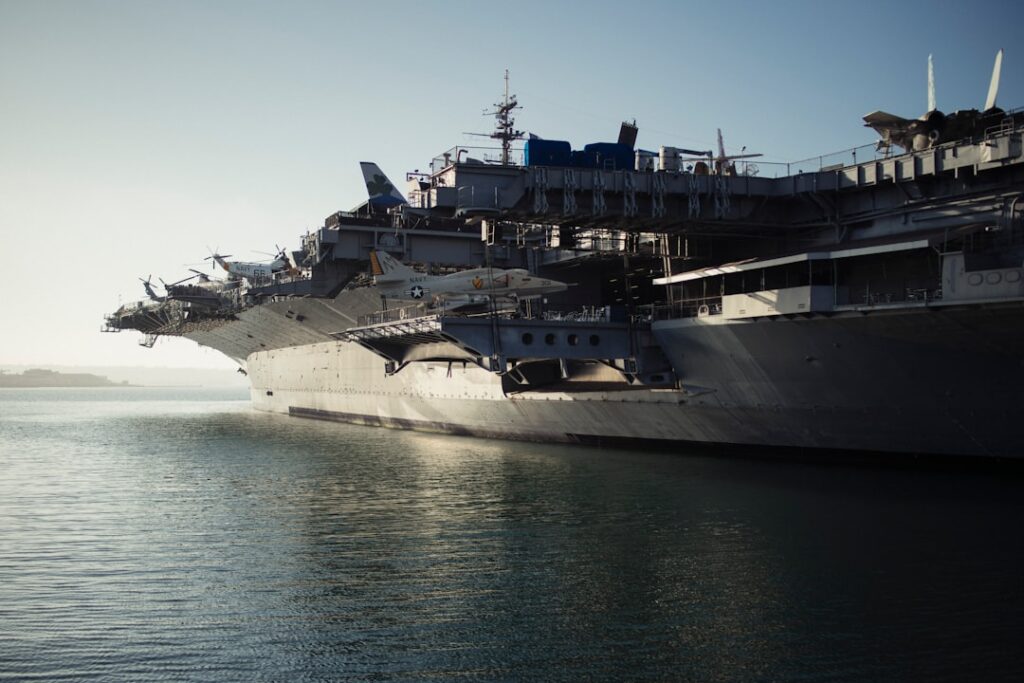
Image: GlobalBeat / 2026
US seizes Iranian ship: Navy boards cargo vessel as Pakistan prepares to host peace talks
Muhammad Asghar | GlobalBeat
US naval forces stormed and seized an Iranian-flagged cargo ship in the Persian Gulf early Tuesday, hours before scheduled peace negotiations between Tehran and Washington in Islamabad.
The boarding operation occurred at 3:42 a.m. local time when Navy SEALs fast-roped onto the deck of the MV Behshad from helicopters, according to US Central Command.
The vessel’s seizure threatens to derail fragile diplomatic efforts ahead of Tuesday afternoon’s talks in Pakistan, where both nations planned to discuss maritime security guarantees and sanctions relief. Iranian state media reported that 24 crew members were detained.
The Pentagon claimed the Behshad was transporting advanced guidance systems and drone components to Houthi rebels in Yemen. Central Command released infrared footage showing crates being unloaded onto smaller vessels near the Bab al-Mandeb strait last week.
“This ship was part of Iran’s weapons pipeline to the Houthis,” Captain Bill Urban told reporters in Bahrain. “We have clear evidence of multiple deliveries.”
Iran’s foreign ministry rejected the accusations as “piracy under false pretenses” and demanded immediate release of the vessel and crew. Tehran summoned the Swiss ambassador, who represents US interests in Iran, to protest the action.
The Behshad had been tracked by American surveillance aircraft for 6 days before the seizure, according to maritime traffic data. The ship turned off its transponder Saturday while transiting international waters between Oman and Pakistan.
Regional shipping insurance rates spiked 18 percent after news broke, the biggest single-day jump since January 2024’s Red Sea crisis. Oil futures rose $2.40 to $83.15 per barrel in Asian trading.
Pakistani officials expressed concern about the timing. “We were preparing for constructive dialogue,” Foreign Ministry spokesman Zahid Hafeez said in Islamabad. “Such incidents complicate the atmosphere.”
The talks were meant to address Iranian uranium enrichment levels and American economic sanctions. European diplomats had pressed both sides for months to restart negotiations.
China called for restraint from all parties. “The Persian Gulf doesn’t need more military tension,” Foreign Ministry spokeswoman Mao Ning said in Beijing.
Background
US-Iran naval confrontations have escalated since Trump withdrew from the 2015 nuclear deal and imposed maximum pressure sanctions. American forces seized Iranian tankers 4 times in 2023 alone, claiming violations of oil export bans.
The Behshad itself was previously detained by Saudi Arabia in 2021 for alleged weapons smuggling, then released after diplomatic pressure. Maritime records show the ship changed names and registration 3 times since 2019.
Iran’s Islamic Revolutionary Guard Corps Navy has responded by harassing commercial vessels and seizing tankers near the Strait of Hormuz. These tactics pushed maritime insurance costs up 300 percent since 2022.
What’s Next
Pakistan still hopes to host the talks Wednesday, but Iranian delegates haven’t confirmed attendance. The US special envoy for Iran flies to Islamabad Tuesday night to assess whether negotiations remain viable.
The captured crew faces interrogation at the American base in Bahrain. Legal experts expect prosecutors to build a sanctions violation case that could take months to adjudicate.
Shipping companies are rerouting vessels away from Iranian waters, adding 5 days to Asia-Europe routes. Analysts predict oil prices could hit $90 if tensions persist through summer driving season.
Iran’s parliament meets Wednesday to discuss proportional response measures. Hard-line lawmakers already introduced legislation to increase uranium enrichment to 90 percent if the ship isn’t returned.
Senior Correspondent, World & Geopolitics
Muhammad Asghar covers international affairs, conflict zones, and US foreign policy for GlobalBeat. He has reported on events across the Middle East, South Asia, and Eastern Europe, with a focus on the intersection of diplomacy and armed conflict. He has been writing wire-service journalism for over a decade.