Iran war live: IRGC seizes two vessels in Strait of Hormuz amid US blockade
IRGC seizes two tankers in Strait of Hormuz hours after U.S. tightened sanctions; Washington vows decisive response.
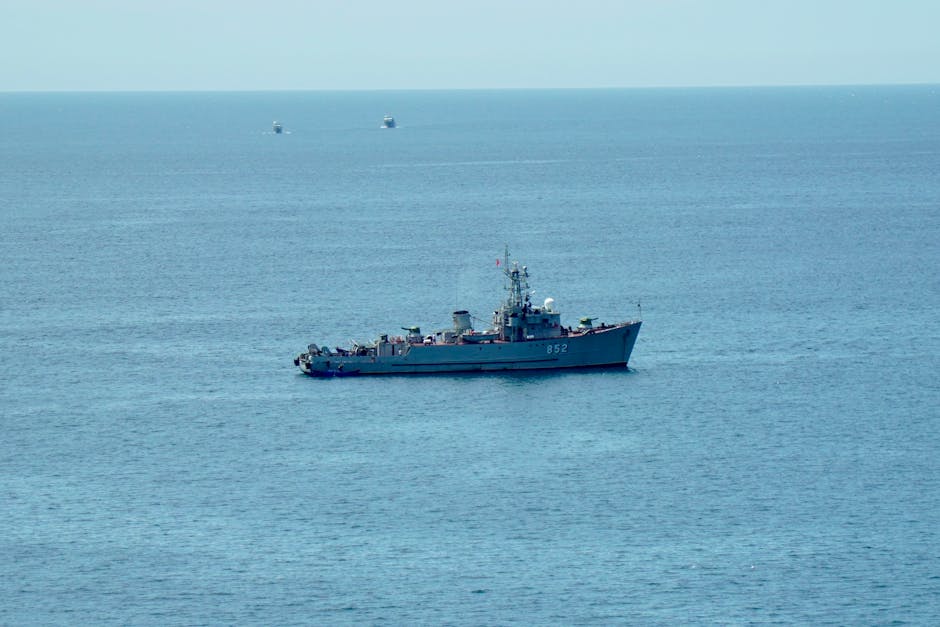
Image: GlobalBeat / 2026
Iran war: IRGC boards two oil tankers in Hormuz chokepoint
Muhammad Asghar | GlobalBeat
Revolutionary Guards commandos stormed a Marshall Islands-flagged tanker and a Portuguese-flagged vessel in the Strait of Hormuz early Tuesday.
The twin boardings happened within 90 minutes, driving oil prices up 4 % in Asian trade and prompting the Pentagon to reroute a carrier group toward the waterway.
One fifth of the world’s traded oil passes through the 21-mile-wide Strait. Any sustained blockade would send immediate shocks through global energy markets.
IRGC fast boats opened fire across the bow of the 274-metre Advantage Sweet at 03:14 local time, according to shipping tracker MarineTraffic. The tanker had sailed from Kuwait with 800,000 barrels of naphtha bound for Houston. Commandos rappelled aboard while a helicopter hovered above the bridge, the US Navy’s 5th Fleet said in a statement. The ship’s Greek manager, Capital Ship Management, lost contact with the 24-man Filipino crew minutes later.
At 04:42 the same swarm tactics were used against the Portuguese-flagged Sisab, a smaller chemical carrier en route from Jubail to Karachi. Lisbon confirmed its navy “lost the vessel’s AIS ping” 12 nautical miles off Iran’s Qeshm Island. Both ships are now anchored near Bandar Abbas under IRGC control, satellite images verified by intelligence firm Ambrey show.
Washington responded within hours. President Donald Trump told reporters aboard Air Force One that “Iran just made a very big mistake” and authorised the Navy to “open fire if harassed.” The carrier USS Harry S. Truman, already in the Gulf of Oman, was ordered to steam into the Strait at flank speed, Pentagon officials said. Two destroyers, the USS Bainbridge and USS Cole, moved to within 5 nautical miles of the seized tankers, creating a protective ring around other commercial traffic.
Brent crude leapt to $92.70 a barrel, its highest level since October, while West Texas Intermediate hit $88.40. “Markets are pricing in a 48-hour window before somebody shoots,” RBC Capital’s Helima Croft wrote in a client note. Insurance syndicates at Lloyd’s of London widened war-risk premiums for Hormuz transits to 2.5 % of cargo value, from 0.75 % on Monday.
Tehran framed the seizures as retaliation. The IRGC said the Advantage Sweet had “collided with an Iranian fishing boat, injuring three crew and leaving two missing,” allegations the Pentagon called “completely manufactured.” State TV broadcast footage of masked guards on the tanker’s deck, claiming the Sisab was “smuggling fuel.” Neither vessel’s operator reported an accident prior to the boardings.
European capitals condemned the escalation but stopped short of threatening force. British Foreign Secretary David Lammy called the seizures “a flagrant breach of maritime law” and summoned Iran’s chargé d’affaires in London. The European Union announced an emergency session in Brussels on Wednesday to weigh new sanctions against Iran’s shipping sector. Germany’s foreign ministry urged “immediate and unconditional release” of the ships but ruled out joining any US-led naval escort.
China, the largest buyer of Iranian oil, appealed for restraint. Foreign ministry spokesman Lin Jian said Beijing “opposes any unilateral military action that could worsen the situation” and called for diplomacy through the Gulf-India-Security-Dialogue, a little-known forum launched last year. India’s navy put its western fleet on alert and began escorting Indian-flagged tankers, officials in New Delhi said.
The twin seizures mirror a playbook Iran has used before. In 2019 the IRGC captured the British-flagged Stena Impero, holding it for two months after UK forces detained an Iranian tanker off Gibraltar. Analysts see Tuesday’s move as Tehran’s attempt to raise the cost of Washington’s two-week-old air and sea blockade that has already barred at least 9 Iranian oil cargoes from reaching Syria and Venezuela.
Casualties remain unclear. The Pentagon said “no US citizens are aboard” either vessel. Portugal’s government listed 13 Pakistani and 8 Sri Lankan sailors on the Sisab; Manila confirmed 24 Filipino crew on the Advantage Sweet. Iran’s state news agency claimed “all personnel are safe and cooperating,” but provided no proof-of-life communications.
Insurance executives warned of immediate fallout. “If underwriters blacklist the Strait even for 72 hours you’ll see $100 oil,” said Suki Basi, head of theOxford-based Tanker Insurance Club. The Japan Petroleum Association asked Tokyo to release 40 million barrels from strategic reserves to calm refiners. South Korea’s trade ministry held an overnight emergency meeting with SK Innovation and Hyundai Oilbank.
Background
The Strait of Hormuz has been a flashpoint since the 1980s, when Iraq and Iran targeted tankers during their eight-year war. In 1988 the US launched Operation Praying Mantis, sinking half of Iran’s operational fleet after a mine struck the USS Samuel B. Roberts. The narrow channel, dotted with Omani and Iranian gun emplacements, became even more militarised after Trump withdrew from the 2015 nuclear deal and imposed maximum-pressure sanctions aimed at driving Iranian oil exports to zero.
Iran responded by scattering mines, seizing ships and, in September 2019, launching a drone-and-missile attack on Saudi Arabia’s Abqaiq facility that briefly knocked out 5 % of global supply. European efforts to create a barter mechanism that would let Iran sell oil in exchange for humanitarian goods never took off, leaving Tehran with shrinking revenue and a growing stockpile of unsold crude stored on tankers off Kharg Island.
What’s Next
The UN Security Council will convene Wednesday at Washington’s request. Diplomats expect a US-drafted statement condemning the seizures, though Russia and China are likely to veto any call for collective naval action. In the Gulf, the Truman strike group is expected to begin joint patrols with UK and French frigates under the existing International Maritime Security Construct, expanding escort convoys to nightly transits. Iranian officials warned they will “answer any hostile move” in the Strait, setting up a potential confrontation if the US attempts to retake the tankers by force.
A single miscalculation could choke the energy artery that feeds Asia, Europe and beyond. Analysts will watch Thursday’s OPEC+ meeting for signs Saudi Arabia might boost output to tame prices, but Riyadh has so far signalled it will hold current quotas. The fate of 37 detained sailors, and the next move of two bristling navies in a waterway only 3 kilometres wide at its narrowest, now sits at the centre of a crisis with no off-ramp in sight.
Senior Correspondent, World & Geopolitics
Muhammad Asghar covers international affairs, conflict zones, and US foreign policy for GlobalBeat. He has reported on events across the Middle East, South Asia, and Eastern Europe, with a focus on the intersection of diplomacy and armed conflict. He has been writing wire-service journalism for over a decade.