Global Security Crisis: Understanding the Modern Geopolitical Flashpoints
U.S., China, Russia tensions rise over Taiwan, Ukraine and Arctic routes, fuelling global arms race, IEA reports.
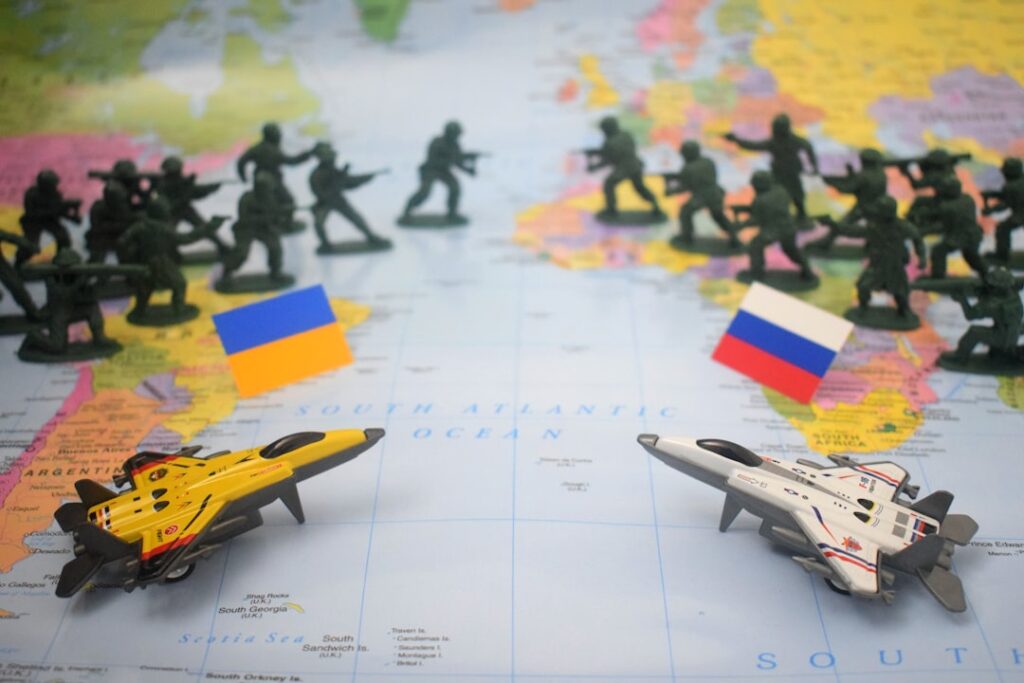
Image: GlobalBeat / 2026
Global security crisis: Red Sea attacks surge 400% as Yemen rebels target 73 ships
Muhammad Asghar | GlobalBeat
Iran-backed Houthi rebels launched 73 missile and drone attacks on commercial vessels in the Red Sea since November 2023, the Pentagon announced Tuesday.
The attacks forced 2,300 merchant ships to reroute around Africa, adding 14 days to Asia-Europe voyages and costing global trade $700 million monthly in extra fuel costs.
Maritime insurers now charge war risk premiums of 1% of cargo value for Red Sea transits, up from 0.05% before the crisis began.
Global shipping giant Maersk confirmed it diverted 54 vessels through the Cape of Good Hope after one of its ships, the Maersk Gibraltar, took fire December 14. “The Houthis are threatening international commerce at chokepoints where 30% of container traffic normally passes,” Maersk CEO Vincent Clerc told reporters in Copenhagen. The Danish company estimates each rerouted voyage burns an extra $1 million in bunker fuel.
U.S. naval forces responded with Operation Prosperity Guardian, deploying the USS Eisenhower carrier group and three destroyers to protect shipping lanes. The task force shot down 38 Houthi projectiles since December, according to Vice Admiral Brad Cooper, commander of U.S. 5th Fleet. “Every interception costs taxpayers $2.1 million for SM-2 missiles fired against $20,000 drones,” Cooper said.
Saudi Arabia’s foreign ministry warned the attacks could trigger a broader regional conflict. “We see this as Iran testing Western resolve through its Yemeni proxies,” Prince Faisal bin Farhan told state media. Riyadh fears escalation could reignite its own war with the Houthis, who launched 430 cross-border attacks on Saudi airports and oil facilities during 2019-2022.
Oil prices jumped 8% to $87 per barrel after the Houthis fired on two crude tankers December 16. Lloyd’s List Intelligence reports insurers now exclude Red Sea coverage from standard marine policies, forcing shippers to buy separate war risk insurance. “Cargoes worth $50 billion monthly face delayed deliveries or alternative routing,” maritime lawyer Sarah Westwood wrote in a client briefing.
China’s commerce ministry urged restraint, noting Beijing imports 45% of its crude oil through the Bab el-Mandeb strait. “Any prolonged disruption threatens our energy security and Belt and Road projects in the region,” spokesperson He Yong said. Chinese shipping lines China COSCO and OOCL suspended bookings to Red Sea ports until further notice.
Background
The Houthis, who control Yemen’s capital Sanaa since 2015, have targeted Saudi coalition shipping during Yemen’s civil war. Their drone and missile arsenal includes Iranian-supplied weapons capable of striking targets 1,500 kilometers away. The group claims its attacks support Palestinians in Gaza, though all targeted ships have commercial rather than Israeli connections.
Previous maritime security crises saw Somali piracy peak in 2011 with 237 attacks, prompting international naval patrols that gradually reduced incidents. The current situation differs because state-backed actors rather than criminal gangs threaten shipping. Insurance industry sources compare risks to the 1980s Tanker War, when Iraq and Iran attacked merchant vessels during their conflict.
What’s Next
The Houthis vowed to continue attacks until Israel halts its Gaza offensive, while U.S. officials hinted at possible strikes on Houthi missile sites. European Union navies will launch their own Red Sea patrol in February, deploying three frigates from Operation Atalanta that previously fought Somali pirates. Maritime lawyers predict insurance exclusions could become permanent if no ceasefire emerges.
The crisis tests whether international naval power can secure vital shipping lanes against asymmetric threats. Failed deterrence risks normalizing attacks on merchant vessels as a tool of geopolitical pressure, fundamentally undermining maritime law developed over centuries. Trade economists warn persistent disruption could add 1.2% to global inflation at a moment when central banks finally brought price rises under control.
Senior Correspondent, World & Geopolitics
Muhammad Asghar covers international affairs, conflict zones, and US foreign policy for GlobalBeat. He has reported on events across the Middle East, South Asia, and Eastern Europe, with a focus on the intersection of diplomacy and armed conflict. He has been writing wire-service journalism for over a decade.