Need a place to stay for the World Cup? Try a GA Tech dorm room
Georgia Tech opens dorm rooms as FIFA World Cup lodging for fans seeking budget accommodation in Atlanta.
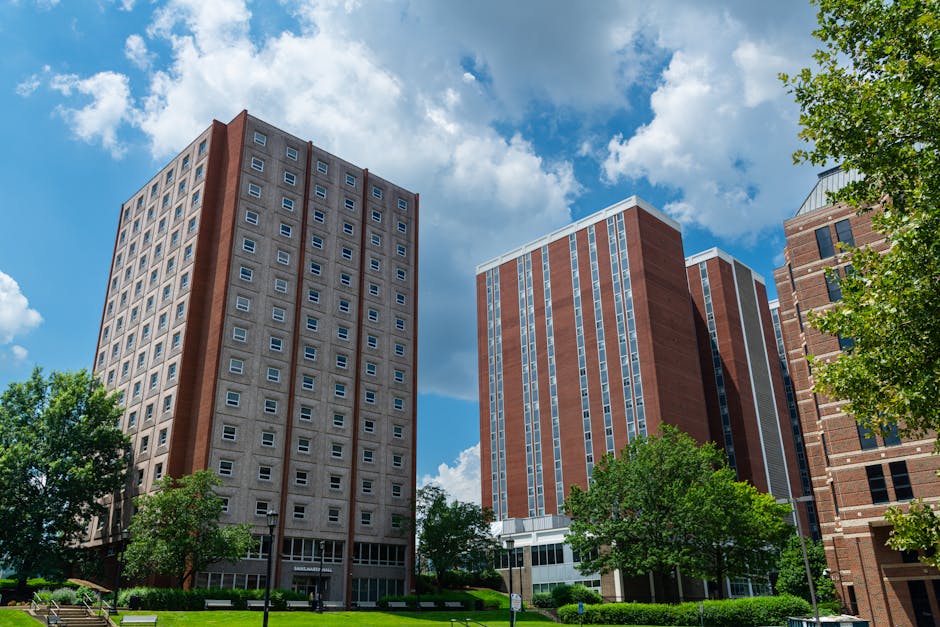
Image: GlobalBeat / 2026
Georgia Tech opens dorms for World Cup fans: $205 per night beats Atlanta hotel prices
Muhammad Asghar | GlobalBeat
Georgia Institute of Technology will rent 2,500 dorm rooms to soccer supporters during the 2026 World Cup, university president Ángel Cabrera announced Tuesday in Atlanta.
The downtown campus rooms list at $205 nightly, roughly half the current hotel average of $410 across the metropolitan area, according to city tourism data released this week.
Atlanta hosts 8 matches including a quarter-final at the $1.8 billion Mercedes-Benz Stadium, drawing an estimated 450,000 overseas visitors during the July tournament. City officials have warned for months that the existing 95,000 hotel rooms would not cover demand, pushing average rates above $600 on game nights.
“We have air-conditioned suites sitting empty in July,” Cabrera told reporters outside the freshman tower. “Students are gone. Teams need beds. This solves two problems.”
Each 2-bed suite normally houses 4 students. For the World Cup the configuration switches to 2 twin-xl beds, private bath, mini-fridge, and Wi-Fi. Linen service adds $15 per stay. Guests share common kitchens on each floor but must buy meal plans for campus cafeterias.
Reservations open May 1 through a university portal linked to FIFA’s official accommodation platform. Limit is 6 nights per booking; payment in full at reservation. Cabrera said Georgia Tech keeps the revenue, projected at $3.2 million after cleaning and security costs.
Other universities are watching. The University of California, Los Angeles has not decided whether to offer dorm rooms for its 5 World Cup games. The University of Miami ruled out the idea in February, citing summer-school conflicts.
Local hotels pushed back. The Atlanta Hotel Council called the plan “unfair subsidized competition” in a letter Monday to Mayor Andre Dickens. Council spokesperson Tricia Wells said members pay commercial property tax while the state university is exempt.
Dickens’ office replied that the city backs “every safe bed we can find.” A spokesperson said extra visitors generate $20 million daily in restaurant and transport spending.
Security logistics took shape quickly. Georgia Tech Police will run airport-style magnetometers at dorm entrances 24 hours. Only guests with key-cards and match tickets can enter; visitor passes end at midnight. Federal agents will screen every reservation against immigration watch-lists, according to a Department of Homeland Security briefing obtained by GlobalBeat.
Students expressed mixed feelings. Rising sophomore Maya Patel sub-leased her room for $600 to a friend of her parents. “I’m in India for internship anyway,” she said. “Might as well cash in.” Others worry about damage. Senior Chris Dorsey started an online petition titled “Don’t turn our dorms into hostels,” gathering 1,300 signatures by Tuesday evening.
Grounds staff have begun inventory. Workers tagged desks, chairs, and mattresses with QR codes to track losses. University policy holds guests liable for damage, but students fear they will foot the bill come August.
Transit links give Georgia Tech an edge. The campus sits on MARTA’s gold and red lines, 2 stops from the stadium. A special $15 match-day transit pass is bundled into each reservation. Ride-share drop-off zones will operate along Tech Parkway, though cab drivers complain the area is usually dead in summer.
FIFA’s accommodation chief Jean-Luc Langle declined to endorse the project formally but said any “certified safe beds” help the overall quota. Atlanta must provide 18,000 rooms for players, officials, and sponsors under tournament contracts.
Tourism board data show July hotel occupancy in Atlanta already at 92 percent on mock-booking websites, months before fixtures are announced. StubHub lists $350 as the cheapest group-stage ticket for games in the city.
Background
Atlanta last faced a housing crunch during the 1996 Olympics, when Georgia State University converted dorms into media villages and charged $120 per night. The experiment worked, though students returned to find missing fire extinguishers and cracked windows. The city went on to host Super Bowl XXXIV in 2000 and 2019, plus 4 NCAA men’s Final Fours, each stretching hotel capacity.
Universities nationwide lease empty rooms for conferences and summer camps, but rarely for mega-events. Arizona State rented space during the 2015 Super Bowl in nearby Glendale, yet revoked the offer after 2 nights when noise complaints surged. NCAA rules prohibit renting dorm rooms during March Madness to preserve “student-athlete environment,” a policy FIFA does not face.
Atlanta’s hotel stock grew 18 percent since 2015, boosted by 17 new properties near the BeltLine trail. Still, tourism officials predict a shortfall of at least 30,000 rooms across the 11 US host cities. Boston, Dallas, and Houston weigh similar dorm-use plans, according to a January memorandum from the US World Cup organizing committee.
What’s Next
Georgia Tech will stage a July 4 dry-run, housing volunteers for the Peachtree Road Race, to test key-card limits and cleaning schedules. If damage stays under $50,000, Cabrera pledged to expand inventory to 3,000 rooms. FIFA announces the full match schedule in February 2025; within hours resale sites expect dorm-blocked rooms to surface at double the official rate, testing university caps on transferability.
The $205 price holds only until December 31. After that, rates rise 15 percent every month until kickoff, mirroring the sliding scale hotels use. Cabrera admitted the tactic aims to nudge early bookings, giving facilities staff time to “plan for the circus.” Students who leave belongings in rooms must collect them by May 15; anything left behind will be boxed and stored off-site at $40 per item, another revenue stream the board of regents approved quietly last week.
Senior Correspondent, World & Geopolitics
Muhammad Asghar covers international affairs, conflict zones, and US foreign policy for GlobalBeat. He has reported on events across the Middle East, South Asia, and Eastern Europe, with a focus on the intersection of diplomacy and armed conflict. He has been writing wire-service journalism for over a decade.