Iran war live: IRGC captures 2 vessels in Strait of Hormuz amid US blockade
IRGC seizes two commercial vessels in Strait of Hormuz as U.S. naval blockade intensifies, raising regional tensions.
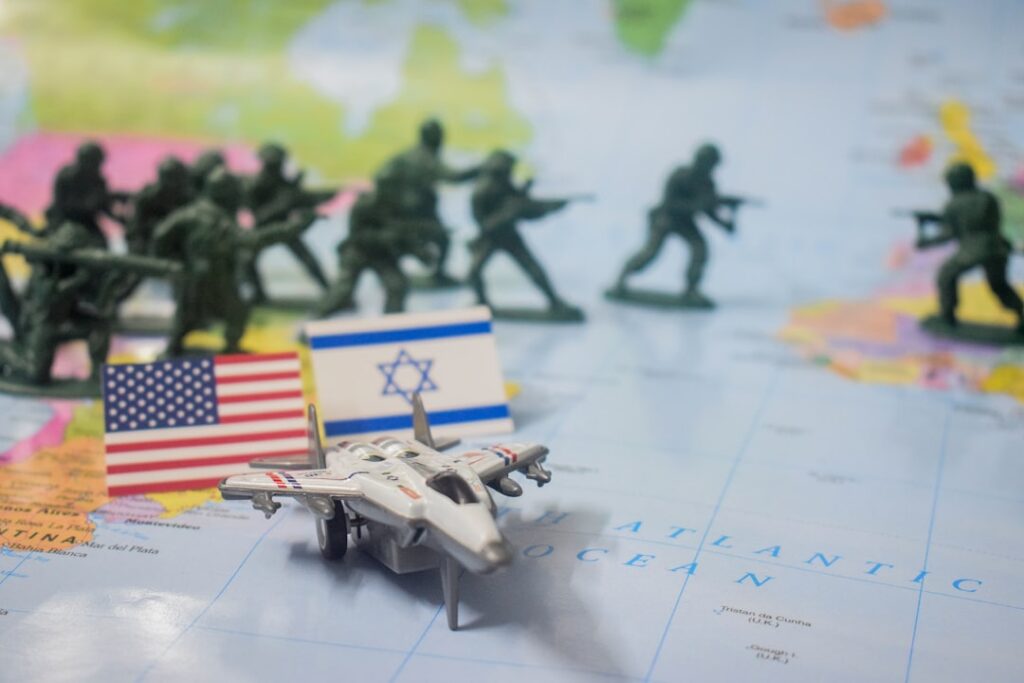
Image: GlobalBeat / 2026
Iran captures 2 vessels: IRGC seizes ships in Strait of Hormuz during US blockade
Muhammad Asghar | GlobalBeat
Iran’s Revolutionary Guards captured two commercial vessels in the Strait of Hormuz early Tuesday, hours after US warships began enforcing a maritime blockade against Iranian oil exports.
The IRGC navy boarded the Liberian-flagged tanker Richmond Voyager and Portuguese-flagged container ship Aries, Iran’s state broadcaster confirmed.
The twin seizures mark the first Iranian retaliation since US President Donald Trump ordered the naval blockade late Monday, targeting Tehran’s crude shipments after Iran’s nuclear announcement.
The Richmond Voyager carried 300,000 barrels of Kuwaiti crude bound for Houston, its operator Chevron told Reuters. The Aries was en route from Dubai to Rotterdam with electronics cargo. Both ships transmitted distress signals at 03:42 GMT, shipping monitors said.
IRGC speedboats surrounded the vessels near the strait’s narrowest point, 21 nautical miles off Iran’s Qeshm Island. Footage released by Iranian media showed troops rappelling onto decks from helicopters. No injuries were reported among the 46 crew members, the Guards said.
The US Navy’s Fifth Fleet dispatched destroyer USS Bainbridge to shadow the operation but maintained distance, Defense Secretary Pete Hegseth said. “We are not seeking escalation but will protect American interests,” he told reporters at the Pentagon.
Oil prices surged 6% to $84 per barrel on news of the seizures, extending Monday’s 4% jump after Trump’s blockade announcement. The strait handles 20% of global petroleum shipments.
Britain summoned Iran’s ambassador in London, calling the vessel captures “unacceptable piracy.” France demanded immediate release of the ships and their crews. China urged restraint, warning against “any actions that threaten freedom of navigation.”
The incidents follow Trump’s Monday evening directive to interdict vessels carrying Iranian crude. The president billed the measure as punishment for Tehran’s declaration that it had enriched uranium to 90% weapons-grade purity.
Iran’s Foreign Ministry dismissed the blockade as “economic terrorism.” Deputy Foreign Minister Abbas Araghchi said Iran would respond to “any hostile act against our lawful commerce.”
The Revolutionary Guards positioned fast attack craft along the strait after Trump’s order, satellite imagery showed. The force controls Iran’s naval operations in the Persian Gulf, separate from the regular navy.
Tuesday’s ship captures echo previous IRGC actions during tensions. The Guards seized British tanker Stena Impero in 2019 after Gibraltar detained an Iranian vessel. They also captured a South Korean ship in 2021 amid disputes over frozen Iranian funds.
Shipping insurers raised war risk premiums for vessels transiting the strait, adding thousands of dollars to passage costs. The Lloyd’s Market Association listed the waterway as high-risk, joining routes off Yemen and Somalia.
The International Maritime Organization expressed “grave concern” and urged dialogue. Secretary-General Arsenio Dominguez warned that commercial shipping must not become “collateral damage in political disputes.”
Regional airlines rerouted flights away from Iranian airspace. Emirates and Qatar Airways announced longer routes adding 45 minutes to Gulf crossings. The US Federal Aviation Administration barred American carriers from the area.
Background
The Strait of Hormuz, 39 kilometers wide at its narrowest, has long served as the world’s most critical oil chokepoint. Iran has threatened to close the waterway repeatedly since the 1980s, when its war with Iraq saw both nations attacking shipping.
Tensions escalated after Trump withdrew from the 2015 nuclear deal and reimposed sanctions. The previous administration’s “maximum pressure” campaign targeted Iranian oil exports, cutting them from 2.5 million to under 400,000 barrels daily.
Previous confrontations included Iran’s 2016 capture of 10 US sailors who strayed into territorial waters. The 2019 tanker attacks and drone downing brought America and Iran to the brink of direct conflict.
What’s Next
The US Navy considers escorting American-flagged vessels through the strait, officials said. European nations may revive a 2019 maritime protection force, while Iran holds the captured ships at Bandar Abbas port pending “legal proceedings,” the IRGC stated.
Markets will watch Wednesday’s OPEC meeting for supply responses. Analysts warn that prolonged disruption could push oil past $100, stoking inflation ahead of US midterm elections. Trump meets congressional leaders Tuesday evening to discuss next steps, the White House confirmed.
The vessel seizures mark an early test of Trump’s second-term Iran policy. His administration must weigh military escalation against the risk of wider regional conflict that could entangle American forces across the Middle East.
Senior Correspondent, World & Geopolitics
Muhammad Asghar covers international affairs, conflict zones, and US foreign policy for GlobalBeat. He has reported on events across the Middle East, South Asia, and Eastern Europe, with a focus on the intersection of diplomacy and armed conflict. He has been writing wire-service journalism for over a decade.