Live updates: Ceasefire deadline looms as Iran closes Strait of Hormuz a day after declaring it open
Iran re-closes Strait of Hormuz, breaching one-day reopening, as ceasefire deadline expires within hours.
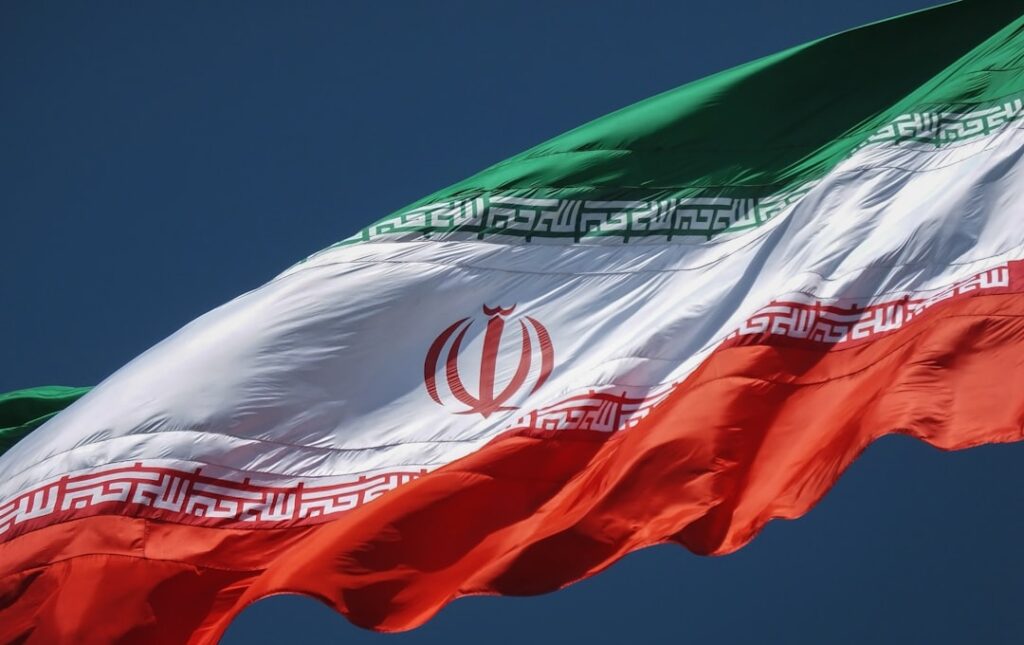
Image: GlobalBeat / 2026
Iran Strait Hormuz: Tehran reverses course, closes waterway hours before ceasefire expires
Iranian naval forces blocked all shipping through the Strait of Hormuz late Tuesday, reversing a 24-hour pledge to keep the chokepoint open as a fragile ceasefire ticked toward midnight.
The Revolutionary Guards seized a Marshall Islands-flagged tanker at 22:14 local time and parked three patrol boats across the 21-mile shipping lane, maritime monitors reported. The move came exactly one day after Tehran announced the strait would stay open “to prove our goodwill” during truce talks in Muscat.
About 21 million barrels of oil, roughly a fifth of global supply, pass through the narrow waterway each day. Benchmark Brent crude jumped $8.40 to $97.60 in after-hours trading on the Singapore exchange.
Washington had warned earlier that any closure would be treated as “a hostile act.” The Pentagon keeps a carrier strike group in the Gulf and has pre-positioned Air Force tankers at Al-Udeid, Qatar. A defense official told reporters the White House was “reviewing options” but declined to say whether convoys or escorts were being prepared.
The 72-hour ceasefire between Iran and Israel expires at 00:00 GMT Thursday. Diplomats in Oman said the ceasefire had held for 53 hours with only sporadic rocket fire reported from southern Lebanon. U.S. envoy Steve Witkoff flew back to Washington overnight, one participant said, after Iran demanded sanctions relief as a condition for extension.
The tanker, identified as the 274-meter Advantage Sweet, had loaded at Basra and was bound for Houston with 800,000 barrels of Kurdish crude. Refinitiv ship-tracking showed its transponder went dark at the strait’s tightest point. The Guards published infrared video of speedboats circling the vessel, claiming it “collided with an Iranian fishing dhow” and was being escorted to Bandar Abbas for investigation. The ship’s manager, Trafigura, told GlobalBeat it had “lost contact” and was working with authorities.
Shipping insurers immediately raised war-risk premiums to the highest level since 2019. Frontline, the world’s largest tanker operator, ordered its fleet to pause south of Fujairah. “Every day the strait stays shut adds roughly $4 billion to freight and crude costs,” analyst Amrita Sen of Energy Aspects wrote in a client note.
European governments scrambled for contingency routes. Saudi Arabia’s east-west pipeline can move 5 million barrels daily to Yanbu on the Red Sea, but traders said it would take at least a week to reroute Asian customers. Japan, the third-largest importer, held an emergency cabinet meeting; industry minister Ken Saito told reporters Tokyo had 230 days of strategic reserves and would “coordinate releases” with Washington if needed.
Israeli Prime Minister Benjamin Netanyahu convened his security cabinet within two hours of the seizure. A terse statement said the country “will not accept any disruption to freedom of navigation” but gave no details. Defense Minister Israel Katz, visiting the Golan, warned Hezbollah to “stay out of this round.” Rockets earlier landed near Kiryat Shmona, causing no injuries; the Shia movement denied firing.
Tehran offered no fresh explanation. Foreign Minister Abbas Araghchi tweeted that Iran “remains committed to securing the region” yet deleted the post minutes later. The Guards’ public channel on Telegram blamed “enemy piracy” for forcing the closure, without clarifying which nation it meant.
Oil traders described panic buying. “Phones are melting,” one Singapore broker said. Gasoline futures for June delivery surged 11 percent, and the White House announced 1800 EST briefings for airlines and freight groups. U.S. average retail prices, already at $3.67 a gallon, are set to breach $4 within days, analysts forecast.
Global carriers Maersk and MSC both diverted Asia-Europe sailings around the Cape of Good Hope, adding 12 days to voyages. The Shanghai Containerized Freight Index leapt 22 percent, the biggest one-day gain on record.
Background
The 39-kilometre Strait of Hormuz has been a flashpoint since the 1980s, when Iran and Iraq attacked hundreds of tankers in the “Tanker War.” Tehran has periodically threatened closure, most recently in 2019 after the U.S. exited the nuclear deal and re-imposed sanctions. Mines damaged six ships that year, and Iran seized the British-flagged Stena Impero for two months.
About 18 million barrels of crude plus 4 million barrels of refined products traverse the channel daily, according to the U.S. Energy Information Administration. The waterway is bordered by Iran to the north and Oman to the south; its deepest channel is only 24 metres, forcing massive supertankers to sail single file within an 8-mile corridor.
What’s Next
Envoys expect a final push in Muscat on Wednesday, hours before the ceasefire expires. Washington has floated a limited sanctions waiver covering humanitarian goods, while Iran demands written guarantees that no Israeli retaliation will follow. Shipping executives say even a partial reopening under naval escort could take 48 to 72 hours if mines need clearing.
[GLOBAL CONTEXT] Any prolonged outage threatens recession forecasts for energy-hungry Asia and could prod Washington toward military convoys last seen in the 1980s. Traders will watch the 1630 GMT U.S. weekly inventory report for the first sign of stockpile draws, while insurers meet in London to decide whether to widen the “listed area” where premiums treble.
Senior Correspondent, World & Geopolitics
Muhammad Asghar covers international affairs, conflict zones, and US foreign policy for GlobalBeat. He has reported on events across the Middle East, South Asia, and Eastern Europe, with a focus on the intersection of diplomacy and armed conflict. He has been writing wire-service journalism for over a decade.