Fate of critical ocean currents is in our hands | Letters
Scientists warn Atlantic Meridional Overturning Circulation slowdown is human-driven, urge immediate emissions cuts to avert irreversible climate disruption.
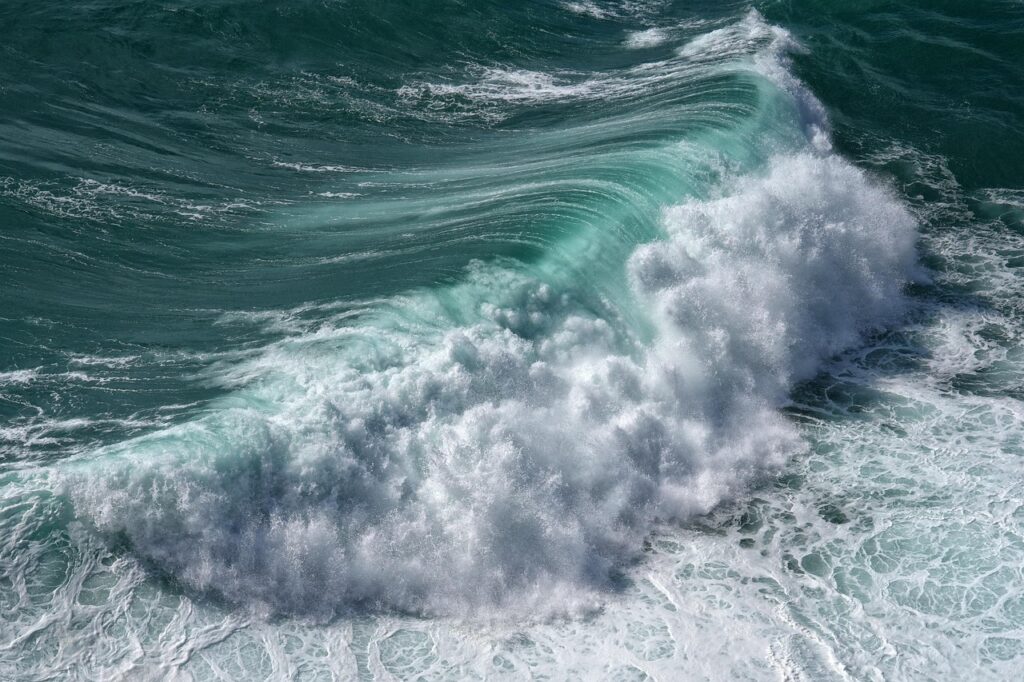
Image: GlobalBeat / 2026
Ocean currents collapse risk: Scientists warn AMOC shutdown could hit within decades
Muhammad Asghar | GlobalBeat
The Atlantic Meridional Overturning Circulation faces potential collapse this century as Greenland ice melt accelerates, climate researchers warned.
New analysis suggests the ocean current system could weaken substantially by 2050 if emissions continue rising.
The AMOC transports warm water northward and cold water southward across the Atlantic. Its shutdown would disrupt weather patterns across Europe, Africa and the Americas. Previous studies indicated the system has slowed 15% since the 1950s.
“The circulation is approaching a tipping point,” said Peter Ditlevsen, a climate physicist at the University of Copenhagen. His research published in Nature Communications indicates a 95% chance of collapse between 2025 and 2095 if current warming trends persist.
The potential collapse carries staggering implications. Northern Europe could see temperature drops of 5-15°C within decades. West African monsoons would shift, affecting rainfall for 100 million people. The Amazon rainforest might flip from tropical to savanna conditions.
Sea levels along the eastern United States would rise an additional 0.5 meters. Marine ecosystems from Newfoundland to Norway face fundamental disruption as nutrient flows change. Fish stocks supporting Atlantic fisheries worth $4 billion annually could collapse.
European climate scientists expressed alarm at the accelerating timeline. “We assumed we had more time,” said Stefan Rahmstorf of the Potsdam Institute for Climate Impact Research. His team previously estimated collapse risk after 2100 under moderate warming scenarios.
The British Meteorological Office confirmed AMOC monitoring shows continued weakening. Ocean temperature data reveals the circulation has reached its lowest point in 1,000 years of proxy records. Salt content in North Atlantic waters has dropped 8% since 1970.
Greenland’s ice sheet melt has quadrupled since 2002, dumping 250 billion tons of freshwater annually into the North Atlantic. This freshwater influx prevents cold, salty water from sinking, weakening the circulation engine that drives AMOC.
“We’re watching the system approach a threshold,” said Marilena Oltmanns, an oceanographer at the UK’s National Oceanography Centre. Her research demonstrates meltwater from Greenland has already altered deep-water formation patterns.
The changes appear irreversible on human timescales. Once AMOC crosses its tipping point, complete collapse could occur within 50-100 years. Recovery would take millennia even if emissions stopped immediately.
Economic impacts could exceed $100 trillion globally. Agricultural production across Europe would plummet. Major cities including London, Paris and Berlin would require massive infrastructure investments to adapt to harsher winters.
Colombia’s northern coast faces particular vulnerability. The region depends on Atlantic weather patterns for agriculture supporting 2 million people. “We’re seeing changes already,” said local farmer Jorge Martinez. “Rain comes at wrong times. Crops fail.”
South American climate researchers confirmed AMOC weakening has altered jet stream patterns. This affects everything from Argentine wheat harvests to Brazilian coffee production. Regional GDP could drop 10% by 2070.
Background
The Atlantic Meridional Overturning Circulation represents one of Earth’s largest climate systems. This massive ocean conveyor belt moves water at 18 million cubic meters per second, equal to 100 Amazon Rivers. Warm surface currents flow north while cold deep currents travel south.
Historical evidence proves AMOC has collapsed before. During the last Ice Age, meltwater from North American glaciers shut down the circulation 12,800 years ago. Temperatures plunged 10°C across Europe within decades. The cold period persisted 1,300 years.
Today’s accelerating ice loss mirrors those ancient conditions. Arctic warming has increased fourfold since 1971. Greenland alone contains enough ice to raise global sea levels 7.4 meters if fully melted. The process appears self-reinforcing as warming begets more warming.
What’s Next
The Intergovernmental Panel on Climate Change will release its assessment of AMOC stability in September 2027. Meanwhile, 15 nations have pledged expanded ocean monitoring. The European Space Agency launches three new satellites in 2028 specifically tracking Atlantic circulation patterns.
Immediate emission cuts remain the only proven method to preserve AMOC stability. Current pledges under the Paris Agreement would still allow 2.7°C warming, well above the 1.5°C threshold scientists identify as relatively safe for ocean circulation.
The European Union announced emergency funding for AMOC research totaling €500 million through 2030. Individual nations including Denmark, Iceland and Canada established early warning systems for circulation changes. The United States Congress debates similar measures but has not allocated funding.
Scientists stress every fraction of warming matters. Reducing emissions 50% by 2030 could extend AMOC stability by centuries. “The window hasn’t closed,” said Ditlevsen. “But it’s narrowing rapidly. What we do in the next decade determines the fate of this critical system.”
Senior Correspondent, World & Geopolitics
Muhammad Asghar covers international affairs, conflict zones, and US foreign policy for GlobalBeat. He has reported on events across the Middle East, South Asia, and Eastern Europe, with a focus on the intersection of diplomacy and armed conflict. He has been writing wire-service journalism for over a decade.