A List of Everyone Who Could Be in Trump’s ‘Garden of Heroes’
Draft executive order identifies 244 statues for Trump’s proposed national “Garden of Heroes,” from Jefferson to Kobe Bryant, NYT reports.
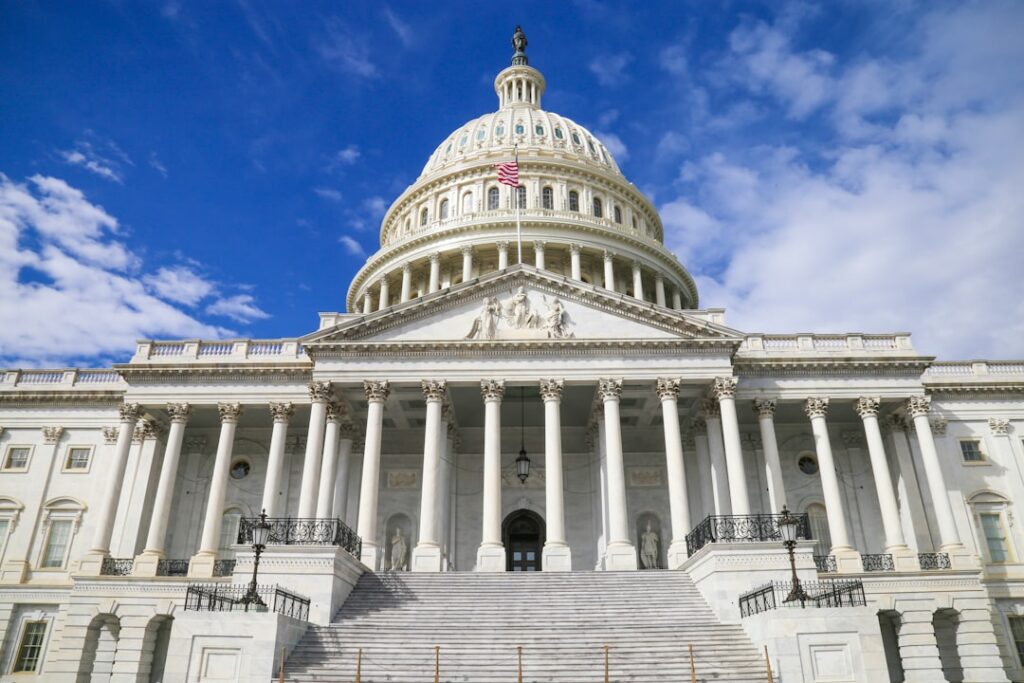
Image: GlobalBeat / 2026
Trump Garden Heroes: Proposed ‘Garden of Heroes’ lists 145 Americans from Henry Ford to Whitney Houston
BYLINE: Muhammad Asghar | GlobalBeat
President Donald Trump’s proposed National Garden of American Heroes would honor 145 Americans ranging from automotive pioneer Henry Ford to pop superstar Whitney Houston, according to a revised list released by the White House.
The garden, first proposed in 2020, gained new life when Trump signed an executive order on May 1 directing federal agencies to identify sites and funding mechanisms for the memorial. The order specifies statues of Christopher Columbus, Martin Luther King Jr., Benjamin Franklin and 142 other historical figures.
The project emerged from Trump’s response to nationwide protests that led to the removal of Confederate monuments. His original order condemned what it called “dangerous anti-American extremism” and proposed creating “a vast outdoor park that will feature the statues of the greatest Americans to ever live.”
The revised list mixes founding fathers with modern celebrities, civil rights icons with military leaders, and contains several controversial choices that could spark renewed debate. Ford’s inclusion stands out given his documented antisemitic views and praise of Nazi Germany, while Houston’s selection places a Black woman entertainer alongside traditionally honored political and military figures.
The White House said Trump personally reviewed and approved every name during a meeting with senior staff. “These are the greatest Americans who shaped our nation’s destiny,” Trump told reporters in the Oval Office while signing the order. “They represent every race, creed and color but share an unwavering commitment to American excellence.”
The list divides roughly into several categories. Political leaders dominate with 32 names including every president from Washington through Lincoln, plus 20th century figures like Ronald Reagan and Dwight Eisenhower. Civil rights activists claim 14 spots, from King and Rosa Parks to newer additions like gay rights icon Harvey Milk.
Military heroes account for 28 selections ranging from Revolutionary War generals to World War II figures. Scientists and inventors including Thomas Edison, the Wright brothers and NASA mathematician Katherine Johnson occupy 15 slots. Artists, writers and entertainers merged into one category contain 22 names, explaining Houston’s presence alongside Walt Disney and Mark Twain.
Conservative figures appear throughout. Phyllis Schlafly, who led opposition to the Equal Rights Amendment, shares space with Supreme Court Justice Antonin Scalia. Evangelist Billy Graham stands beside Catholic Bishop Fulton Sheen. Technology titans Steve Jobs and Walt Disney represent American innovation.
The list notably excludes several Americans commonly celebrated in history books. No living people appear, eliminating potential controversy around modern political figures. Native American representatives include only Sacagawea and the Navajo Code Talkers, despite centuries of indigenous history. Hispanic Americans received spotty recognition beyond labor leader Cesar Chavez and astronaut Ellen Ochoa.
Asian American representation appears limited to Hawaii’s Daniel Inouye and Vietnam Memorial designer Maya Lin. No Muslim Americans made the cut. The sole Jewish figure, entertainer Danny Thomas, converted to Catholicism later in life.
Site selection could prove challenging. The executive order suggests possibilities including federal land in North Dakota, where Trump held recent campaign rallies, or the St. Louis area, part of America’s heartland. Funding remains equally murky, with the order directing agencies to seek private donations while reviewing existing federal budgets for available money.
Democrats immediately criticized both the concept and specific choices. “This is taxpayer-funded propaganda masquerading as patriotism,” said Senate Minority Leader Chuck Schumer in a statement. Several progressive groups objected to Ford’s inclusion, citing his 1918 purchase of the Dearborn Independent newspaper which published antisemitic articles.
Conservative groups praised the initiative. “Young Americans need heroes to admire,” said Heritage Foundation president Kevin Roberts. “These statues will teach our children about the giants who built the greatest nation in history.”
Artistic questions also loom. The order requires each statue to be “lifelike or realistic” rather than abstract, potentially limiting creative interpretation. All statues must stand at least 10 feet tall and use “only the finest materials,” suggesting a budget that could reach hundreds of millions depending on location and artist selection.
Background
The National Garden of American Heroes originated during Trump’s first term amid nationwide protests following George Floyd’s murder. After demonstrators toppled statues of Confederate leaders and other historical figures, Trump positioned himself as defender of American heritage against what he called “left-wing cultural revolution.”
His initial executive order from July 2020 created a task force to plan the garden, listing 31 names and promising hundreds more. The project stalled after Joe Biden’s election, with federal agencies making no significant progress on site selection or funding mechanisms.
Trump revived the idea during his 2024 campaign, frequently mentioning it at rallies as part of his “America First Heritage agenda.” Supporters welcomed the proposal as a counter to what Trump called “woke mobs” destroying history, while critics dismissed it as an expensive distraction from policy issues.
The concept draws loosely from earlier American monument projects. Mount Rushmore features four presidents carved into stone, though it originated as a tourist attraction rather than federal initiative. The Hall of Fame for Great Americans, created in 1900 at New York University, honored 102 busts of notable figures before closing in 1979 due to declining interest.
What’s Next
Federal agencies have 60 days to identify potential sites and develop cost estimates, with a full report due to Trump by July 1. The Interior Department must also establish a non-profit foundation to accept private donations, potentially launching fundraising efforts before final site selection.
Congressional approval might prove unnecessary if agencies use existing federal land, though Democrats could attempt blocking appropriations. Several Republican governors have already offered state land, ensuring the project proceeds regardless of federal hurdles.
The finished garden would open by July 4, 2027, giving Trump a potential achievement to tout during the 2028 campaign if he seeks re-election. Construction timelines appear ambitious given typical federal project delays, though Trump could speed approvals through executive action.
Controversy seems guaranteed. Native American groups promise protests if the garden occupies indigenous land, while artists debate the order’s insistence on “realistic” depictions. Legal challenges could emerge over using federal funds for what critics call a political monument, particularly given Trump’s active involvement in selecting honorees.
Senior Correspondent, World & Geopolitics
Muhammad Asghar covers international affairs, conflict zones, and US foreign policy for GlobalBeat. He has reported on events across the Middle East, South Asia, and Eastern Europe, with a focus on the intersection of diplomacy and armed conflict. He has been writing wire-service journalism for over a decade.