Trump’s defeats expose the limits of the United States
Trump’s mounting legal setbacks amplify institutional checks that constrain even a former president, underscored by bipartisan verdicts.
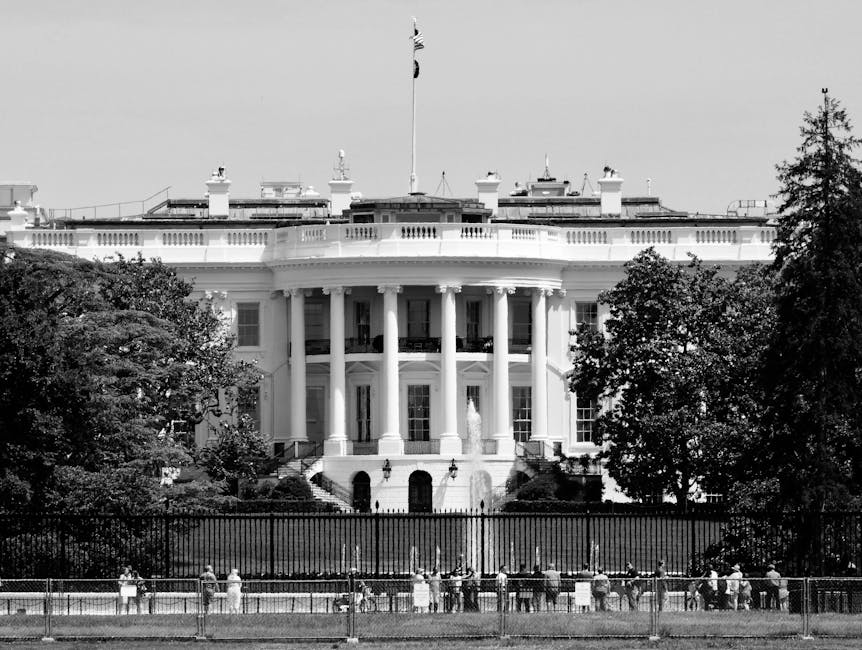
Image: GlobalBeat / 2026
Trump US defeats expose limits of presidential power after tariffs collapse
Muhammad Asghar | GlobalBeat
President Donald Trump suffered twin policy defeats Friday when Congress blocked his tariff package and courts halted immigration orders.
The Republican Senate rebellion killed his promised “liberation day” tariffs by a single vote.
The setbacks revealed how presidential authority stops cold when confronted by economic reality and institutional resistance. Trump’s first-year agenda has run into hard limits of constitutional checks and the global financial system’s backlash against protectionism.
Senator Rand Paul sealed the tariff defeat by joining Democrats and 3 Republicans to block a procedural motion. The vote fell 49-49, short of the 50 needed to advance legislation that would have imposed 20% duties on all imports.
“This isn’t just a loss, it’s a repudiation,” Paul told reporters outside the Senate chamber. “The president learned today that Congress still controls trade, no matter how many executive orders he signs.”
Hours earlier, a federal appeals court in San Francisco unanimously rejected Trump’s attempt to end birthright citizenship by executive action. The court cited the 14th Amendment in ruling that children born on US soil are citizens regardless of their parents’ status.
The twin defeats came during Trump’s 100-day sprint to reshape American governance. He vowed to impose universal tariffs during his campaign, calling them the “ring around the American worker” that would revive manufacturing.
Instead, the policies united establishment Republicans with Democrats and business groups who warned of economic catastrophe. The US Chamber of Commerce lobbied aggressively against the tariff bill, warning it would raise consumer prices by an average of $1,200 annually.
Major retailers and manufacturers flooded Capitol Hill with warnings of supply chain chaos. Walmart executives told senators that prices would spike immediately on clothing, electronics and automotive parts.
“They came in with a spreadsheet showing exactly what would cost more,” said Senator Lisa Murkowski, the Alaska Republican who voted against her party. “When a mother in Anchorage sees diapers jump $2 a package, that’s real.”
The birthright citizenship order generated fierce opposition from immigrant rights groups and state attorneys general. California Attorney General Rob Bonta argued the case alongside 18 other states who called the executive order unconstitutional.
The San Francisco-based 9th Circuit Court of Appeals agreed, writing that Trump’s order violated clear constitutional language. The court noted that birthright citizenship has existed since 1868 and would require a constitutional amendment to change.
Trump’s team suffered additional blows when Federal Reserve Chair Jerome Powell refused White House pressure to cut interest rates. The president has blamed Powell for recession fears that have tanked markets since early March.
Powell told lawmakers Thursday that trade wars threatened economic stability. The Fed chair testified that proposed tariffs would “certainly” increase inflation while doing little to boost domestic production.
Financial markets rallied on news of the tariff defeat. The Dow Jones Industrial Average jumped 847 points Friday afternoon as investors bet Congress would prevent a trade war. Bond yields fell as traders reduced bets on economic disruption.
Background
Trump’s authority over trade policy has steadily diminished since Congress ceded much of its constitutional power to the presidency during the Cold War. The Trade Expansion Act of 1962 gave presidents broad latitude to impose tariffs for national security, a provision Trump has used sparingly compared to his campaign promises.
His administration’s chaotic approach to trade contrasts sharply with Biden-era negotiations. Former President Joe Biden struck targeted deals with allies while maintaining pressure on China through multilateral efforts that avoided domestic political backlash.
The birthright citizenship fight revives battles from the 1990s when Republicans last attempted legislative changes. Those efforts failed after constitutional scholars warned that tampering with the 14th Amendment threatened civil rights protections for all Americans.
What’s Next
Trump must decide whether to negotiate a narrower tariff package or risk further Republican defections. Senate Majority Leader John Thune told reporters that any future trade legislation needed bipartisan support rather than party-line votes.
The birthright citizenship case heads to the Supreme Court, which will likely rule by summer on whether presidents can unilaterally redefine constitutional rights. Constitutional scholars expect another defeat given the court’s traditional deference to the 14th Amendment’s plain language.
Senior Correspondent, World & Geopolitics
Muhammad Asghar covers international affairs, conflict zones, and US foreign policy for GlobalBeat. He has reported on events across the Middle East, South Asia, and Eastern Europe, with a focus on the intersection of diplomacy and armed conflict. He has been writing wire-service journalism for over a decade.