Donald Trump says US to begin escorting ships through Strait of Hormuz
President Donald Trump says the United States will begin escorting ships through the Strait of Hormuz.
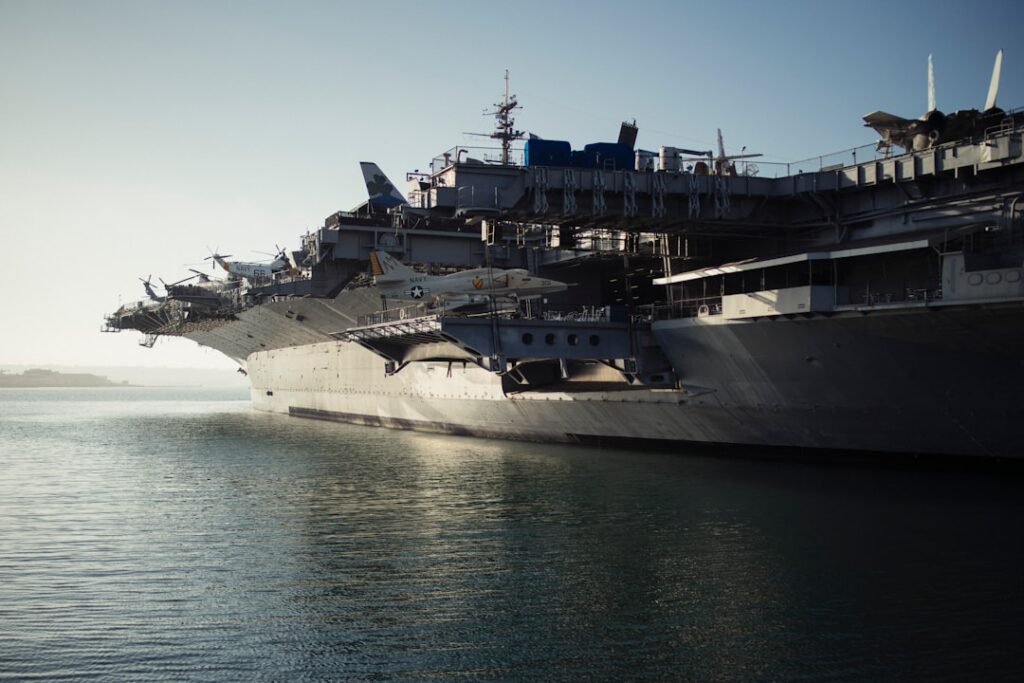
Image: GlobalBeat / 2026
Trump confirms US naval escorts for merchant ships in Strait of Hormuz
Muhammad Asghar | GlobalBeat
President Donald Trump announced Monday that U.S. warships will escort commercial vessels through the Strait of Hormuz after a spate of Iranian seizures.
The move reverses the prior administration’s hands-off posture and puts American sailors within firing distance of Tehran’s Revolutionary Guard speedboats.
The strait carries 20 percent of the world’s traded oil. Any sustained disruption sends crude prices spiraling and widens the Pentagon’s already stretched Middle East footprint.
Trump spoke to reporters aboard Air Force One after leaving a campaign stop in Ohio. “We’re going to be escorting our ships and allied ships, frankly, because they need help,” he said. The president added that naval commanders already had rules of engagement “to shoot if threatened.” No timeline or number of escort vessels was given.
Oil futures jumped 4.2 percent on the news, Brent trading above $91 a barrel. Tanker shares surged, with Frontline Ltd gaining 7 percent and Euronav up 5. Shipping insurers in London promptly widened war-risk premiums for vessels calling at Gulf ports by roughly 50 percent, brokers told GlobalBeat.
The Pentagon later confirmed that the aircraft carrier USS Theodore Roosevelt and its strike group, currently in the Gulf of Oman, will lead the operation. A defense official, speaking anonymously because details remain classified, said destroyers would pair with flagged merchantmen “on a request basis” and that the British Royal Navy had offered to coordinate. France and Germany have not yet committed frigates, citing domestic legal hurdles.
Tehran reacted swiftly. Foreign Minister Abbas Araghchi posted on X that “foreign military presence is the main source of insecurity” and vowed Iran would “not hesitate to defend its sovereignty.” The Revolutionary Guard’s naval commander, Rear Admiral Alireza Tangsiri, warned that “any mistake by American terrorist forces will meet a crushing response,” state television reported.
Republican lawmakers praised the shift. Senator Tom Cotton of Arkansas, a longtime Iran hawk, called the decision “long overdue” and urged Trump to pair it with “maximum sanctions enforcement on Iranian oil exports.” Democrats were cooler. Senator Chris Murphy of Connecticut warned that “putting U.S. sailors between Iranian patrol boats and commercial ships is a recipe for escalation.”
The last direct naval clash came in April when Revolutionary Guard commandos rappelled onto the Portuguese-flagged tanker MSC Aries near the strait. Tehran claimed the vessel violated maritime law; owner MSC later paid an undisclosed fine to free the crew. Washington responded then with diplomatic protests and additional sanctions on Iranian petrochemical exports but held fire on military escorts.
Previous escort missions have carried risks. In 1987, during the Iran-Iraq war, U.S. naval forces protected Kuwaiti tankers re-flagged under the Stars and Stripes. The operation, dubbed Earnest Will, lasted 14 months and saw the USS Stark hit by an Iraqi missile, killing 37 sailors, and later the USS Samuel B. Roberts nearly sunk by an Iranian mine. Those incidents pushed Washington deeper into the conflict.
Commercial captains welcomed relief but worried about becoming targets. “If the Navy rides shotgun, great, but we still have to transit at night through choke points where IRGC boats lurk,” said an Athens-based tanker operator who asked not to be named because of ongoing contracts. Industry groups estimate roughly 60 large merchantmen, from crude carriers to container ships, traverse the strait daily.
European diplomats urged restraint. EU foreign policy spokesman Peter Stano said Brussels “supports freedom of navigation” but warned that “military posturing must not trigger miscalculation.” China, the world’s largest crude importer, called for “dialogue to ensure energy security,” foreign ministry spokeswoman Mao Ning told reporters in Beijing.
Background
The 21-mile-wide Strait of Hormuz separates Iran from Oman and links the Persian Gulf to the Gulf of Oman and Arabian Sea. About 18.5 million barrels of oil and 3.6 billion cubic feet of liquefied natural gas pass through each day, according to the U.S. Energy Information Administration. Iranian territory projects to within 12 nautical miles of the opposing Omani shore, giving Tehran legal claim to parts of the transit route under the UN Convention on the Law of the Sea.
Tensions have simmered since 2018 when Trump withdrew the United States from the 2015 nuclear deal and re-imposed oil export sanctions. The Revolutionary Guard has since harassed or seized more than 20 commercial vessels, often citing violations of Iranian waters or smuggling. Washington blames Tehran for a series of limpet-mine attacks in 2019 and the downing of an unmanned U.S. surveillance drone, nearly prompting air strikes that Trump says he called off at the last minute.
What’s Next
The Roosevelt strike group is expected to begin paired transits this week, shipping agents said. Tanker owners must file passage requests 24 hours in advance through naval liaisons in Bahrain. Analysts expect Iran to test the new arrangement with aggressive shadowing or radio warnings, raising the odds of a skirmish that could draw in regional powers and push oil past the $100 mark traders have feared since April.
The escort decision places U.S. and Iranian forces in close proximity at a moment when nuclear talks remain frozen and Israeli threats against Tehran’s atomic sites loom. One misread radar blip or warning shot could ignite a broader confrontation neither side claims to want yet both appear prepared to fight.
Senior Correspondent, World & Geopolitics
Muhammad Asghar covers international affairs, conflict zones, and US foreign policy for GlobalBeat. He has reported on events across the Middle East, South Asia, and Eastern Europe, with a focus on the intersection of diplomacy and armed conflict. He has been writing wire-service journalism for over a decade.