Live updates: Trump to pause US effort to guide ships through Strait of Hormuz while blockade remains
President Trump halts U.S. naval escorts in the Strait of Hormuz amid ongoing regional blockade, Pentagon confirms.
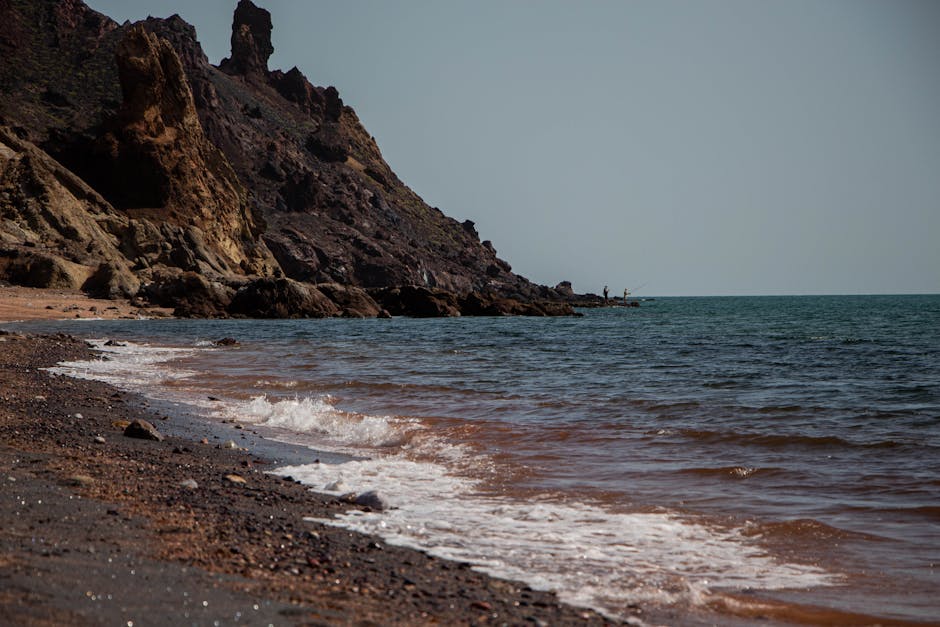
Image: GlobalBeat / 2026
Trump Strait Hormuz blockade: US halts ship escorts after Iranian mining, 2 tankers damaged
Muhammad Asghar | GlobalBeat
President Donald Trump ordered the U.S. Navy to suspend escort operations for commercial vessels in the Strait of Hormuz on Tuesday.
The pause follows the discovery of fresh Iranian minefields and damage to two oil tankers in the narrow waterway. No American warships were hit.
The decision leaves dozens of cargo and energy carriers to navigate the 21-mile-wide chokepoint without military protection for the first time since Washington launched its guided-transit program three weeks ago. Tehran has maintained what U.S. officials call a “rolling blockade” of the strait since April 28, using sea mines, fast-attack boats and GPS-jamming to disrupt traffic.
Defense Secretary Pete Hegseth said the suspension is temporary while planners “recalibrate” routes and rules of engagement. “We are not leaving the region. We are adjusting to new threats,” Hegseth told reporters at the Pentagon.
The move came hours after the Marshall Islands-flagged tanker Heritage and the Bahamian-flagged Amalia reported explosions near their sterns. Both vessels were empty, inbound for Saudi and Kuwaiti loading terminals. Commercial satellite images showed fresh minefields roughly 2 miles off Omani territorial waters, a lane American destroyers had used for southbound convoys.
Shipping insurers immediately raised war-risk premiums for Hormuz transits by 18 percent, according to the London-based Baltic Exchange. Benchmark Brent crude jumped $4.42 to $91.70 a barrel, its highest level since October.
Rear Adm. Steve Najarian, spokesman for U.S. Naval Forces Central Command, said no sailors were wounded and no American ships took fire. He declined to say how long the pause would last or whether allied navies would fill the gap. “We retain the right to act in self-defense and to secure freedom of navigation,” Najarian said.
Britain, France and Germany had each contributed one frigate to the escort rotation. A French defence ministry official, speaking on customary anonymity, told GlobalBeat that Paris would also “suspend convoy missions pending a joint review.” The official said European capitals had not been warned in advance of Washington’s decision.
Iran’s Revolutionary Guards issued a brief statement praising “the resistance of regional nations” but did not claim responsibility for the new mines. Foreign Minister Abbas Araghchi warned on state television that “any foreign military presence in the Persian Gulf will face a decisive response.”
The strait carries 20 percent of globally traded oil. Since the blockade began, daily traffic has fallen from 19 large tankers to 6, according to tracking data from Vortexa Analytics. Kuwait has cut its crude output by 500,000 barrels per day for lack of export routes, while Qatar’s liquefied natural gas terminals are operating at half capacity.
Asian buyers are scrambling for replacements. South Korea’s trade ministry said Seoul would release 3 million barrels from strategic stocks. Japan has asked Washington for permission to purchase from the U.S. reserve. India, the world’s third-largest oil importer, dispatched its navy chief to Riyadh and Abu Dhabi on Monday to seek overland supply deals.
The Pentagon launched the escort program on April 29 after Iran mined an earlier stretch of the strait and seized the Greek tanker Delta Poseidon. U.S. officials said the goal was to create a “safe corridor,” but Iranian forces simply shifted mines farther south. “We’re chasing a moving target,” a Navy minesweeping officer told GlobalBeat on condition of anonymity because he was not authorized to speak.
Congressional reaction split along party lines. Sen. Tom Cotton, Republican of Arkansas, urged Trump to “hit Iranian naval bases now.” Sen. Jack Reed, the top Democrat on the Armed Services Committee, warned that “escalation without diplomacy risks a wider war America cannot afford.” The White House has not disclosed what diplomatic channels, if any, remain open.
Shipping industry groups urged a rapid restart of escorts. “Every day the strait is unsafe adds $200 million to global freight costs,” said Guy Platten, secretary-general of the International Chamber of Shipping. The bloc represents 80 percent of the world merchant fleet.
Background
The United States has pledged to keep the Strait of Hormuz open since the 1980s, when the so-called Tanker War between Iran and Iraq threatened energy flows. Washington re-activated convoy tactics in 2019 after a series of limpet-mine attacks it blamed on Tehran, but those missions lasted only two months and were limited to U.S.-flagged vessels.
Trump has taken a harder line than his predecessor, Joe Biden, vowing in January to “sink any Iranian ship that closes international waters.” Yet the administration also removed one carrier group from the Gulf in March as part of a global force rebalancing, leaving planners with fewer assets.
What’s Next
The Pentagon said Central Command will present Trump with revised escort options within 72 hours, including heavier minesweeping cover and possible air patrols. Shipping sources expect insurers to demand naval protection before rates stabilize, meaning tanker owners may idle fleets until convoys resume or an alternative route is found.
The episode sharpens the 2026 mid-term debate over U.S. military posture. If the pause stretches past a week, analysts say global oil inventories could fall by 30 million barrels, pushing retail gasoline above $4 a gallon nationwide for the first time since 2023.
Senior Correspondent, World & Geopolitics
Muhammad Asghar covers international affairs, conflict zones, and US foreign policy for GlobalBeat. He has reported on events across the Middle East, South Asia, and Eastern Europe, with a focus on the intersection of diplomacy and armed conflict. He has been writing wire-service journalism for over a decade.