Cargo ship near Strait of Hormuz reports attack as Iran makes new peace proposal
Ship reports attack off Irans coast as Tehran offers UN-backed regional peace plan.
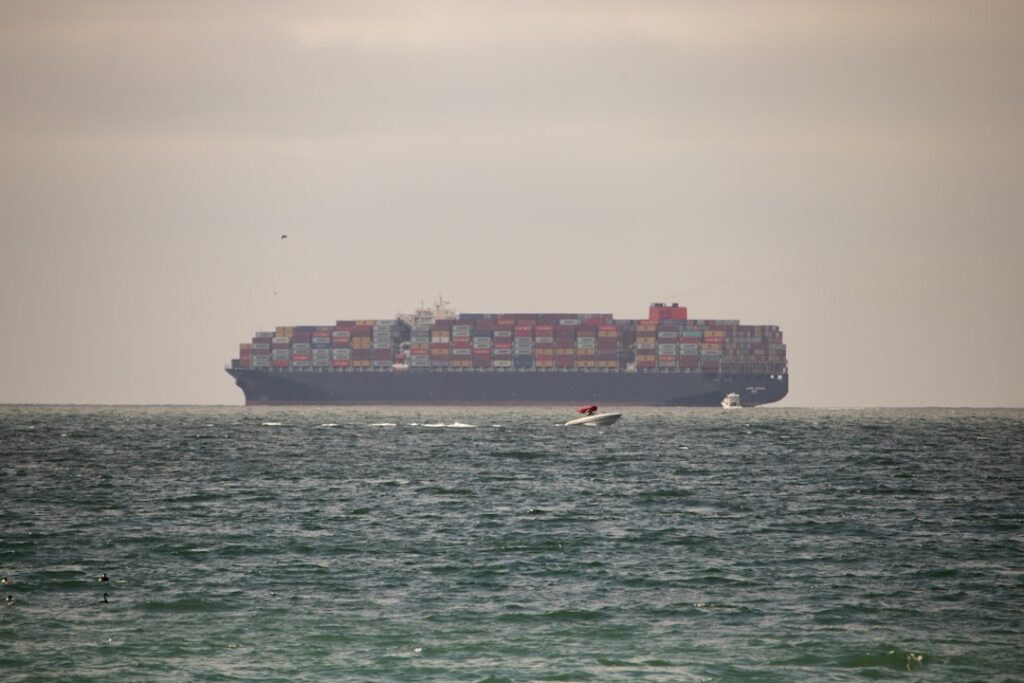
Image: GlobalBeat / 2026
Strait of Hormuz attack: Cargo ship hit by projectile hours after Iran offers Gulf ceasefire
Muhammad Asghar | GlobalBeat
A Marshall Islands-flagged bulk carrier reported a projectile strike near its stern while transiting the Strait of Hormuz on Thursday, the British navy’s maritime security office said.
The incident occurred 12 nautical miles off Iran’s southern coast, the same day Tehran circulated a written proposal to Gulf states calling for a temporary cessation of hostilities.
Oil prices jumped 3.4 percent within 30 minutes of the UK Maritime Trade Operations office flagging the attack, underscoring how a single ship boarding or missile strike can rattle global energy markets. The channel handles 21 percent of the world’s seaborne petroleum.
The ship, identified by tracking service MarineTraffic as the 183-meter coal carrier GCC Grace, made an abrupt 90-degree turn after the 0937 GMT distress call and steamed at full speed toward Omani waters, satellite data showed. Operators at Dubai-based Gulf Cement Company, the vessel’s charterer, did not respond to repeated calls seeking confirmation of damage or injuries.
Cmdr. Timothy Hawkins, spokesman for the U.S. Navy’s Fifth Fleet in Bahrain, told reporters an investigation had begun but declined to describe the projectile type or assign blame. Iranian state media carried no mention of the episode early Friday.
Three security consultants who reviewed Automatic Identification System plots said the ship’s track resembled maneuvers made by other commercial vessels after coming under small-arms or rocket fire in the same area last winter. “Deviation plus speed surge is textbook evasive action,” one London-based analyst said.
Thursday’s strike message landed hours after Iran’s Foreign Ministry handed diplomats in Muscat a three-page proposal that, according to a draft seen by Reuters, offered a six-month moratorium on “offensive military activity” in Gulf waters in exchange for partial sanctions relief. Oman’s foreign ministry confirmed receipt of the document but refused to discuss contents.
Washington reacted coolly. “We don’t barter safety for sanctions,” State Department spokesman Tony Lee said, adding that any cease-fire must include “verifiable limits on Iran’s missile and drone programs.” European Union officials privately called the plan “an opening bid worth exploring,” a Brussels-based diplomat told GlobalBeat.
The timing startled traders. Brent crude leapt from $79.12 to $81.87 a barrel before paring gains to close at $80.64, its highest finish since late April. Shipping insurers added a temporary $180,000 premium for tankers calling at Kuwait or Iraq, two broker notes showed.
Traffic through Hormuz has tightened this week. At least five liquefied natural gas tankers delayed entry into the Gulf “awaiting clarity,” shipbroker Braemar reported. The Panama-flagged tanker As Olivia U-turned outside the strait Thursday evening and anchored off Fujairah, port agents said.
Analysts warned the uptick could persist. “Every incident embeds higher risk into freight and cargo insurance,” said Caroline Bain, commodities chief at Capital Economics. “Consumers won’t feel it immediately, but another month of this and gasoline gets pricier worldwide.”
Israeli officials vowed to keep targeting Iranian-linked ships. “We know who arms the Houthis and who smuggles oil to Syria,” an Israeli defense source told Army Radio, referencing previous shadow attacks. Tel Aviv has neither confirmed nor denied involvement in a spate of vessel explosions since 2022.
Iranian lawmakers urged retaliation if foreign fingerprints emerge. “Our patience has limits,” hard-line MP Mojtaba Zolnouri told state TV. The Revolutionary Guards navy separately announced a two-day drone exercise starting Saturday in the southern Gulf.
Background
More than 3,000 vessels traverse the 21-mile-wide Strait of Hormuz each month, carrying crude, LNG, chemicals and food to Asia, Europe and North America. The waterway’s depth and shipping lanes make it impossible to bypass, giving Iran leverage that Tehran has periodically brandished since the 1980s “Tanker War.”
Tensions flared anew after President Donald Trump re-imposed sweeping sanctions on Iranian oil exports in 2018. Tehran responded by seizing or harassing at least two dozen foreign ships between 2019 and 2021, then reducing but never fully halting such operations amid stalled nuclear talks.
Last winter a series of limpet-mine explosions damaged tankers near Oman; the United States and Israel blamed Iran, which denied involvement. Insurance rates tripled for three weeks before falling back, costing shippers an estimated $700 million in extra premiums, according to the International Group of P&I Clubs.
What’s Next
Oman is expected to shuttle between Washington and Tehran next week, seeking agreement on observation mechanisms that could keep both merchant traffic and Iranian crude exports flowing. If mediation fails, traders say cargo owners will accelerate rerouting around the Cape of Good Hope, adding 10-14 days to Asia-Europe sail times.
Senior Correspondent, World & Geopolitics
Muhammad Asghar covers international affairs, conflict zones, and US foreign policy for GlobalBeat. He has reported on events across the Middle East, South Asia, and Eastern Europe, with a focus on the intersection of diplomacy and armed conflict. He has been writing wire-service journalism for over a decade.