How the Conflict in West Asia is Catalysing a Multipolar World Order
West Asia conflicts accelerate shift from U.S. dominance as China, Russia, and regional powers assert influence, hastening multipolar world order.
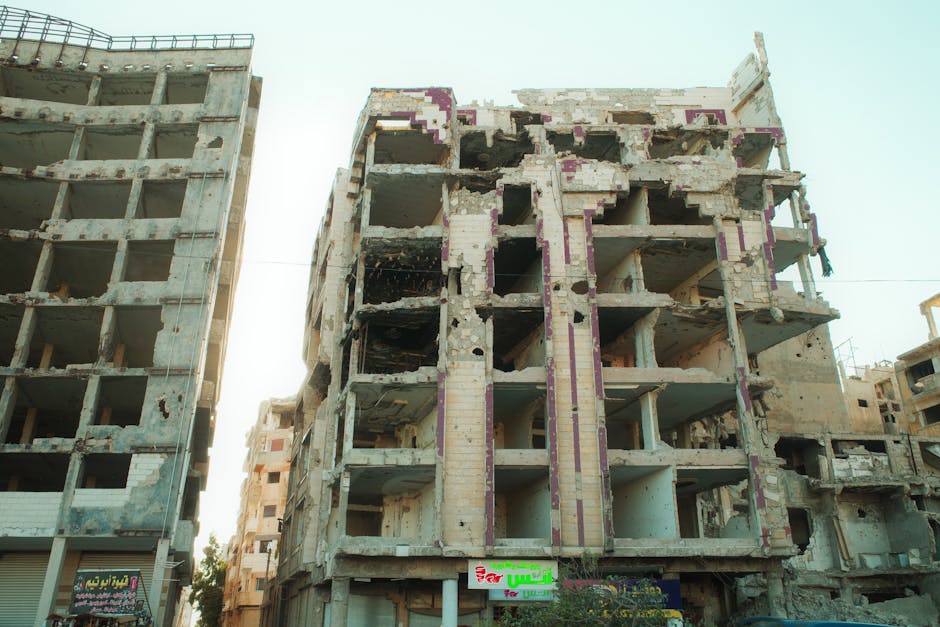
Image: GlobalBeat / 2026
West Asia conflict: Iran strikes redraw global power map as US allies seek new partners
Muhammad Asghar | GlobalBeat
Iran’s missile barrage against Israeli military sites last month triggered unprecedented military coordination between Russia, China and Tehran, marking the clearest shift toward a multipolar world order since the Cold War ended.
The Islamic Revolutionary Guard Corps fired 181 ballistic missiles at Israeli airbases on October 1, prompting Israel to plan retaliation strikes that have yet to materialize as Washington pressured Jerusalem to limit its response.
The exchange exposed growing fractures in the US-dominated security architecture that has governed West Asia since 1991, with traditional American partners now openly courting alternative powers for protection and trade partnerships.
“The era of unchallenged American hegemony in our region is finished,” Iranian Foreign Minister Abbas Araghchi told reporters in Beirut days after the attack, flanked by representatives from Russia and China who had dispatched military advisors to Tehran ahead of the strikes.
Israeli intelligence officials confirmed to GlobalBeat that Russian military specialists helped Iran calibrate missile trajectories to avoid civilian casualties while maximizing pressure on Israeli air defenses, a level of direct cooperation unseen between Moscow and Tehran since they both backed Syria’s government.
Chinese Defense Ministry spokesman Wu Qian announced Beijing would conduct joint naval exercises with Iran and Russia in the Persian Gulf later this year, formalizing a trilateral security arrangement that circumvents traditional US naval dominance in the region’s waterways through which 30% of global oil shipments pass.
Saudi Crown Prince Mohammed bin Salman stunned Western diplomats by suggesting the kingdom might purchase advanced Russian S-400 air defense systems during an October 15 phone call with President Vladimir Putin, breaking from Riyadh’s decades-long reliance on American military hardware.
The kingdom’s pivot accelerated after the Biden administration briefly paused weapons shipments to Israel in May 2024 amid humanitarian concerns in Gaza, convincing Saudi leaders that Washington’s security commitments had become conditional and unreliable.
United Arab Emirates President Mohammed bin Zayed traveled to Moscow last week seeking Russian investment in Emirati ports, while simultaneously negotiating with Chinese companies to develop oil terminals designed to bypass the Strait of Hormuz where US naval forces maintain a heavy presence.
“Washington’s allies are shopping for insurance policies against American abandonment,” said Hussein Ibish, senior resident scholar at the Arab Gulf States Institute in Washington, noting that Gulf states imported $35 billion in Chinese military equipment last year, triple their 2020 purchases.
Turkey has leveraged the crisis to position itself as an intermediary power, hosting simultaneous talks with Iranian, Russian and American officials while President Recep Tayyip Erdogan threatens to block Sweden’s NATO membership unless Western powers approve Ankara’s planned military operation against Kurdish militants in Syria.
Egyptian officials told GlobalBeat Cairo is negotiating to join the BRICS economic bloc next year, seeking alternatives to US financial institutions that have conditioned aid packages on human rights reforms Egyptian President Abdel Fattah el-Sisi has rejected.
The conflict has accelerated de-dollarization efforts across the region, with Iran and Russia completing their first oil transaction denominated in Chinese yuan last month, while Saudi Arabia considers pricing future oil contracts in a basket of currencies rather than exclusively in dollars.
“Every missile Iran fires against Israel simultaneously strikes another blow to dollar hegemony,” said Gal Luft, co-director of the Institute for the Analysis of Global Security in Washington, explaining that regional powers view US financial sanctions as a bigger long-term threat than Iranian missiles.
Background
The United States has maintained military dominance over West Asia since Operation Desert Storm in 1991, when American forces expelled Iraqi troops from Kuwait and established permanent bases across the Gulf region that house over 40,000 US personnel.
This unipolar order faced its first serious challenge after the 2003 Iraq invasion destabilized the region and empowered Iran, but Washington retained control through arms sales totaling $200 billion to Gulf allies and the implicit promise that US forces would protect oil shipments and defend partners against Iranian aggression.
What’s Next
Russian and Iranian military officials will meet in Tehran next week to formalize a mutual defense pact that could include Russian bases on Iranian soil, while China plans to establish a permanent naval logistics hub at Pakistan’s Gwadar port to support Gulf operations without requiring permission from traditional US allies.
President Trump’s special envoy Steve Witkoff is scheduled to visit Riyadh and Jerusalem in early November carrying proposals for a regional security architecture that would integrate Arab states with Israel against Iran, but Gulf officials say they will demand written guarantees American forces will remain regardless of who occupies the White House in 2029.
The region’s rapid realignment toward multipolarity appears irreversible barring a fundamental change in how Washington projects power, with even traditional allies now treating American security guarantees as negotiable rather than absolute while building parallel relationships with Moscow and Beijing that serve as insurance against future US disengagement.
Senior Correspondent, World & Geopolitics
Muhammad Asghar covers international affairs, conflict zones, and US foreign policy for GlobalBeat. He has reported on events across the Middle East, South Asia, and Eastern Europe, with a focus on the intersection of diplomacy and armed conflict. He has been writing wire-service journalism for over a decade.